

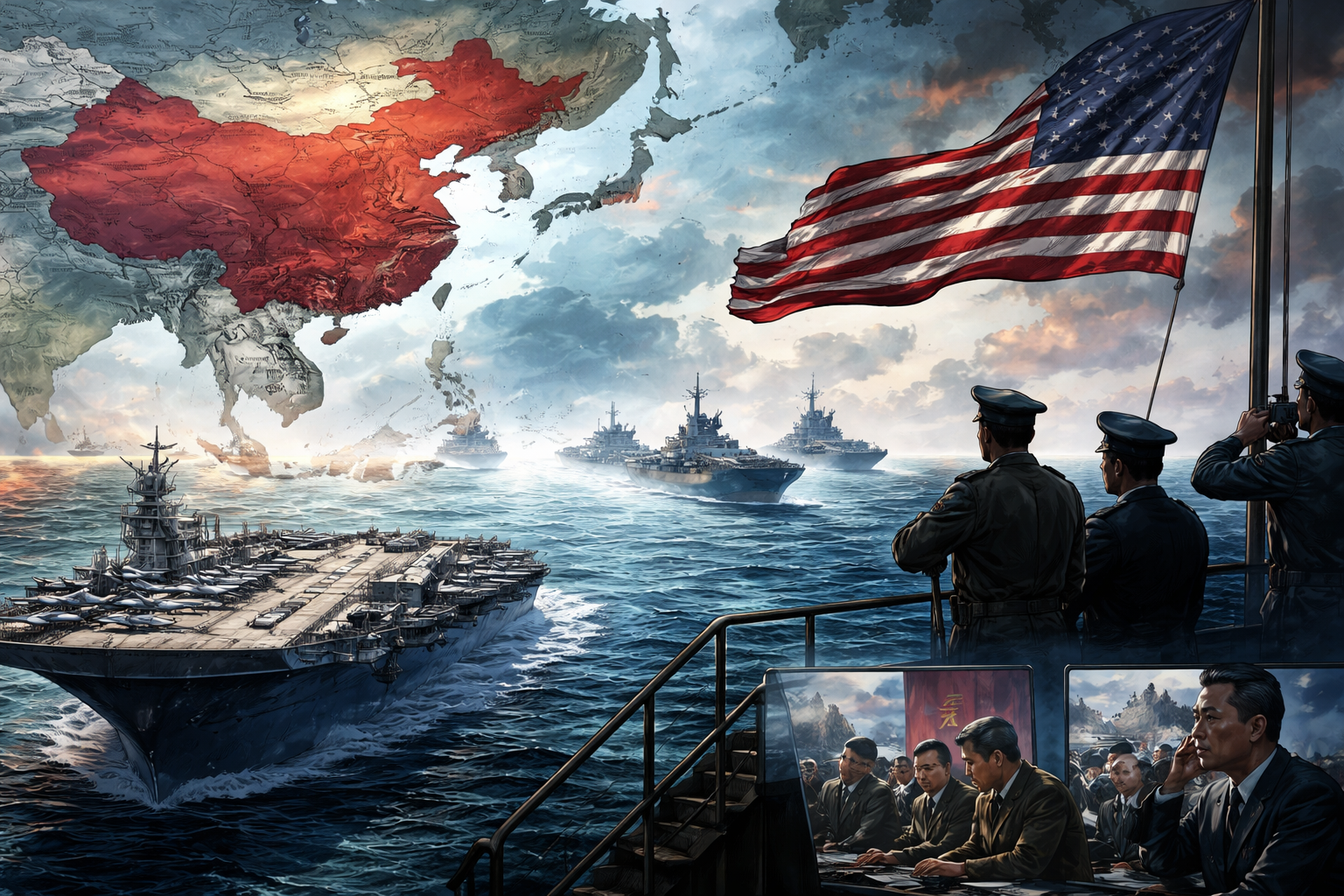
A recent study by a US foreign policy think tank calls for a significant US military withdrawal from the western Pacific, sparking deep concerns among longstanding allies in the Indo-Pacific region. The report, produced by Jennifer Kavanagh of the Defense Priorities Foundation, advises narrowing US defense commitments by ending mutual defense alliances with South Korea, Japan, Australia, and the Philippines.
Kavanagh argues the United States should prioritize homeland defense and securing access to vital economic markets and trade routes. She proposes pulling back US forces from the “first island chain,” which stretches from southern Japan through Taiwan to the Philippines, and repositioning them to the “second island chain,” farther east in the central Pacific.
Strategic Shift and Its Regional Implications
The defense repositioning aims to place US forces in more defensible locations such as eastern Japan, the Northern Marianas Islands, Guam, Palau, and Papua New Guinea. The report suggests that this could reduce the risk of a devastating conflict with China.
This shift would notably affect Taiwan, which China considers a renegade province. Kavanagh’s report points out the absence of a formal US defense commitment to Taiwan and recommends moving from strategic ambiguity to a clear policy of non-intervention in the event of a military conflict involving Taiwan.
Allied Reactions and Regional Security Concerns
Although no formal comments have been issued by the countries named in the report, analysts warn its conclusions could be met with shock. Critics argue the report’s approach is highly accommodating to China and disregards the complexity of maintaining regional stability.
Security experts caution that withdrawal of US support might embolden China to seize Taiwan and pressure North Korea to escalate demands on South Korea. They also warn it could trigger increased military spending across the region and undermine nuclear non-proliferation efforts.
Criticism of the Report’s Premise
Academics and regional specialists have described the study as a reflection of isolationist sentiments that prioritize US homeland defense at the expense of broader international cooperation. Some argue the plan overlooks the consequences of ceding regional influence to China and Russia, including the erosion of rules, norms, and law enforcement in the Indo-Pacific.
Critics warn that withdrawing from key security alliances could jeopardize trade relationships and diminish US influence over critical transnational issues such as combating piracy, cybercrime, and international sanctions enforcement.
Context of US Foreign Policy Debate
The Defense Priorities Foundation is known for isolationist positions and reportedly has connections with senior decision-makers in the US administration. While there is no indication that the White House will adopt the report’s recommendations, the study aligns with certain transactional and restrained policy views that have surfaced in US leadership discourse.
Such proposals come amid broader regional worries about the reliability of US security guarantees, especially related to tensions over Taiwan and the South China Sea disputes.