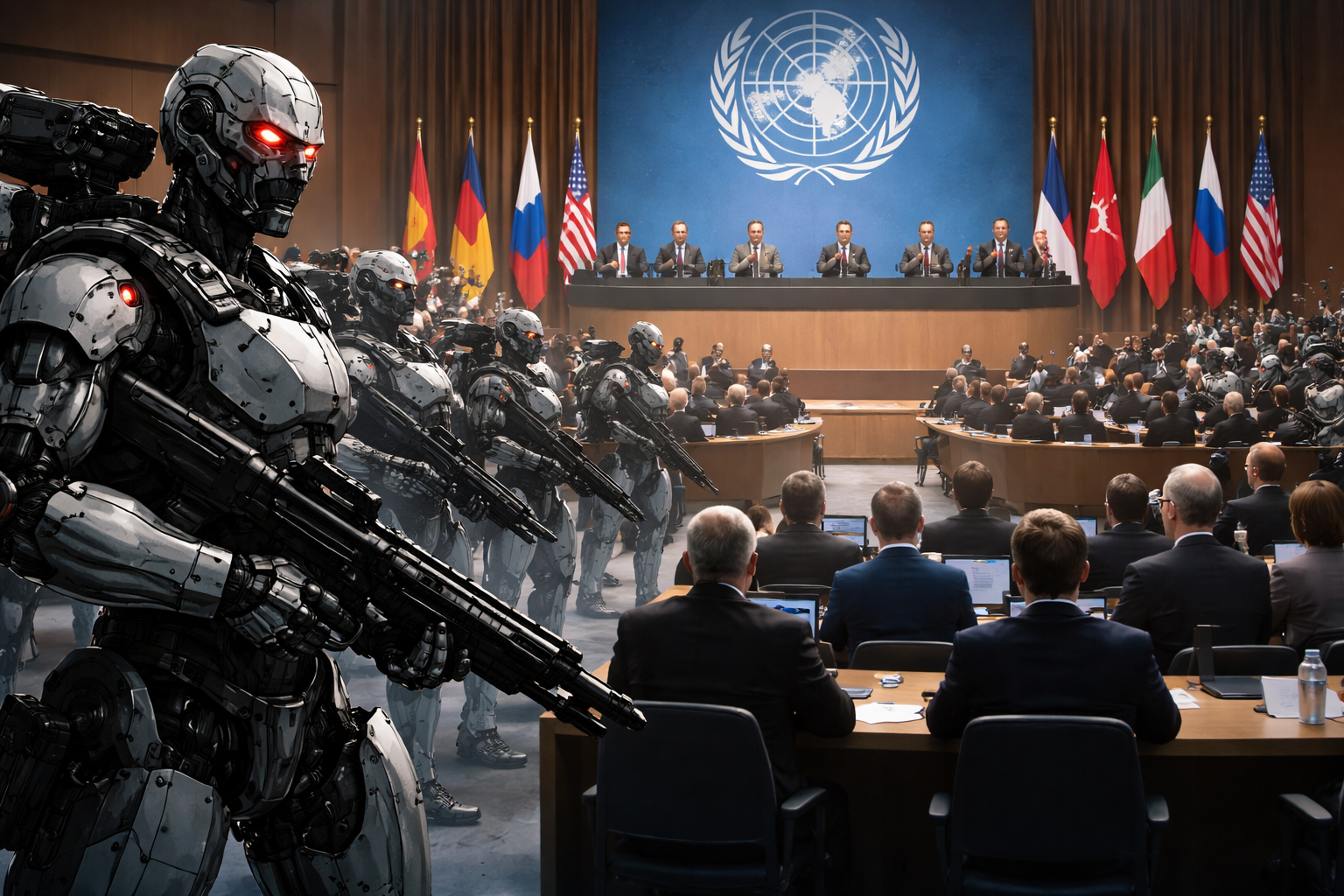
At the United Nations COP31 summit in Antalya, Turkey, negotiations on a new global climate deal continued into overtime Sunday as delegates wrestled with key sticking points including fossil fuel commitments and adaptation finance.
A fresh draft proposal, released early Sunday by Turkey and Australia—the co-hosts of the summit—attempts to reconcile opposing views from nations divided over whether to explicitly mention fossil fuel phase-out in the agreement.
Contentious issues delay consensus
The new draft notably omits any direct reference to “transitioning away from fossil fuels,” a change from an earlier version that had triggered walkout threats by some countries. Instead, it reiterates an existing commitment made three years ago and, for the first time in COP history, acknowledges that the world is currently on track to miss the critical Paris Agreement goal of limiting warming to 1.5 degrees Celsius, entering a period known as “overshoot.” Climate experts warn this could expose millions more to risks such as sea level rise and extreme heat.
Resistance to removing fossil fuel language has come notably from the European Union and Pacific island states. Several ministers from Panama, Solomon Islands, Côte d’Ivoire, and the EU defended the inclusion of fossil fuel phase-out commitments as essential to addressing the root causes of climate change. Panama’s Environment Minister Juan Carlos Navarro condemned the omission as unacceptable, and Tuvalu’s Climate Minister Maina Talia described it as a “red line”.
Funding for adaptation remains unresolved
Another major point of contention involves climate finance for adaptation efforts in developing countries. The draft defers decisions on specific funding amounts, offering disappointment especially to the Africa Group of negotiators, who sought a clear commitment to ramp up adaptation financing to $120 billion by 2035. Ghana’s Environment Minister Zanetor Agyeman Rawlings emphasized the demand for fair and rightful funding to support vulnerable populations harmed by climate impacts.
Earlier proposals to increase adaptation finance were removed in the latest draft, sparking criticism from developing nations. Activists and observers have also expressed frustration with the slow progress and the summit’s inability to secure stronger commitments.
Tense negotiations and next steps
EU Commissioner for Climate Wopke Hoekstra warned that a deal without adequate climate action would not be acceptable. Meanwhile, the UK’s chief negotiator, Energy Secretary Miatta Fahnbulleh, remained cautiously optimistic that an agreement could still be reached.
Key players including the EU and Saudi Arabia engaged in last-minute efforts to find common ground, particularly on the contentious fossil fuel language. COP31 President and Turkish Environment Minister Murat Kurum urged delegates to carefully review the draft, expressing belief that the remaining issues were closer to resolution than ever before.
If consensus fails to be reached—a requirement under the UN’s climate negotiation framework—the summit risks suspension until next year, a rare outcome since COP meetings began in 1995. The ongoing delays have already forced delegates to reschedule flights and extend the summit beyond its original Friday deadline.