
Andy Burnham Faces Risks in Promising Major Gains at UK-EU Brussels Summit
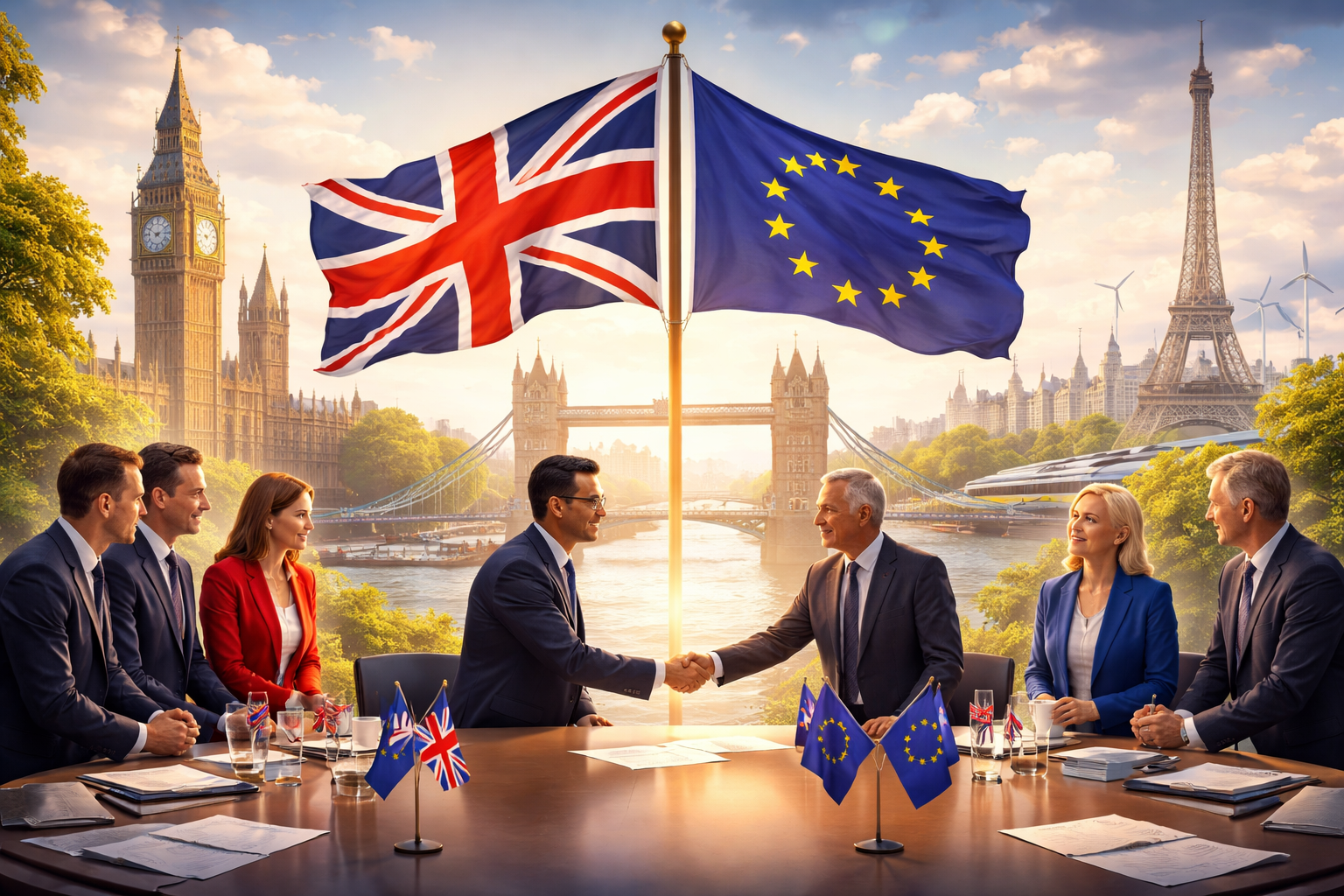
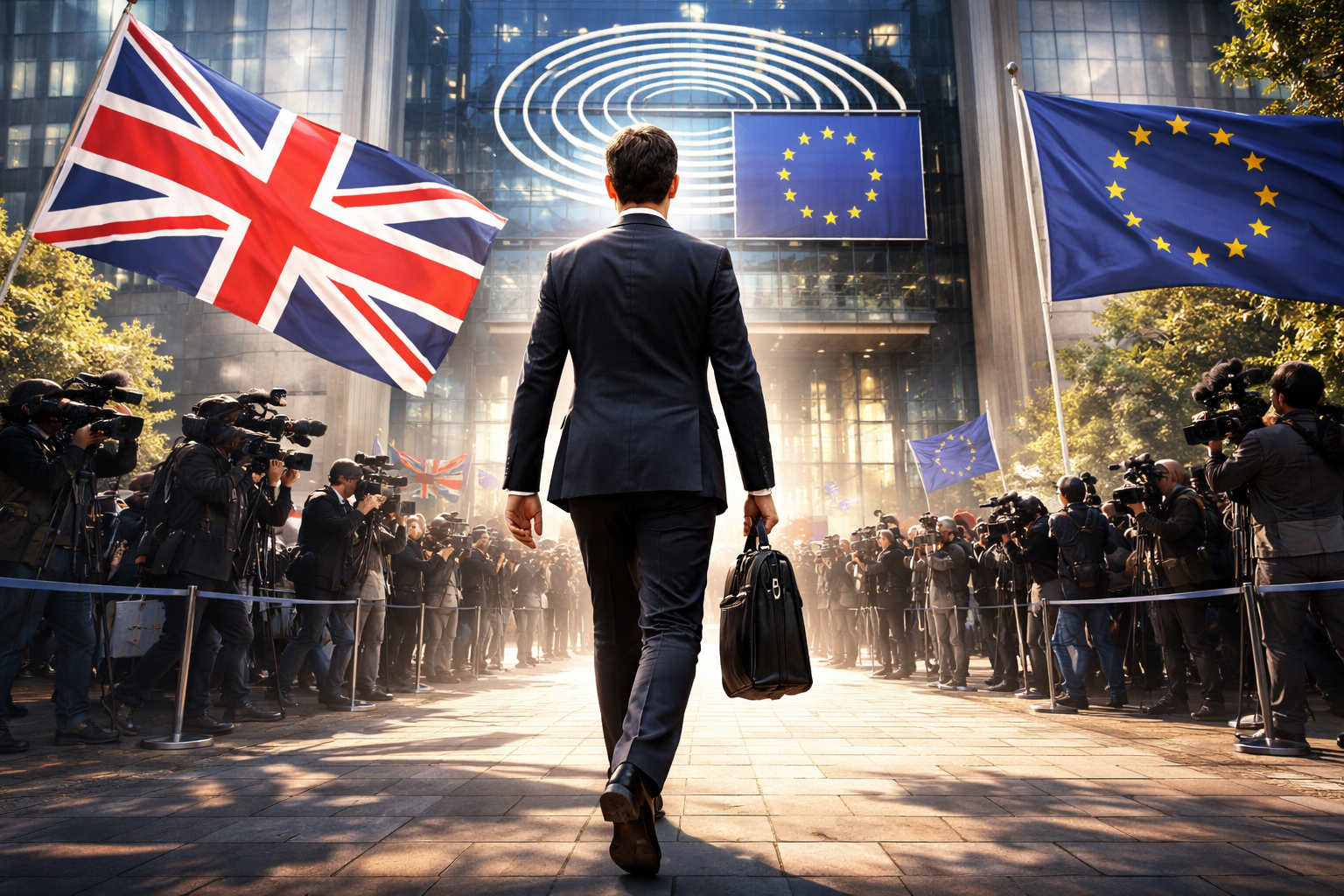
This week’s UK-EU summit in Brussels marks a significant moment in the British government’s efforts to enhance trade and economic cooperation with the European Union. Andy Burnham, meeting with EU chiefs for the first time, plans to unveil agreements aimed at reducing trade friction and setting the stage for a broader political and economic relationship with the EU.
Burnham has signaled his long-term intention to reopen the debate on Brexit, potentially leading to a new Labor Party manifesto that could consider reapplying for EU membership. However, experts caution that Burnham risks creating unrealistic expectations that might undermine this goal if the immediate summit outcomes fail to deliver tangible results.
Summit Agreements Still Face Key Obstacles
According to briefings from Burnham’s team, the summit’s deals on easing trade friction in food and carbon-heavy goods—technically sanitary and phytosanitary (SPS) and emissions trading systems (ETS)—are touted as “done,” with projections of adding billions of pounds to the UK economy. Despite this optimistic framing, these agreements remain conditional on unresolved issues, such as deciding tuition fees for EU students in British universities.
Additionally, necessary legislative and systematic preparations mean that these measures are unlikely to be operational before 2028. Given the broader global energy crisis, any economic benefits these deals might bring could be largely offset, causing British voters to question the credibility of Burnham’s promises.
Challenges in Securing UK Inclusion in EU Programs
One negotiation priority for Burnham is integrating UK manufacturers into the EU’s “Made in Europe” program, which offers tax breaks and procurement advantages to European manufacturers. Currently, British manufacturers, including carmakers, do not qualify due to EU legislation still under development.
While the summit’s draft communique mentions a “trusted partnership” on economic security hinting at potential UK inclusion, the lack of concrete commitments underscores uncertainty. Furthermore, EU willingness to include the UK appears contingent on aligning with trade policies restricting Chinese imports, such as electric vehicles. This could lead to higher tariffs in the UK and possible retaliation from China, negatively impacting British exporters.
Implications for Future EU Membership Prospects
Negotiations are expected to be prolonged and contentious, with opposition parties poised to use early difficulties as evidence of the complexity in rejoining the EU. Discussions over tariff alignments and regulatory standards may raise doubts among EU partners regarding the UK’s readiness for accession.
Observers note that if Burnham truly intends to pursue EU membership, the process will span roughly five years—from initiating national debate to election campaigns, accession talks, and a membership referendum. Throughout this period, both the EU and UK voters will scrutinize Burnham’s communications and policy positions, which might influence support for rejoining.
Experts advise Burnham to temper early enthusiasm about economic gains from the summit and adopt a realistic tone, emphasizing both progress and limitations. They suggest he also engage carefully with European interlocutors to avoid antagonizing potential allies or creating unnecessary hurdles in future negotiations.