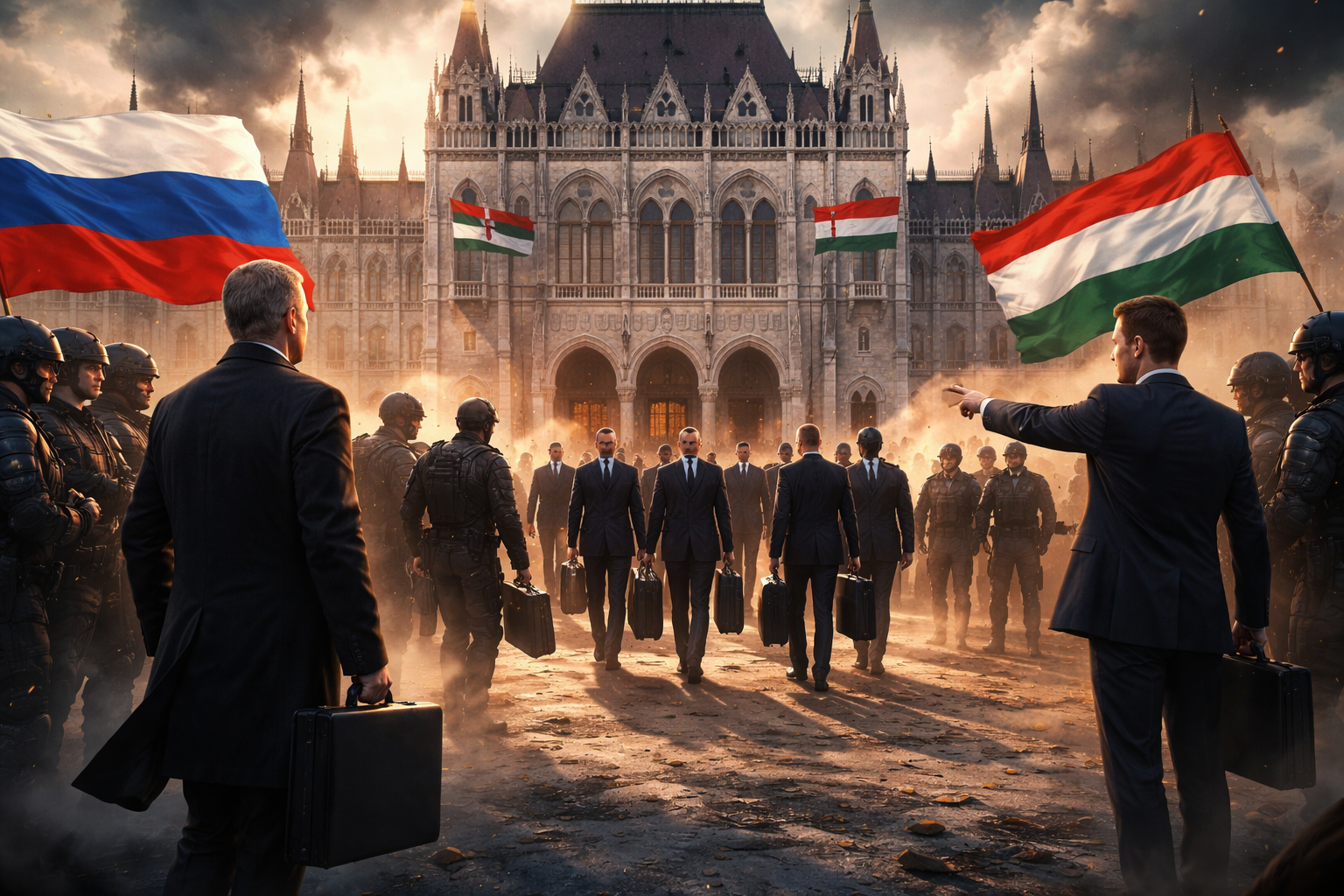
Hungary ordered 10 Russian diplomats to leave the country, citing activities deemed unacceptable under the Vienna Convention, a move that has sparked a sharp response from Russia, threatening a “harsh and painful” reaction. Hungary’s government framed the expulsion as a defense of its national sovereignty, a decision supported by the European Union amid concerns over Russia’s ongoing hybrid attacks against EU members.
The Hungarian foreign minister, Anita Orbán, stated that the diplomats were involved in actions considered incompatible with diplomatic norms. Prime Minister Péter Magyar emphasized that the expulsions aimed to protect Hungary’s sovereignty, underscoring the government’s resolve in face of Russian influence.
EU and International Context
The European Union endorsed Hungary’s measures, describing them as an expected response to Russia’s persistent efforts to undermine EU stability through hybrid tactics. EU foreign policy chief Kaja Kallas condemned Russia’s strategic actions, emphasizing the importance of upholding European values and rejecting any form of aggression or interference.
Simultaneously, diplomatic tensions are heightened by other regional issues, including recent condemnations of Serbia for holding a ceremonial funeral for Bosnian Serb war criminal Ratko Mladić, which several European countries say undermines regional reconciliation efforts and Serbia’s EU accession prospects.
Broader Diplomatic Developments
On the diplomatic front, talks between US President Donald Trump and Russian President Vladimir Putin focused on the war in Ukraine and the potential for restoring US-Russia relations. These discussions followed visits by US peace envoys to Moscow and Kyiv amid ongoing conflict and renewed Russian attacks, illustrating the fluid dynamics of international diplomacy at the moment.
Meanwhile, European nations remain concerned about security and defense amid continuing tensions with Russia, exemplified by Germany’s decision to supply Patriot missiles to Ukraine and calls for sustained aid to Kyiv amid rising concerns about Russian winter offensives.
Implications and Outlook
Russia’s threat of retaliation against Hungary signals escalating tensions between Moscow and European states allied in their response to its actions in Ukraine and beyond. Hungary’s assertive diplomatic stance aligns with broader EU efforts to counter Russian influence and uphold regional security. However, Russia’s response warns of potential further deterioration in relations and complications in diplomatic engagements across Europe.