
Types of Exercise for Metastatic Breast Cancer
A wide variety of exercises offer health benefits for people with metastatic breast cancer.
“In general, I encourage patients to think about exercise as a combination of aerobic activity, strength training, flexibility work, and mindful movement,” Dr. Wei says. “The right mix depends on a person’s diagnosis, symptoms, treatment plan, and fitness level, but most people can benefit from incorporating some form of each.”
Aerobic Activity
- Increased metabolism
- Improved blood circulation
- Increased immunity
- Reduced symptoms, including fatigue, anxiety, and depression
- Improved quality of life
Walking is often one of the easiest and most accessible forms of cardiovascular exercise, says Wei.
“The goal is to start with 10 to 15 minutes of walking three or four days a week and building gradually,” says Jessica Scott, PhD, the director of the exercise oncology program and an associate attending at Memorial Sloan Kettering Cancer Center in New York City.
- Jogging
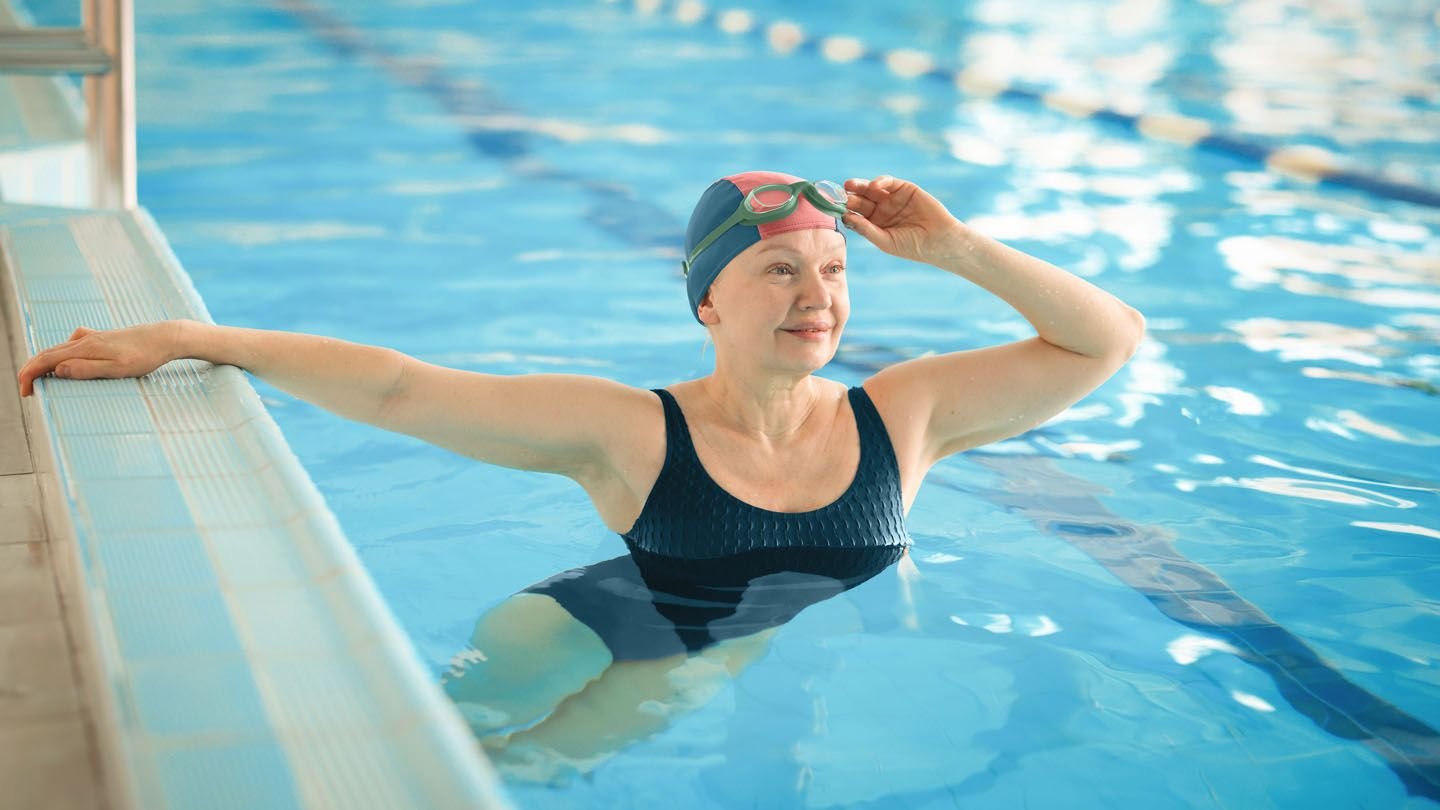
- Swimming
- Cycling
- Running
- Dancing
- Gardening
- Jumping rope
- Playing sports
Your surgeon may temporarily restrict activities such as swimming immediately after surgery until incisions are fully healed, says Nasim Chowdhury, MD, the medical director of cancer rehabilitation at Weill Cornell Medicine and an attending physician at NewYork-Presbyterian in New York City. “However, patients should not be fearful of returning to exercise once medically cleared,” he says. “Remaining active is one of the most important things that patients can do for their long-term health.”
Strength Training
Strength training can help counteract the muscle loss and weakness that can occur with metastatic breast cancer and its treatment, Wei says.
Dr. Chowdhury says that for individuals receiving hormone therapy, resistance training becomes especially important because some treatments can contribute to bone loss and osteoporosis.
Wei suggests starting with simple strength-training exercises such as going from sitting in a chair to standing, wall push-ups, body-weight squats, and resistance-band exercises. “Many patients don’t need a gym membership or heavy weights to benefit,” she says. “In general, I encourage strength training two or three times per week, with adjustments as needed based on a person’s symptoms, recovery, and physical abilities.”
Stretching
Stretching can be especially important for people who have had surgery or radiation, which may contribute to tightness and reduced range of motion in the chest, shoulders, and arms, Wei says. “Gentle stretching can help improve flexibility, comfort, posture, and everyday function,” she says.
Wei recommends easy movements like shoulder rolls, chest stretches, and wall walks.
“I generally advise patients to stretch after their muscles are warmed up and to focus on gentle movement and deep breathing, rather than pushing through pain,” Wei says. “If a particular stretch causes significant discomfort, it’s worth discussing with a rehabilitation specialist.”
Mindful Movement Practices
Yoga and tai chi may be particularly beneficial for balance, coordination, and fall prevention, Chowdhury says. “This can be especially valuable for individuals experiencing balance impairments from chemotherapy-induced nerve problems,” he says.
See More: https://www.ubirataonline.com.br