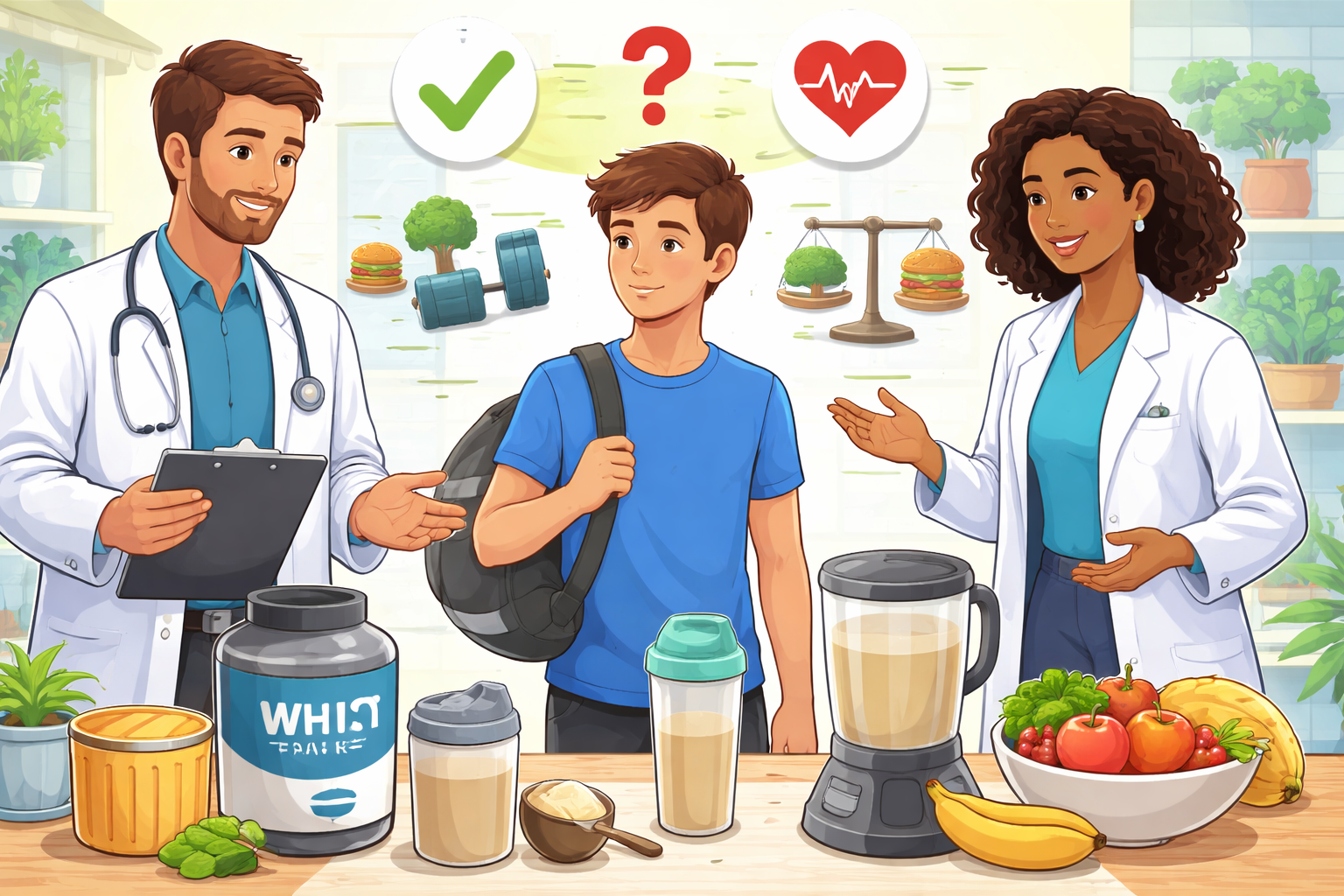
Nearly half of parents surveyed in a 2024 University of Michigan study reported that their teenage children consumed protein products in the past year, highlighting the growing popularity of protein powders, bars, and fortified foods among youth aged 13 to 17. While many adolescents turn to these products for muscle-building or dietary balance, nutrition experts caution that most teens can meet their protein needs through regular diets without supplements.
The increasing market for fitness-related protein products, reflected in a 25% retail revenue jump in Germany between 2024 and 2025, corresponds with teen interest, though concerns about potential health risks and excessive intake have emerged.
Protein Needs and Typical Intake Among Teens
Proteins are essential for tissue repair, immune function, and metabolic processes. Official guidelines recommend 0.9 grams of protein per kilogram of body weight daily for teenagers, slightly higher than the 0.8 grams advised for healthy adults. For example, a 45-kilogram teen should consume approximately 40.5 grams per day, which can be achieved with balanced meals including grains, dairy, nuts, and legumes.
However, studies indicate that many youths, particularly in Germany, exceed recommended protein levels by more than double, often through consumption of animal-based proteins and enriched products.
Health Risks Associated with Excessive Protein Intake
Overconsumption of protein, especially animal protein, may contribute to long-term health risks. The German Nutrition Society (DGE) warns that excessive intake in children could increase the likelihood of obesity and may influence early puberty onset. Additionally, high protein levels can strain the kidneys, which metabolize amino acids into urea, potentially causing damage if fluid intake is inadequate or if pre-existing kidney issues exist. Adolescents face increased vulnerability given their developmental status.
Protein Shakes and Their Role in Adolescent Diets
Protein shakes and similar supplements are frequently marketed to teens, often containing added vitamins, minerals, sugar, sweeteners, and flavorings. Some products have been found to include doping substances, raising safety concerns. Moreover, milk-based protein powders may exacerbate acne in susceptible individuals by increasing sebum production, although definitive causal links have not been established.
Experts caution against relying on protein supplements as a meal replacement, noting the risk of reduced fiber, micronutrient, and healthy fat intake if normal meals are skipped.
Recommendations for Teens and Active Youth
For adolescent athletes who train extensively (over five hours daily), protein requirements rise to between 1.2 and 2 grams per kilogram of body weight, ideally consumed in multiple servings throughout the day. Yet, the DGE emphasizes that even these individuals do not necessarily need specialized protein products and can meet their needs by optimizing typical food intake.
Special cases warranting supplementation include allergies, digestive or swallowing difficulties, or poor appetite. Plant-based proteins are recommended as a primary source, offering nutritional benefits such as fiber, vitamins, and unsaturated fats, despite typically having fewer essential amino acids than animal proteins.
Given the premium pricing of protein-enriched foods and the potential risks, parents and teens are advised to consider dietary adjustments over costly supplements and to seek professional guidance when necessary.