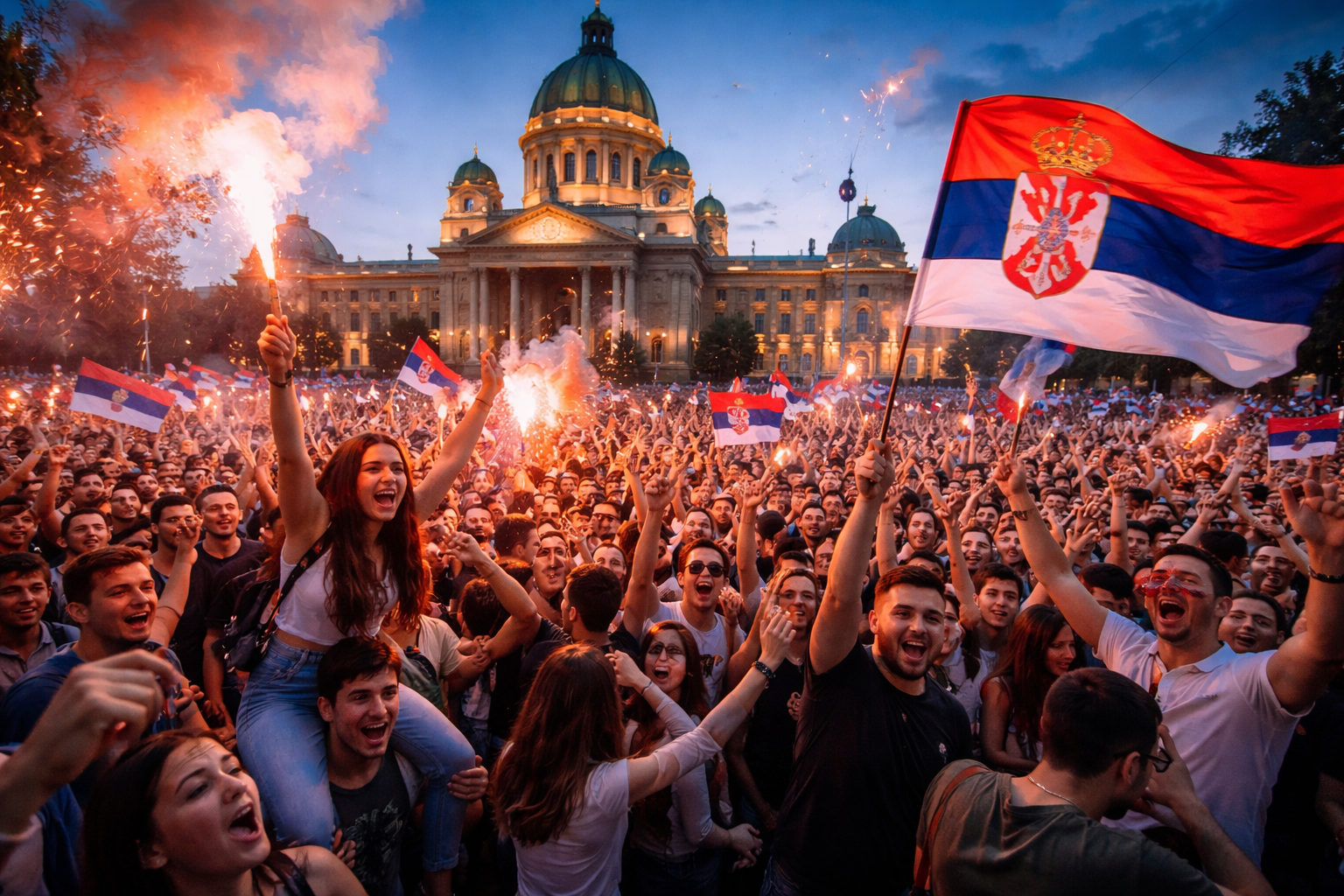
Following a deadly canopy collapse at Novi Sad’s newly renovated train station in November 2024 that claimed 16 lives, a group of university students transformed from protesters to political actors aiming to restore democracy and accountability in Serbia. This tragic incident exposed systemic corruption and impunity, sparking widespread demonstrations led by students who demanded justice and transparency.
Novak Simin, who was a PhD candidate in human resources at the University of Novi Sad, recalled how the authorities responded not with accountability, but repression—branding protesters as fascists, suppressing media outlets, and targeting activists for persecution. Despite intimidation, including surveillance and legal accusations, these students organized inside academic institutions, insisting on democratic principles and clear objectives to hold the government accountable for failures contributing to the disaster.
From Protest to Politics
When it became clear that the regime would not yield to their demands, the student movement established the Student List, a political group composed of professors, doctors, lawyers, farmers, and scientists—individuals with no prior political careers but with integrity and civic commitment. The Student List campaigned extensively across Serbia, aiming to revive public trust and challenge entrenched state propaganda.
Commitment to Rule of Law and Transparency
The movement’s core goals focus on dismantling the culture of impunity by instituting verifiably independent prosecutors, enforcing transparent public procurement, and requiring legal responsibility from those who misuse state resources. They emphasize restoring dignity to public servants such as teachers and healthcare workers who have long been subordinated to party loyalty rather than merit.
Implications and the Road Ahead
Having succeeded in toppling the regime, the Student List representatives acknowledge their lack of traditional political experience but highlight their dedication to serving citizens and learning the mechanisms of governance. Their election signals a demand by Serbian voters for honest, grassroots leadership committed to establishing normal, functioning institutions. This transition marks an end to institutional fear and represents a historic opportunity for Serbia to reclaim public trust and democratic ideals.