

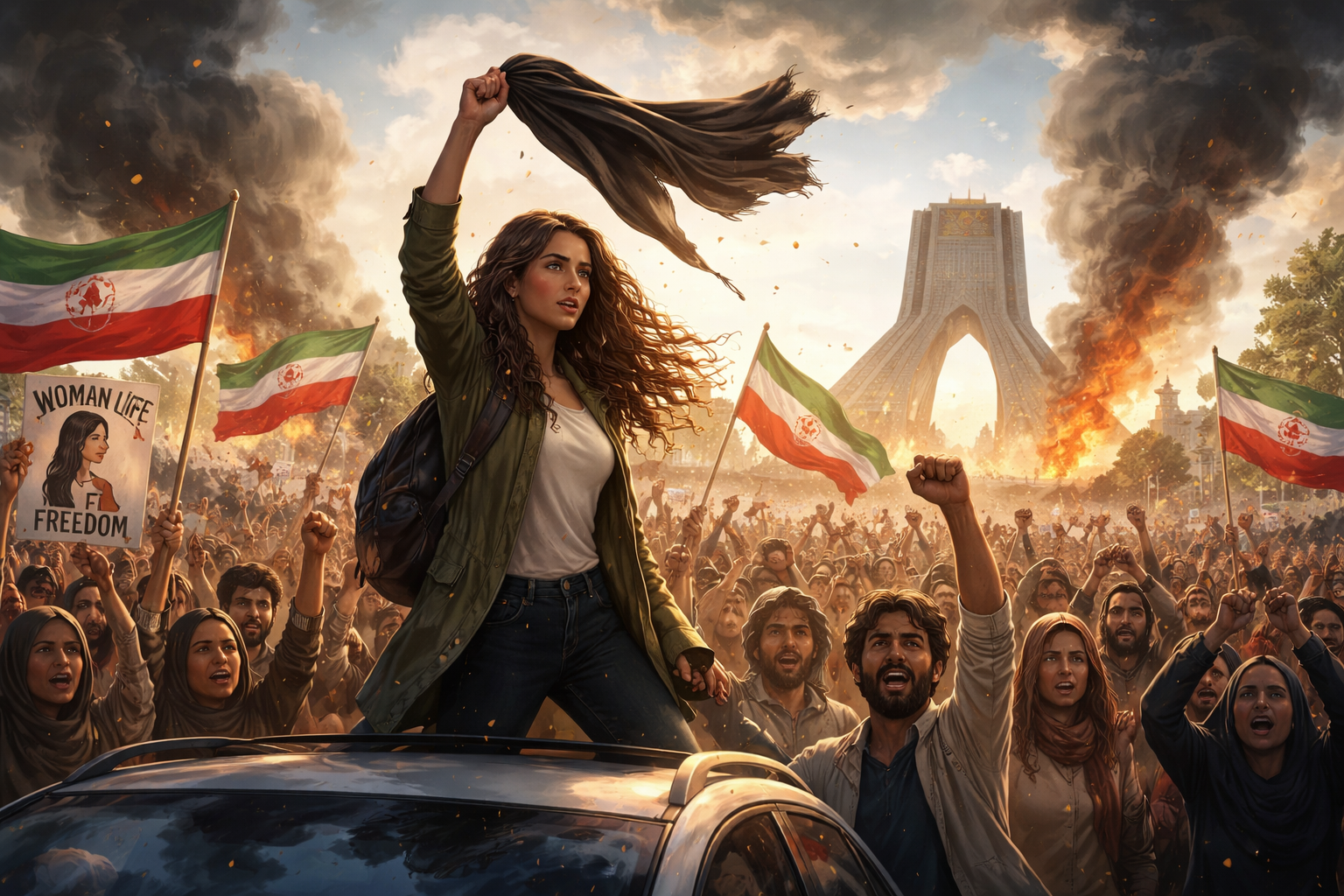
Since the death of Mahsa Amini in September 2022, the spirit of the “Woman, Life, Freedom” movement has endured in Iran, symbolizing women’s resistance to state violence and mandatory hijab laws. Amini, a 22-year-old Kurdish woman detained by Tehran’s morality police for allegedly violating the hijab rule, died three days after her arrest. Her death triggered widespread protests across the country that challenged long-standing enforcement of dress codes and state repression.
Despite a government crackdown that suppressed the mass protests, the movement left a lasting impact on Iranian society. Women’s rights activists describe this period as a major social and cultural shift, signaling a growing awareness among Iranians of their collective power.
Ongoing Debates Over Hijab Enforcement
Amid Iran’s ongoing political turmoil and conflict with the United States, enforcement of the hijab mandate remains a contentious issue. Some lawmakers are advocating for stricter punishments for women who do not comply with mandatory head covering rules in public. A proposed bill designed to increase penalties has been stalled amid disagreements among state institutions but continues to prompt debate in parliamentary sessions.
Voices from the younger generation show a divergence from government expectations. A 17-year-old Iranian student shared that she no longer feels compelled to wear a hijab in public and often posts images on social media without it, calling this a new normal. However, many women, including her mother, still exercise caution by carrying scarves to cover their heads if necessary.
A Legacy of Female Resistance
The movement is part of a broader history of women’s activism in Iran. Two decades earlier, in 2006, Iranian feminists launched the “One Million Signatures” campaign, aiming to collect signatures to repeal discriminatory laws. This initiative mobilized activists to engage with society on issues such as divorce, inheritance, and polygamy, despite facing harsh state repression, including arrests and raids on human rights organizations.
Notable figures such as Shirin Ebadi, Iran’s first Nobel Peace Prize laureate in 2003, and Narges Mohammadi, a 2023 Nobel laureate, have faced repeated arrests for their advocacy. Many activists have fled Iran due to repression. The current movement is viewed by some activists as a continuation of this long struggle rather than a sudden break.
Enduring Impact and Future Challenges
The “Woman, Life, Freedom” movement, while unable to achieve immediate legislative change, has altered social perceptions and empowered many Iranians to push back against state control. Institutional violence and arrests persist, yet activists emphasize that fundamental societal attitudes have shifted. The debates around the hijab mandate, ongoing repression, and the resilience of women in Iran illustrate the continued struggle for rights amid complex political challenges.