In the run-up to the November midterm elections, Democratic candidates across the United States are reframing climate policy to emphasize energy affordability rather than explicitly addressing global warming. This strategic pivot comes as communities nationwide face wildfires, heatwaves, and flooding, yet climate change is becoming less vocal in campaign rhetoric.
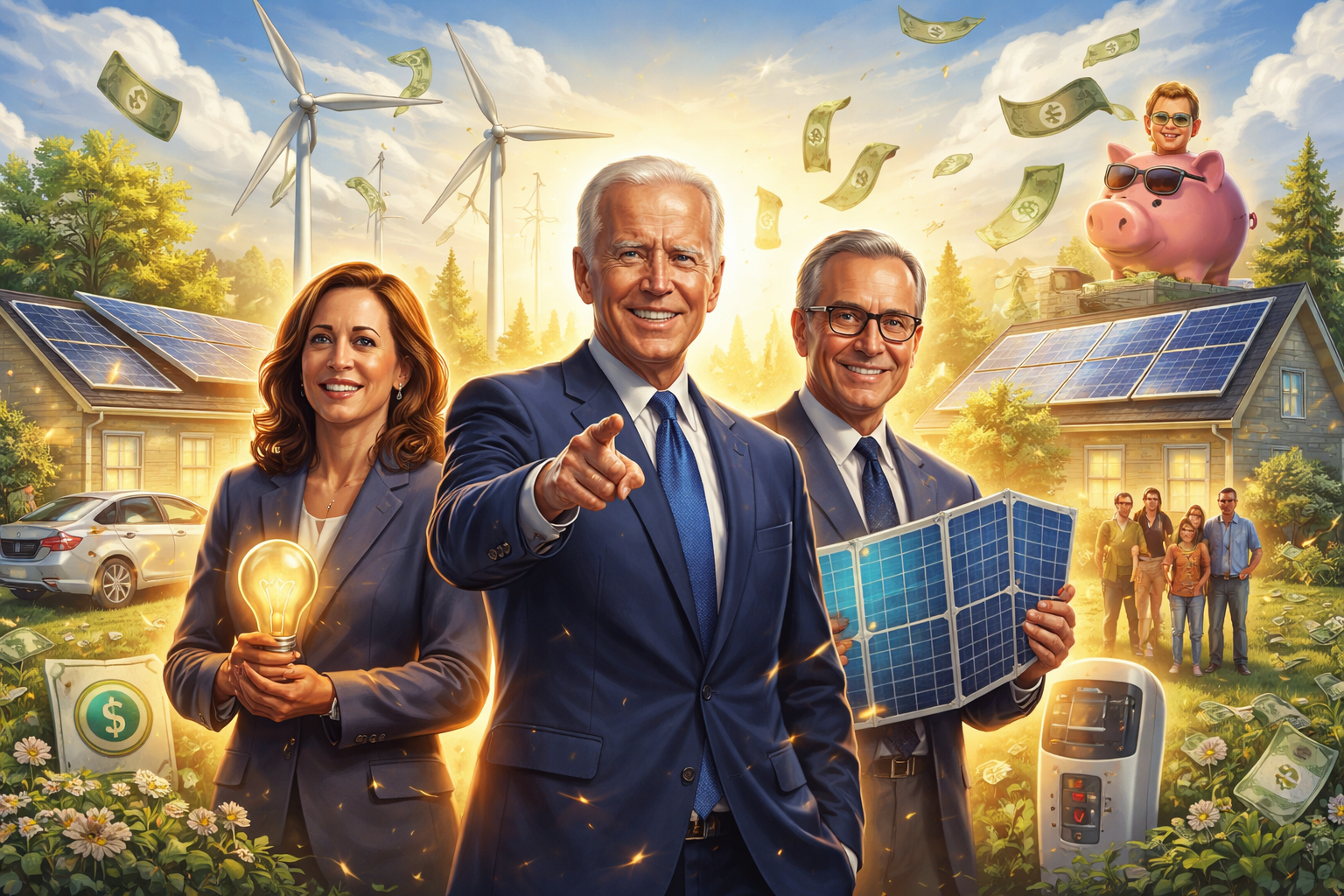
According to analysis from Inside Climate News and experts familiar with congressional climate efforts, Democrats aim to connect climate initiatives with lowering energy costs and utility bills, broadening appeal amid economic concerns. The party’s messaging includes proposals for home energy-efficiency upgrades, emergency relief for rising utility bills, and requirements for energy-intensive data centers to fund grid improvements.
Climate Policy Takes a Backseat to Energy Costs in Campaigns
Democratic candidates like James Talarico in Texas, seen as a critical challenger in a deeply Republican district, illustrate this shift. While acknowledging climate change in policy outlines, Talarico’s campaign prioritizes promises related to reducing energy expenses, fostering jobs in the energy sector, and ensuring that large energy consumers pay for necessary infrastructure upgrades. This approach reflects a broader trend of downplaying explicit climate change references in favor of addressing affordability concerns.
Legislative Prospects and Bipartisan Cooperation
Most election forecasts suggest Democrats could secure control of the House and a narrow Senate majority, but without the presidency, passing major climate legislation may require bipartisan consensus. Analysts do not anticipate a revival of the Inflation Reduction Act (IRA) at the same scale but expect efforts to reinstate select provisions, particularly those aiding household energy costs through energy-efficiency incentives and appliance upgrades.
A bipartisan infrastructure reform bill currently under consideration could expedite approval processes for major projects, including long-distance transmission lines crucial for expanding wind and solar power. However, the bill has raised concerns among environmental groups about potentially accelerating fossil fuel infrastructure approvals. The degree of Democratic support might vary depending on midterm outcomes.
Looking Ahead to 2028 and Emerging Climate Issues
Major new federal climate legislation is unlikely before the 2028 presidential election, which will only see significant progress if Democrats control the executive and legislative branches. Meanwhile, emerging issues such as the rapid growth of energy-intensive data centers have sparked public opposition, with some Democratic lawmakers proposing measures to pause construction, eliminate tax breaks, or tax their electricity consumption.
Other Democratic proposals include a federal program to help insurers manage climate-driven disaster risks and initiatives requiring fossil fuel companies to contribute financially to damage and adaptation costs. While some states have enacted related laws, federal efforts face legal and political hurdles.
Despite these challenges, many Democrats agree on restoring clean energy tax incentives found in the IRA and framing clean energy as both a cost-effective and stable energy source. This approach is anticipated to guide climate policy discussions into the next election cycle.