
Ukraine confirms drone strikes on Taneko oil refinery in Russia’s Tatarstan, killing 13 and injuring 75 in escalating conflict
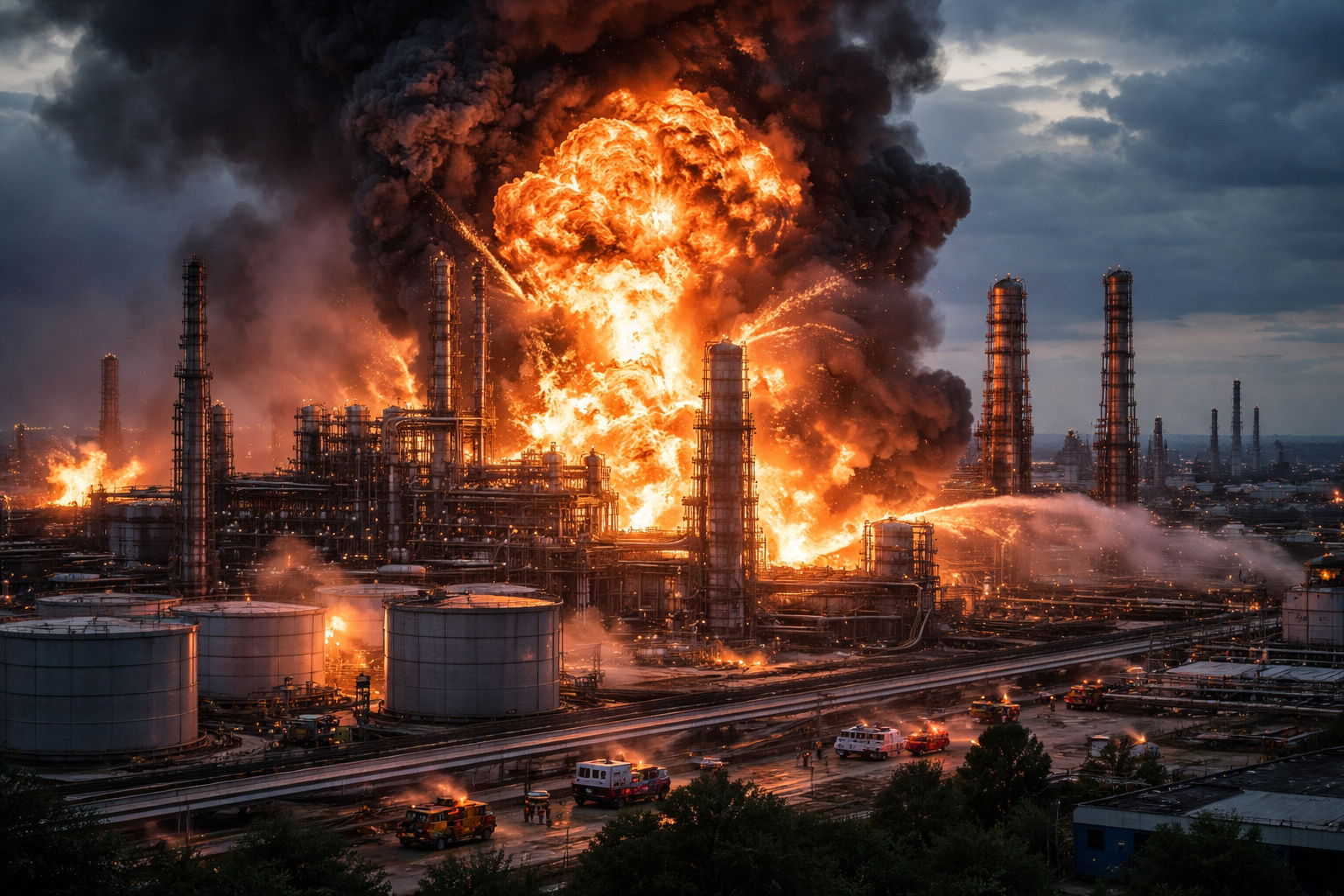
Ukraine’s military has confirmed launching a drone attack on the Taneko oil refinery located in Nizhnekamsk, a city in Russia’s Tatarstan region, approximately 750 miles east of the Ukrainian border. The strike, part of Ukraine’s efforts to increase the cost of Russia continuing its war, resulted in the deaths of 13 people and injured 75 others, according to Russian authorities.
The attack has reignited tensions as Russia condemned it as a “terrorist attack” and initiated a criminal investigation. Among the casualties, seven Uzbek citizens were reported dead, with many victims being in a hostel at the time of the strike, as reported by Russian news agency RIA and confirmed by the Uzbek consulate in Kazan. The head of Tatarstan, Rustam Minnikhanov, declared a day of mourning following the incident.
This assault highlights Ukraine’s ongoing campaign to disrupt critical Russian infrastructure, with significant repercussions for both human lives and the Russian energy sector, according to details obtained from multiple international sources including Reuters and AFP.
Details on the impact and regional reaction
The refinery targeted is a key petroleum processing hub in Nizhnekamsk, a city with a population of about 240,000. The Ukrainian military’s action marks a significant escalation in drone warfare far inside Russian territory. Russian authorities reported that nine of the victims were in a hostel when struck, demonstrating the tragic civilian toll.
Russian officials are treating the incident with high seriousness, classifying it as terrorism and pursuing criminal charges. Tatarstan’s leadership mourned the loss of a child among the dead and emphasized the profound impact on local communities.
Broader geopolitical and military context
Concurrently, Ukrainian intelligence has revealed Russia is rapidly deploying its own satellite internet system aimed at rivaling SpaceX’s Starlink network. Maj Gen Vadym Skibitskyi of Ukraine’s military intelligence service disclosed Russia already operates 16 satellites with plans to expand to nearly 300 by 2027. This development could shift communications and drone operations on the battlefield further, prompting Ukraine to coordinate countermeasures.
Previously, Russian forces used grey-market Starlink terminals inside Ukraine until Kyiv successfully lobbied to disable them, which was a factor in shifting battlefield momentum. Now, the contest for technological dominance adds a new layer to the ongoing conflict.
Wider European repercussions and related crises
Amid these military developments, Europe faces growing challenges with extreme weather. Countries including the UK, France, Germany, and Estonia are grappling with heatwaves, droughts, and declining water levels in major rivers like the Rhine, Danube, and Vistula. These environmental stresses threaten economic growth and increase risks of wildfires, compounding the continent’s crisis load.
Political upheavals have also surfaced, such as Estonia’s ruling coalition losing its parliamentary majority, signaling instability in Baltic governance. Meanwhile, Germany is investing more resources in anti-drone police units after a drone with explosives was found near a key airport, highlighting security concerns connected to the conflict and broader hybrid threats in Europe.
These intertwined crises underscore the complex matrix of military, environmental, and political challenges facing Europe during this turbulent summer.