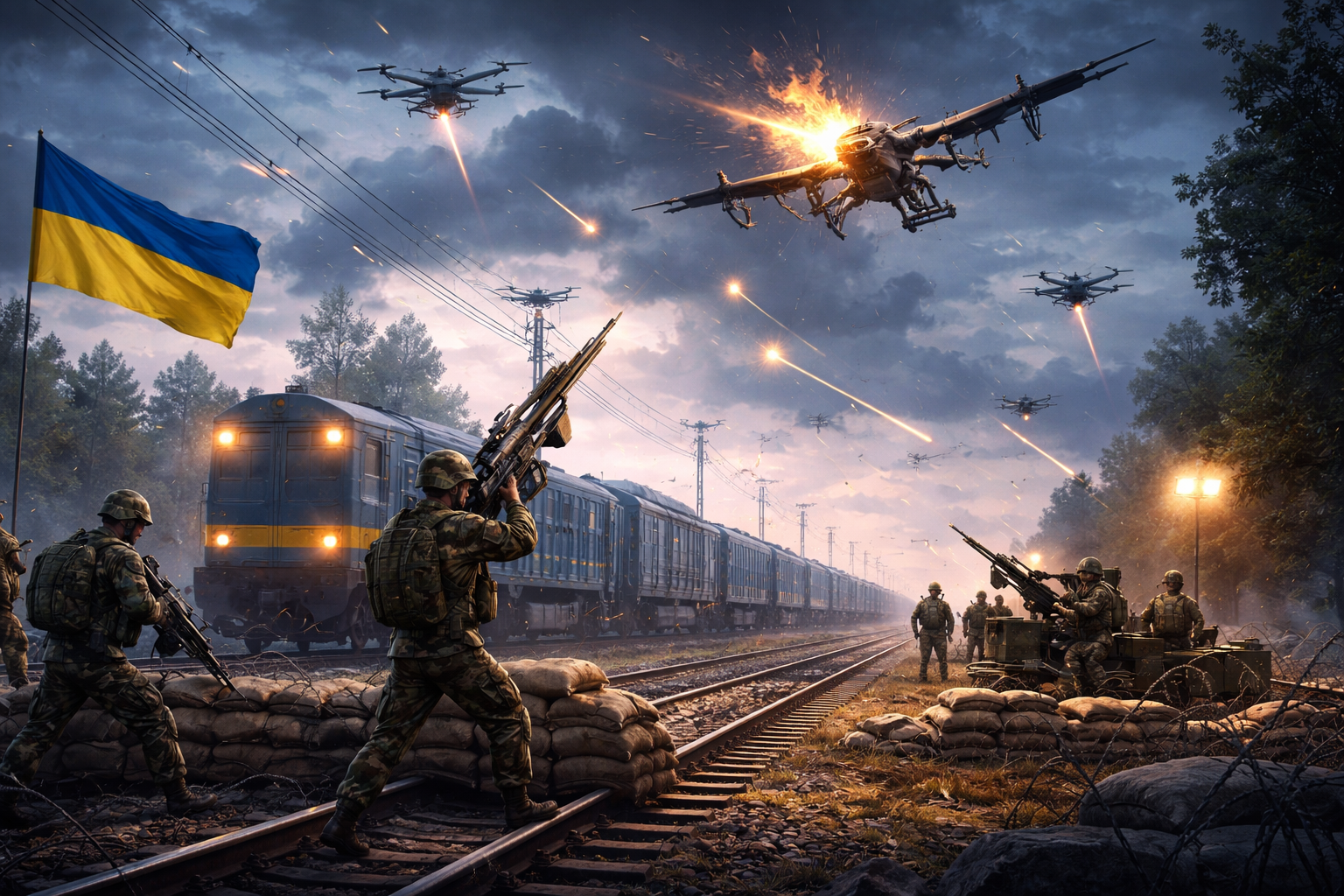

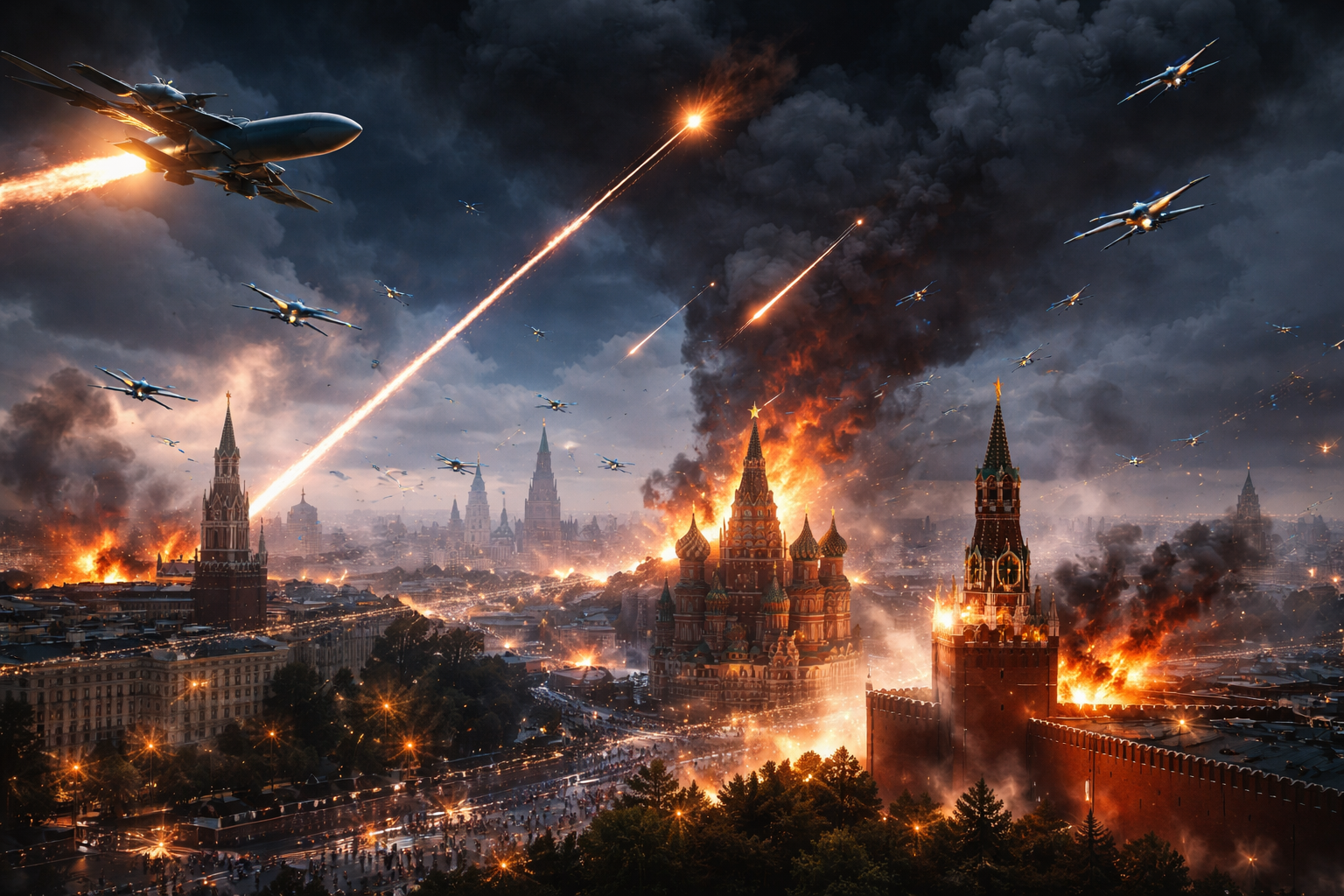
Ukraine launched a significant assault targeting Moscow and other parts of Russia involving hundreds of drones and the first publicly acknowledged use of ballistic missiles in the conflict. The multi-faceted attack resulted in at least two fatalities and damage to a critical oil industry facility in Russia on the final day of Russia’s parliamentary elections, officials said Sunday.
The Ukrainian offensive included the use of the Pelican missile, a short-range ballistic missile with an estimated range insufficient to directly reach Moscow. Ukrainian authorities also deployed domestically produced Flamingo cruise missiles capable of hitting targets deep inside Russia’s territory, including its capital. Imagery circulated on social media showed missile debris in the Moscow region, which open-source analysts attributed to the Flamingo missile.
Attack and Casualties
More than 1,600 drones were intercepted by Russian defenses during the operation, with roughly 450 aimed specifically at Moscow, according to statements by Moscow’s mayor. However, the precise number of drones active in the attack is estimated to be in the low hundreds, as higher figures are typically viewed as inflated.
The assault caused a fire in a high-rise building, prompting the evacuation of about 400 residents. Two deaths—of a 44-year-old woman and an elderly man—were reported at separate locations. A damaged facility belonging to Moscow’s oil refinery was also confirmed, continuing a recent pattern of strikes targeting Russia’s fuel infrastructure.
Weaponry and Strategic Impact
The Pelican missile, understood to be the FP-7 model produced by Ukrainian company Fire Point, marked Ukraine’s entry into ballistic missile technology, which had previously been absent from Kyiv’s military arsenal. The company is developing a longer-range variant expected to extend beyond 500 miles, potentially enabling future direct strikes on Moscow.
Ukraine has intensified drone attacks in recent months, focusing heavily on crippling energy infrastructure vital to the Kremlin’s war funding. These strikes have caused notable disruptions, including shortages of refined oil products, increased fuel prices, and extended queues across Russia’s time zones.
Political Context and Reactions
The drone and missile offensive occurred during Russia’s three-day parliamentary election, timed amid ongoing concerns over the Kremlin’s consolidation of power under Vladimir Putin. Russian officials, including Moscow’s mayor, condemned the attack as an attempt to interfere with voting, though the electoral process is expected to reinforce Putin-aligned parties. The strikes came shortly after U.S. President Donald Trump reported that Ukraine and Russia had mutually agreed not to target each other’s energy infrastructure.
Moscow’s regional officials confirmed the damage and casualties while emphasizing that emergency services managed the immediate aftermath. The election, despite being held amid conflict, continues with only pro-Kremlin parties participating, reflecting the political realities shaped by the ongoing war.