
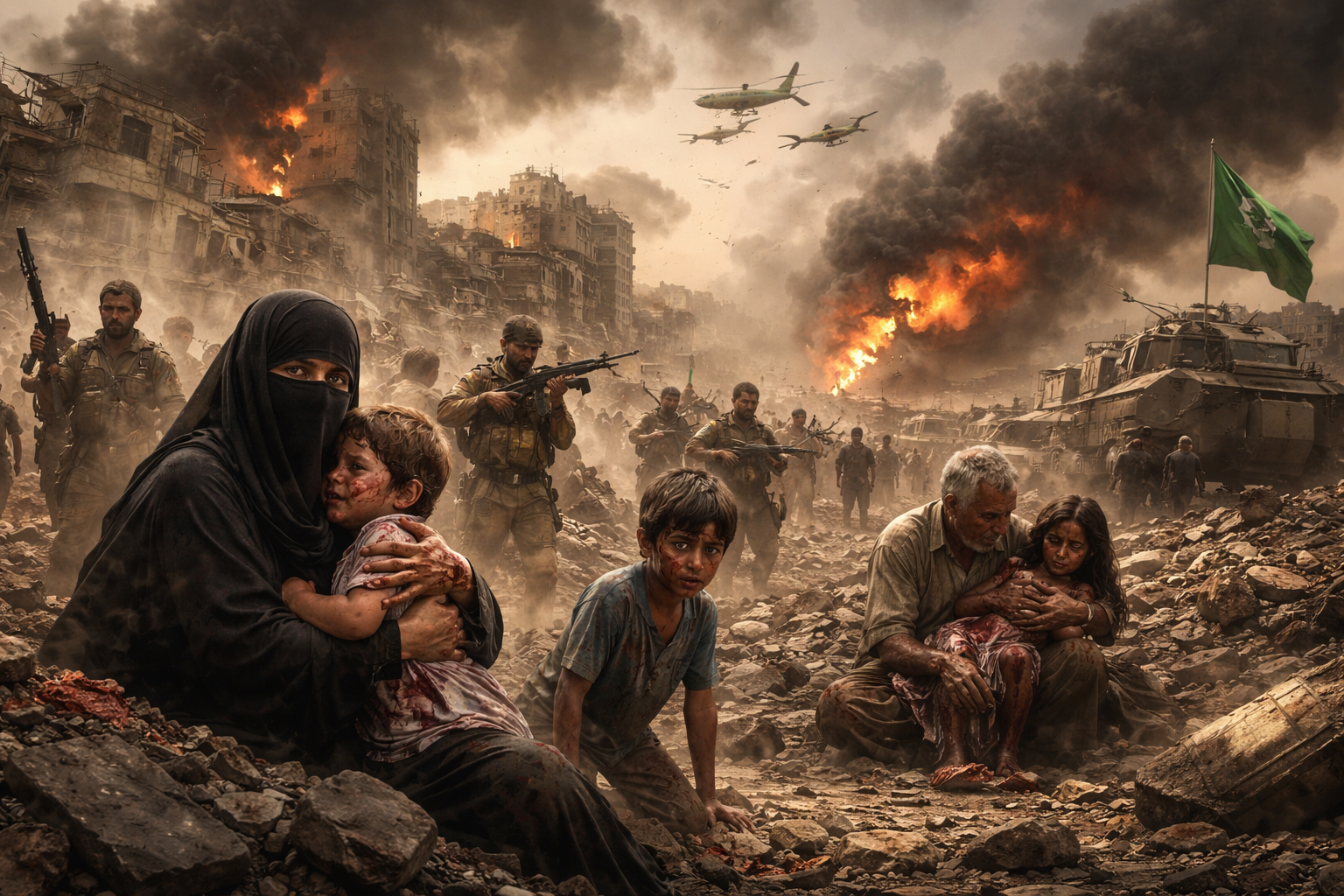
Yemen is facing a worsening humanitarian crisis as Iran-backed Houthi forces have expanded control along the Red Sea coast, prompting thousands to flee their homes amid escalating fighting with Saudi-backed government forces.
Since late July, the Houthis have advanced from northern and central regions, seizing strategic areas including the port town of Mokha in early September. This offensive threatens important transit points near the Bab el-Mandeb Strait, a crucial route for Saudi oil exports.
Displacement and Dire Conditions
The renewed fighting has displaced more than 132,000 people, with many seeking refuge in southern cities like Aden, Lahj, Abyan, and Al Dhale’e, as well as in Marib. The United Nations refugee agency warns that intensifying violence could drive more Yemenis to flee internally and across borders to countries such as Djibouti and Somalia.
Families like Mohammed Musleh’s were forced to abandon their homes in Mokha with little notice or belongings and remain uncertain about their future. Meanwhile, residents in government-held areas such as Taiz fear being encircled again after suffering from prolonged blockades in previous years, which caused severe shortages of food, fuel, and medical supplies.
Humanitarian Strain and Solidarity
The World Health Organization reports at least 674 deaths and nearly 3,000 injuries since the recent escalation began in August, though the casualty count may be higher due to ongoing clashes. Humanitarian infrastructure is under heavy pressure as displaced populations flood already overcrowded camps.
With little funding available, displaced Yemenis are often relying on the support of other displaced families for shelter and food. For example, in Abyan governorate, IDP sites have more than doubled in population recently, straining resources and living conditions.
Officials and Voices on the Ground
Rashad al-Alimi, chairman of Yemen’s internationally recognized Presidential Council, reaffirmed the government’s commitment to restoring full sovereignty despite territorial losses. However, political analysts such as Hisham Al-Omeisy express skepticism about Houthis’ assurances that civilians are not the targets, highlighting the human cost of military gains.
Al-Omeisy emphasized the cruelty of the conflict’s impact on ordinary Yemenis, noting that changes in territorial control translate to disrupted lives, risk of hunger, and forced displacement.