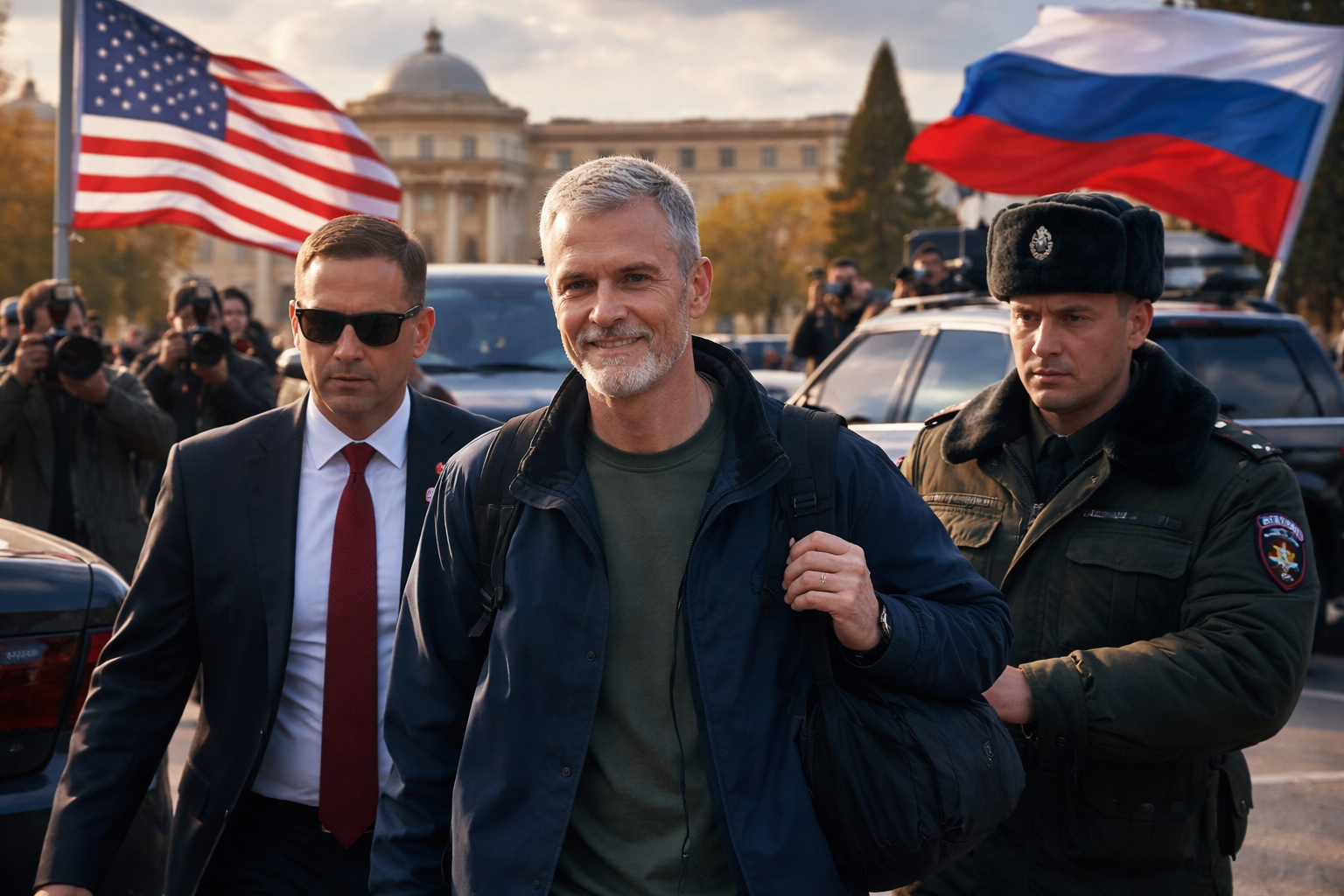

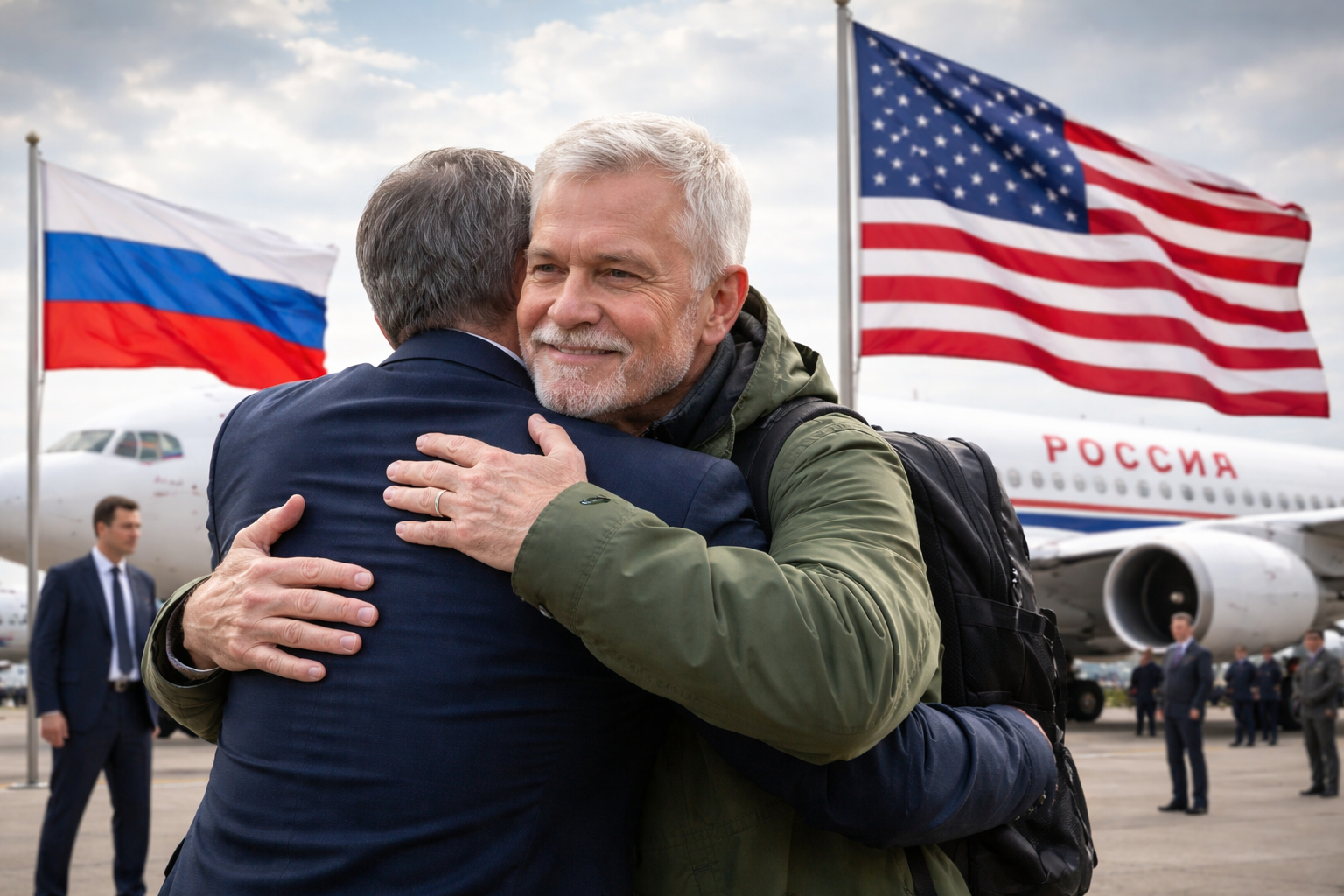
Russian President Vladimir Putin announced the release of American detainee Stephen Hubbard during discussions with US special envoy Steve Witkoff in St. Petersburg on Wednesday. Hubbard, who was convicted in a closed trial in 2024 on charges of being a mercenary, which he denies, is now returning home.
Putin stated that Hubbard had already reached the airport, while Witkoff confirmed that Hubbard was going back to his family. US President Donald Trump later said he personally requested Hubbard’s release in a phone call with Putin the previous week. Trump emphasized that no exchange or swap took place, describing the situation as unprecedented for Russia.
Diplomatic Gesture Amid Peace Negotiations
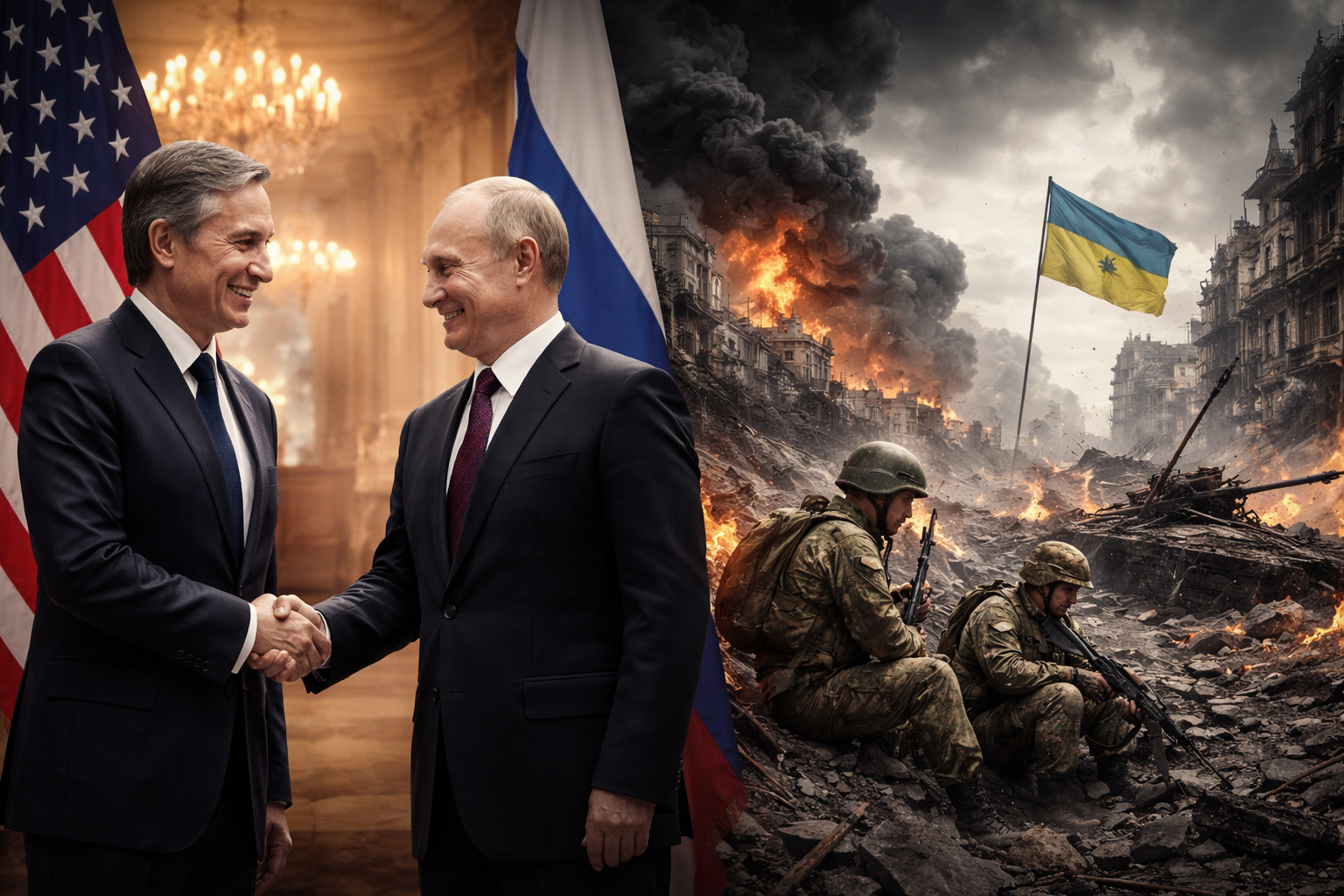
The release is viewed as a goodwill gesture toward the Trump administration amid ongoing discussions for a peace deal involving Russia and Ukraine. Witkoff presented a set of peace proposals to Putin, though Kremlin officials described them as lacking substance and unlikely to aid in a settlement. Despite this, Putin agreed in principle to resume trilateral peace talks with representatives from Russia, Ukraine, and the US after November 10.
Putin also suggested that Witkoff discuss the restoration of Russia-US bilateral relations and showed openness to a possible trilateral meeting with Trump and Chinese President Xi Jinping in Beijing.
Reactions and Next Steps
In related events, Ukrainian President Volodymyr Zelenskyy called for freezing the front lines as a preliminary step toward ceasefire discussions. European leaders expressed expectations to be briefed following these talks, with German Chancellor Friedrich Merz underscoring Berlin’s support for ending the war promptly without Ukrainian capitulation.
Meanwhile, Witkoff was scheduled to return to Oslo for further consultations, signaling that diplomatic efforts involving the US and other stakeholders may be entering a new phase.