As Pakistan and Afghanistan remain locked in escalating border clashes and occasional military strikes, experts see a diplomatic and strategic opportunity emerging for India. However, this opening does not indicate a deep realignment or full replacement of Pakistan’s influence in the region, according to analysts familiar with South Asian geopolitics.
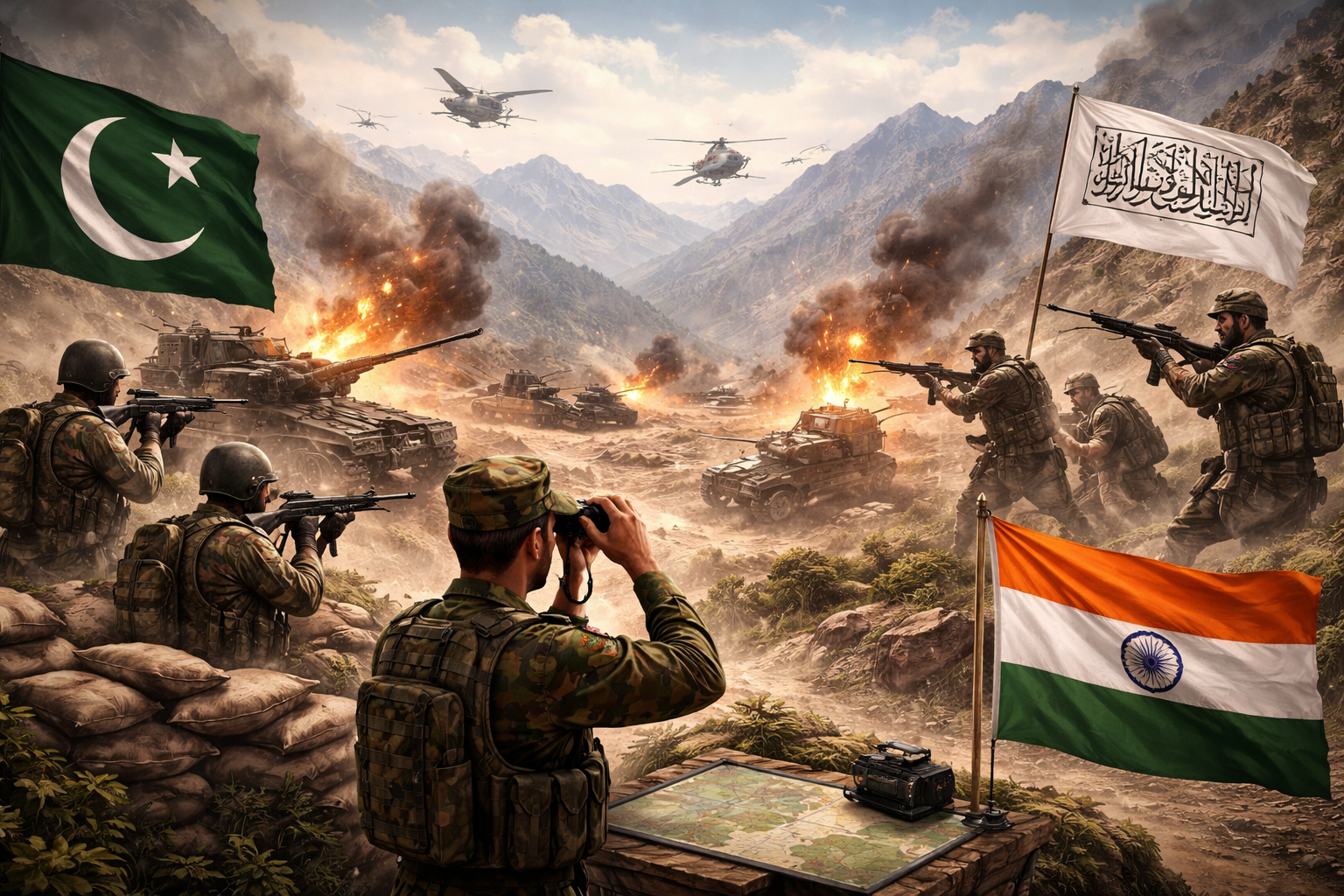
Since early 2026, Pakistan has launched several strikes into Afghanistan targeting Taliban militants, accusing Kabul of harboring the Tehrik-e-Taliban Pakistan (TTP), which Islamabad blames for cross-border attacks. Afghanistan denies these claims, and violence has continued sporadically, underscoring the fragile security situation among the neighbors.
Diplomatic openings amid ongoing conflict
Shanthie Mariet D’Souza, an Afghanistan expert and founder of the Mantraya Institute for Strategic Studies in India, highlights that the confrontation has weakened Pakistan’s traditional influence over Afghanistan. This dynamic, she says, encourages the Taliban government to diversify its external relationships, providing India with openings to expand diplomatic ties, humanitarian aid, and trade.
D’Souza cautions that India’s engagement should not be interpreted as a strategic alliance with the Taliban, given the lack of ideological alignment and the Taliban’s likely pursuit of a diversified foreign policy. India also lacks the logistical and economic leverage to fully supplant Pakistan’s role.
Perspectives from former diplomats
Former Indian ambassadors to Afghanistan offer nuanced views. Amar Sinha advised against viewing the conflict purely as a New Delhi opportunity, emphasizing that India is not seeking to exploit the fighting for strategic gain. He noted potential Indian openings as the Taliban looks for alternative partners, but also pointed out that the Taliban will likely maintain relations with other powers such as China, Russia, Iran, and Gulf states.
Gautam Mukhopadhyaya remarked that the crisis can allow India to recover lost strategic ground since the Taliban’s 2021 return to power. However, he warned that India’s restrictive policies on Afghan visas and services may harm its long-term diplomatic efforts.
Trade and connectivity challenges
India has resumed air freight routes connecting Kabul with Delhi and Amritsar, and bilateral trade reached about $908 million in 2025-26. Nonetheless, India faces significant geographic and regional barriers in replacing Pakistan as Afghanistan’s main transit route.
Efforts to boost access through Iran’s Chabahar port face constraints from ongoing conflicts in Iran and regional instability. Experts also note that Russia and China have stronger positioning to influence Afghanistan’s wider economic integration.
Pakistan’s security concerns and accusations
Pakistan views India’s growing engagement with the Taliban as a security threat. Pakistani representatives have accused India at the United Nations of providing military and logistical support to the Taliban, allegations denied by both India and the Taliban. Islamabad continues to interpret the crisis through a security lens, perceiving a potential two-front threat from India and the Taliban’s shifting relations.
While India may gain political space in Afghanistan due to deteriorating Pakistan-Taliban ties, analysts agree that the Taliban is unlikely to become an exclusive Indian ally, opting instead to balance multiple international relationships.