Rightwing populist figures in France and the United Kingdom are advancing political agendas by stoking societal disorder while promising to restore stability, reflecting a pattern in contemporary politics where appeals to law and order resonate amid public frustration.
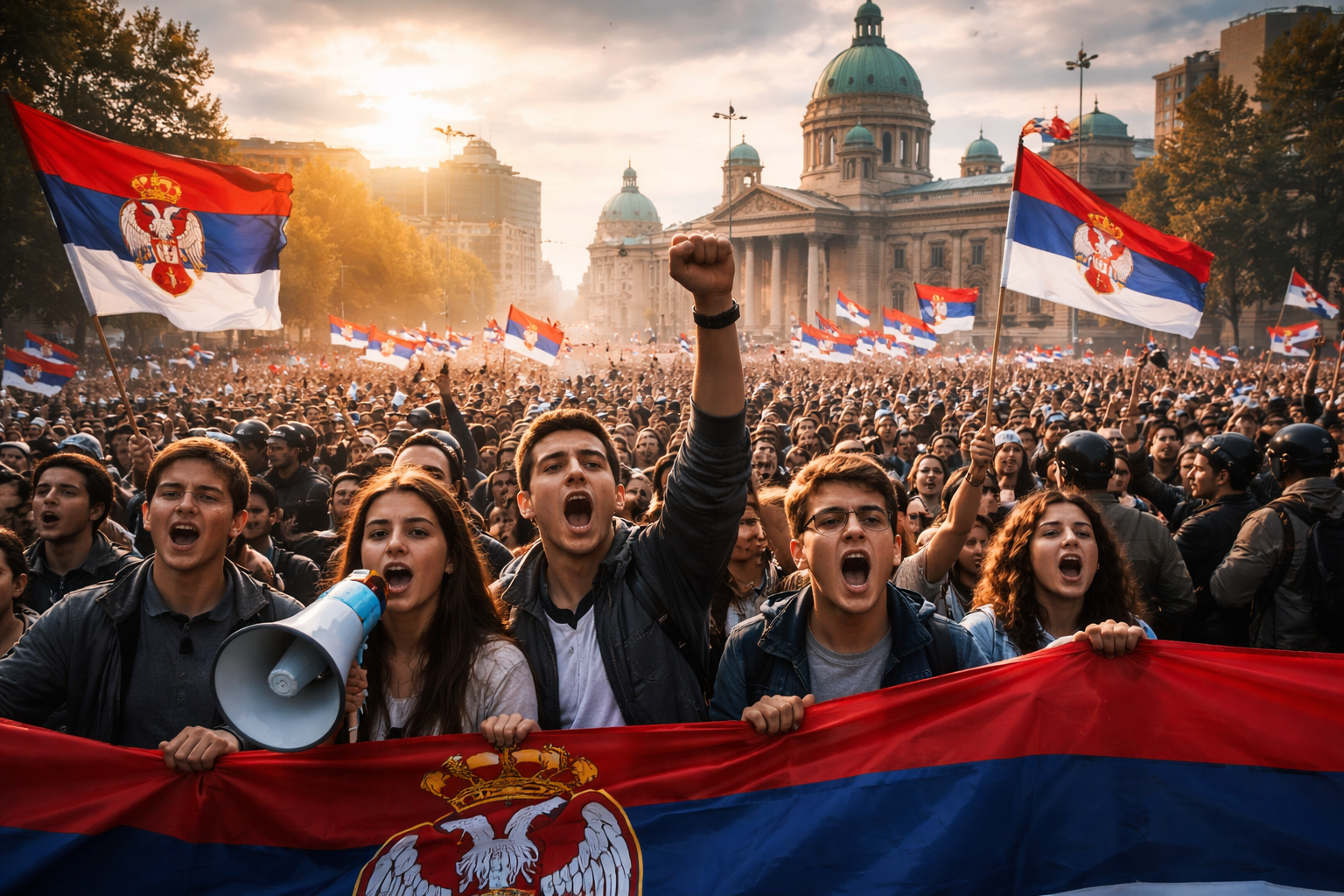
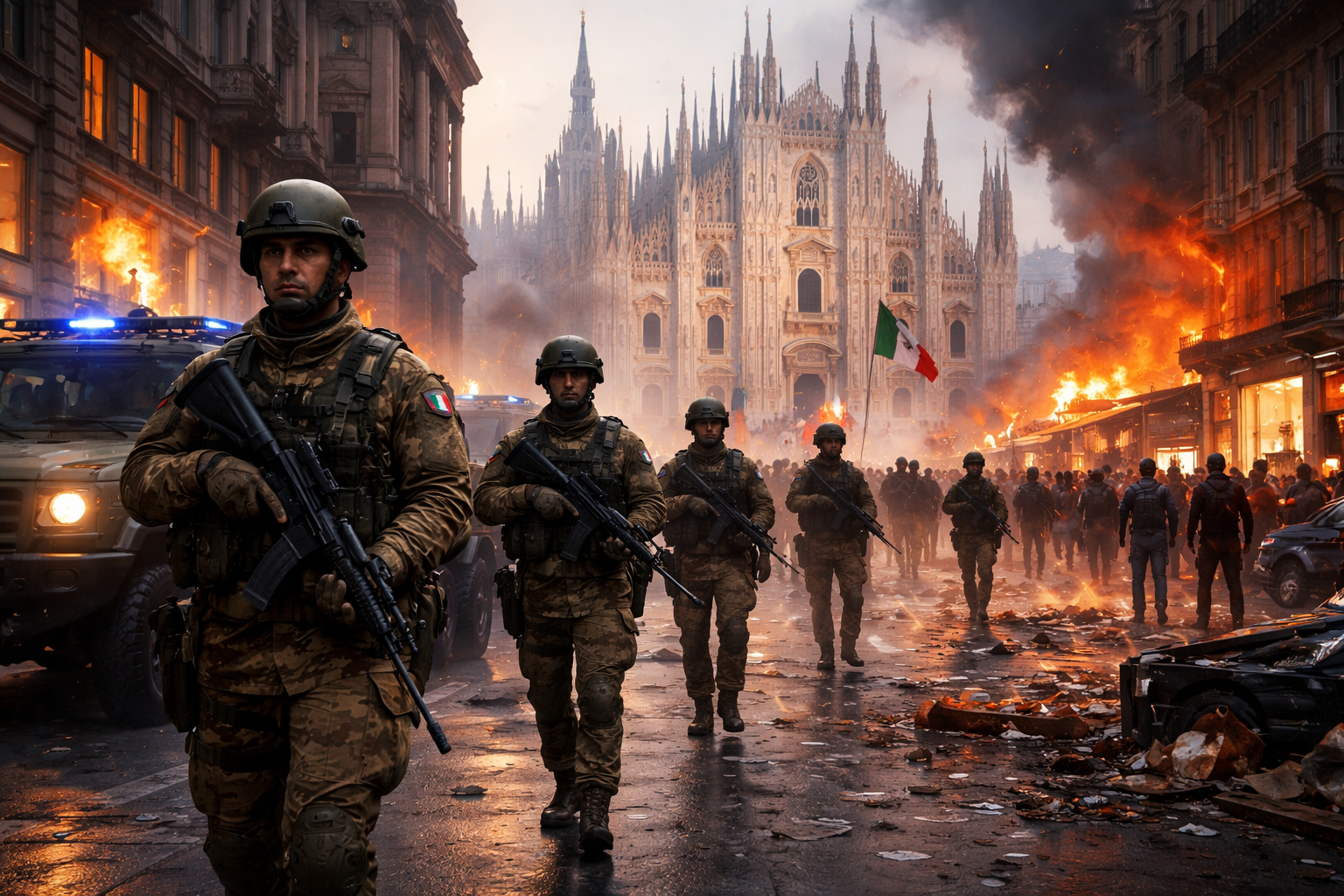
In France, Marine Le Pen, leader of the far-right National Rally, is positioned to potentially win the presidential election next year, buoyed by widespread unrest including riots and looting. These disturbances initially began as student protests focused on education issues but broadened into demonstrations against high costs of living and limited economic prospects. The government’s inability to effectively respond due to its fragile parliamentary support has intensified public anger.
Polarized Reactions as Violence Escalates
French officials have accused extremist left-wing groups of provoking violence to destabilize the country ahead of elections. On the other side, left-wing candidate Jean-Luc Mélenchon framed the protests as a response to oppressive state actions, drawing historical parallels to the revolutionary spirit of 1968. The volatility surrounding the election threatens to dismantle traditional alliances that have previously kept Le Pen out of the presidency, with current polling suggesting the conservative and centrist voters might default to her if faced with a choice between her and Mélenchon in a runoff.
Cross-Atlantic Echoes and Divergent Political Landscapes
In the United States, former President Donald Trump has referenced France’s turmoil to support immigration-related rhetoric, positioning such unrest as a consequence of liberal policies on borders. While Republican efforts highlight perceived threats of national breakdown, these narratives struggle to gain traction given Trump’s own role in fostering political chaos. Analysts note a common authoritarian trajectory where disorder is both kindled and then used to justify increasingly severe controls, a cycle seen in Trump’s approach to disputes over election legitimacy and congressional opposition.
Britain’s Rightwing Scene: Fragmented but Ambitious
Meanwhile, Britain’s radical right parties are also invoking the specter of societal collapse to further their electoral ambitions. Groups like Restore Britain openly anticipate and even embrace civil unrest as part of their political agenda, amplified on social media platforms. This environment has driven an escalation of anti-immigrant rhetoric from figures like Nigel Farage. However, unlike France, Britain’s current political stability under Labour leadership and a broadly mobilized opposition to far-right populism constrains their appeal. The collective determination to prevent Farage’s rise contrasts sharply with the volatile conditions Le Pen capitalizes on in France.
This comparative context underscores how rightwing populists leverage public disillusionment differently depending on national circumstances, but consistently rely on a narrative of chaos remedied solely by their leadership, a dynamic that poses significant challenges for democratic systems.