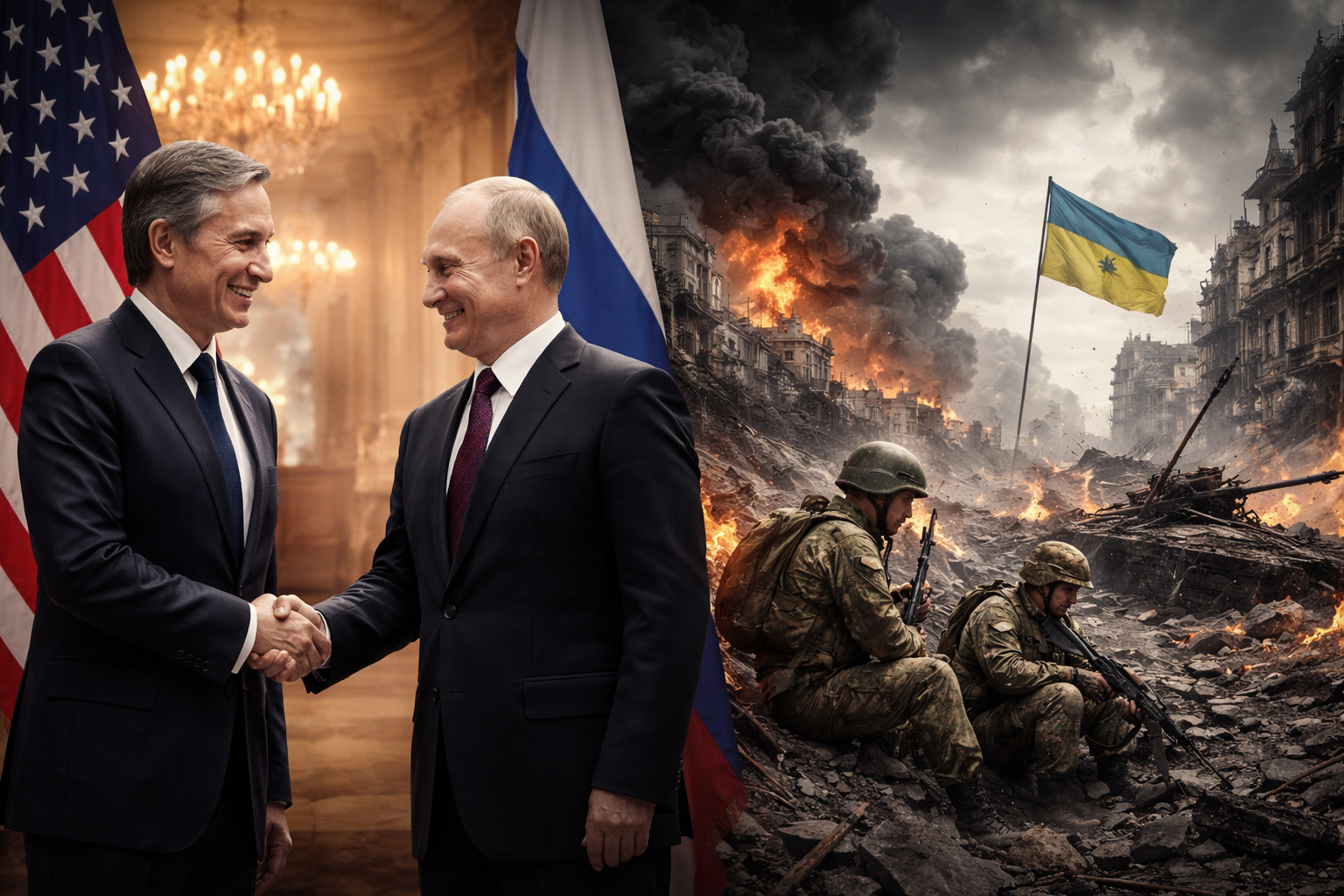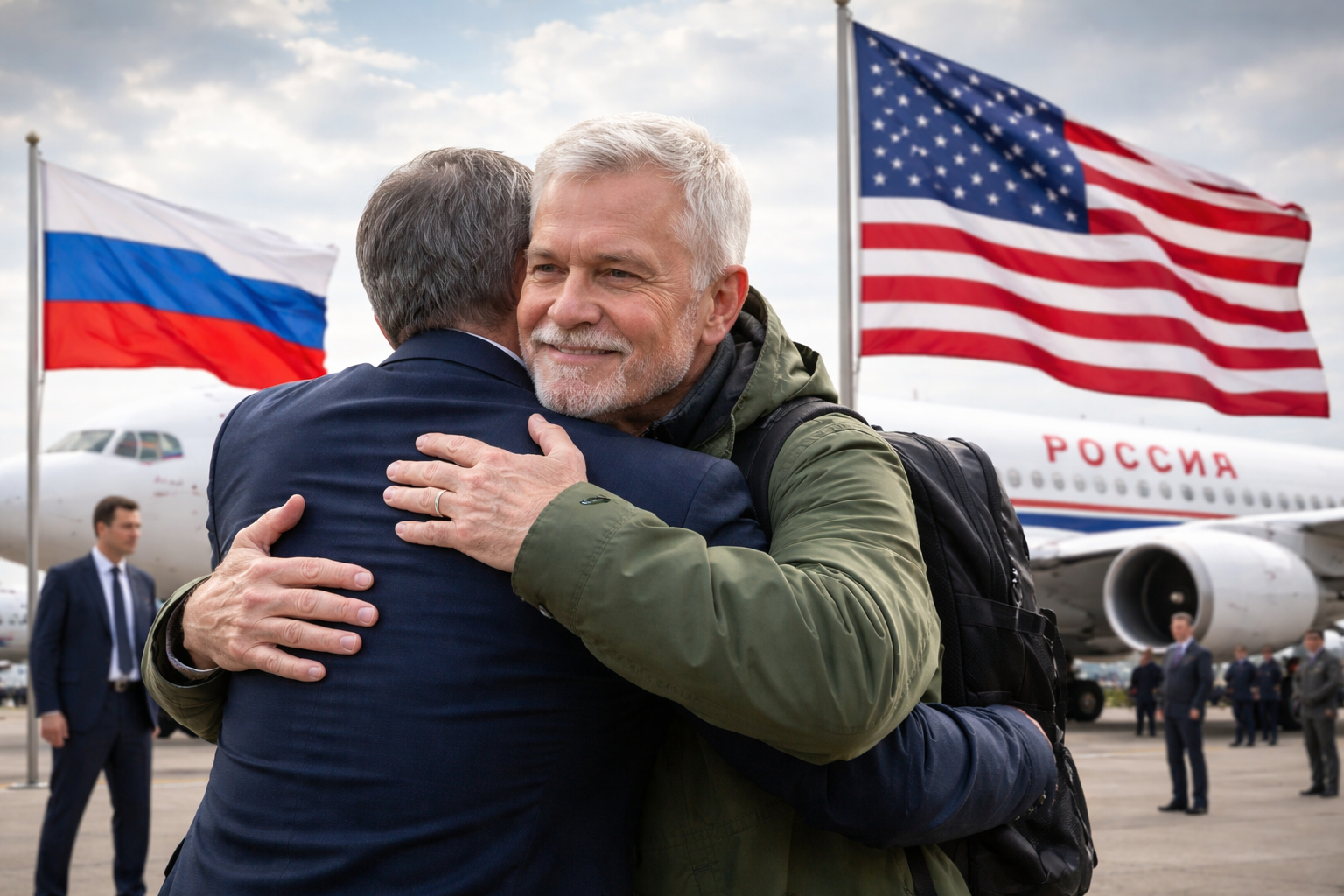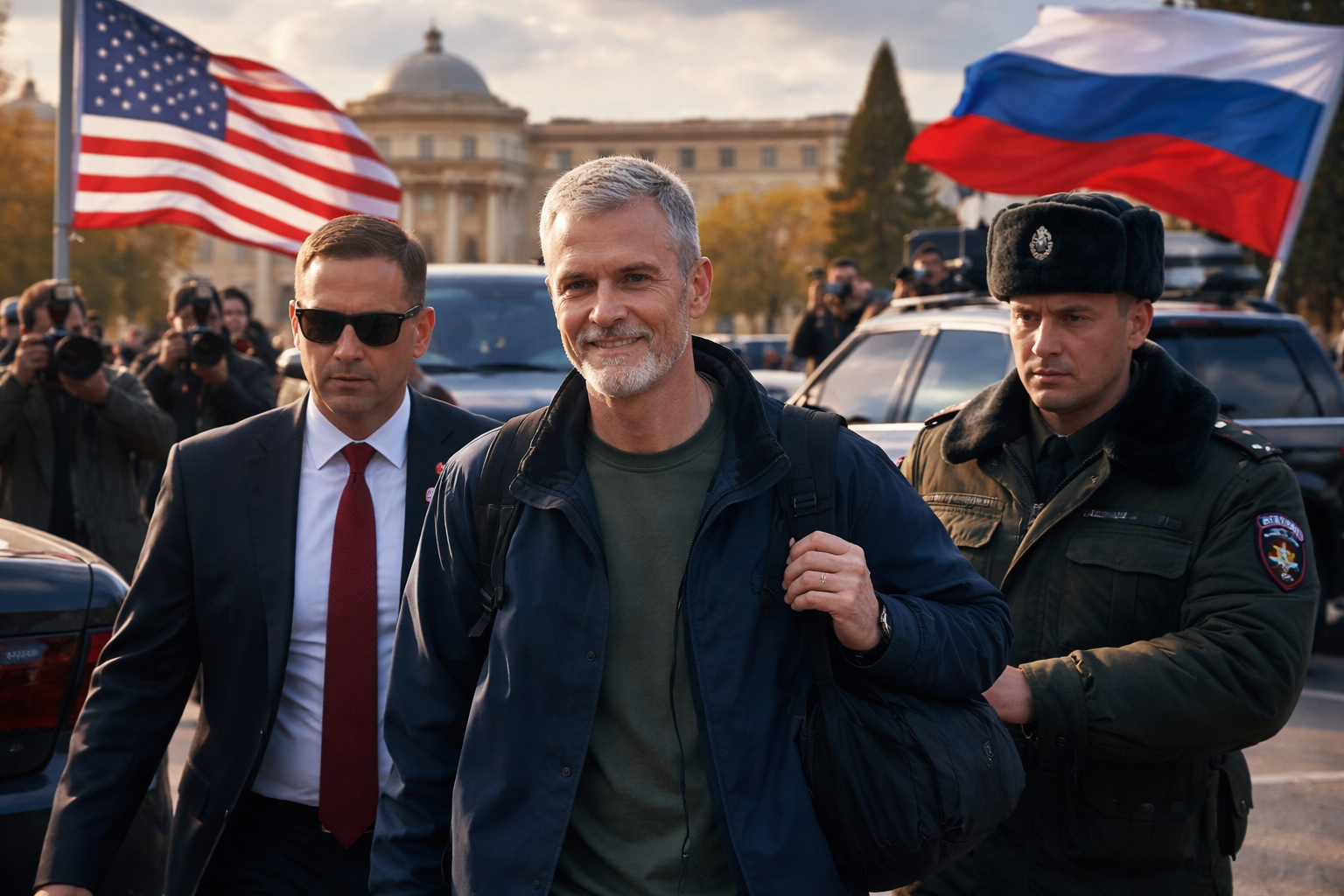
Russia has released American captive Stephen Hubbard after months of detention on mercenary charges, according to announcements during high-level talks in St. Petersburg. The release was confirmed by Russian leadership while U.S. special envoy Steve Witkoff was present, and Hubbard was reported to be en route home to his family in the United States.
The freed American had been sentenced to seven years in prison after a closed trial in 2024, with Russia accusing him of mercenary activities—a charge Hubbard denies. The release was framed as a goodwill gesture connected to ongoing diplomatic efforts involving Russia, Ukraine, and the United States aimed at resolving the conflict in Ukraine.
U.S. leadership noted direct involvement in securing Hubbard’s freedom, citing recent phone communications with Russian officials. The situation also feeds into broader discussions about resuming trilateral peace talks and improving diplomatic relations among the concerned nations.
Details of Stephen Hubbard’s Detainment and Release
Stephen Hubbard was detained by Russian forces over allegations of mercenary involvement, an accusation he has rejected throughout his captivity. His trial and sentencing occurred behind closed doors in 2024, resulting in a seven-year prison term. The announcement of his release came during a meeting in St. Petersburg between Russian authorities and U.S. envoy Steve Witkoff.
President Vladimir Putin publicly stated that Hubbard was already at the airport departing Russia, while Witkoff confirmed he was returning to his family. U.S. representatives have emphasized that the release required no reciprocal concessions, describing it as an unprecedented move by Russia.
Diplomatic Context and Implications
The release of Hubbard coincided with ongoing diplomatic negotiations aimed at ending the conflict between Russia and Ukraine. Witkoff brought forth proposals for a peace deal, although Kremlin officials described these as lacking substantive content. Despite this, Russian leadership agreed in principle to resume peace talks after November 10, involving delegates from Russia, Ukraine, and the U.S.
Russian advisers mentioned that future discussions should focus on establishing a security framework for Russia and Ukraine post-conflict. Additionally, there were proposals for renewed dialogue to restore bilateral ties between Washington and Moscow. Speculation also emerged about a potential trilateral meeting including the U.S., Russia, and China in Beijing.
Reactions and Further Developments
In the wake of Hubbard’s release and diplomatic exchanges, the Ukrainian leadership has called for freezing the front line as a preliminary step to ceasefire negotiations. European Union representatives at recent talks have expressed interest in further debriefings from Washington following the latest discussions.
The U.S. and Russian envoys have planned to continue consultations, with additional meetings expected in Oslo. Norwegian officials noted a possible new phase in diplomatic efforts as Russia appears more open to exploring dialogue options amid the ongoing conflict.