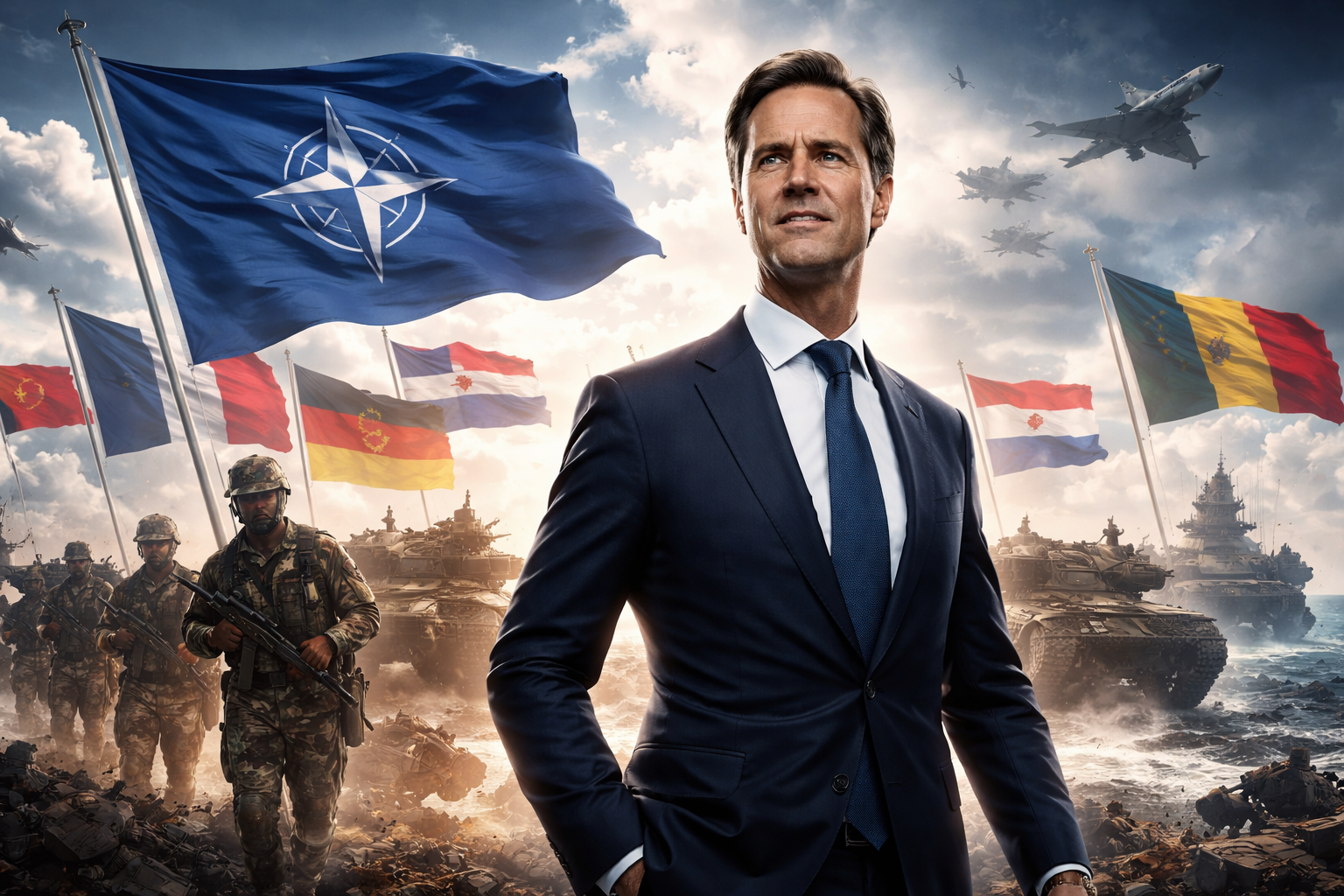
Amid ongoing Russian aggression in Ukraine, NATO’s Mark Rutte emphasized that European countries are increasingly recognizing the urgent need to take greater responsibility for their own security by boosting defense spending. Speaking in Berlin, Rutte described Russia’s actions as “reckless, dangerous, and a threat to life,” while insisting that such hostility only strengthens Europe’s resolve to back Ukraine.
Rutte noted the scale of Russia’s losses in the war—estimated at over 40,000 killed or seriously wounded each month—yet highlighted President Putin’s refusal to end the conflict. Instead, Russia continues its attacks on Kyiv and other Ukrainian regions, targeting civilians and infrastructure. Beyond direct assaults, Rutte warned about Russia’s expanding hybrid tactics across Europe, including cyberattacks, sabotage, arson, airspace violations, and drone incidents.
Growing European Responsibility and Defense Cooperation
Reflecting a shift in European defense posture, Rutte pointed out that for years Europe believed it could depend on the United States to handle security challenges. “There was a belief that we could continue doing more with less,” he said. However, recent years have brought a mindset change, with Europeans acknowledging that “taking greater responsibility for our own security is not optional.”
Rutte stressed that rebuilding armed forces and strengthening the defense industrial base is vital not only for Europe’s security but for economic benefits as well. He reminded that security efforts are “not something the U.S. should do for us, but with us.”
Addressing Domestic and Alliance Challenges
During a discussion, Rutte was asked about the commitment of the United States to defend Europe. He expressed full confidence that the U.S. would continue its defense role despite occasional tensions within NATO related to defense spending. Rutte acknowledged political challenges but maintained that elected leaders across Europe would support sustained investment in defense and aid to Ukraine.
German officials also underlined the necessity of defending democratic systems from internal threats. German politician Jan-Christian Wadephul invoked lessons from the Weimar Republic, urging vigilance to protect democracy from rising radicalism and hybrid warfare tactics, such as drone attacks aimed at undermining social cohesion.
Europe’s Unified Front Against Russian Hybrid Warfare
Rutte characterized Russia’s growing list of hostile hybrid activities as indicative of a desperate regime seeking to destabilize Europe and weaken support for Ukraine. Yet, he expressed confidence that these tactics are backfiring, fostering greater unity and resilience across the continent. The European commitment to increased defense spending and collective security marks a significant response to the multifaceted threat posed by Russia’s ongoing war and hybrid tactics.