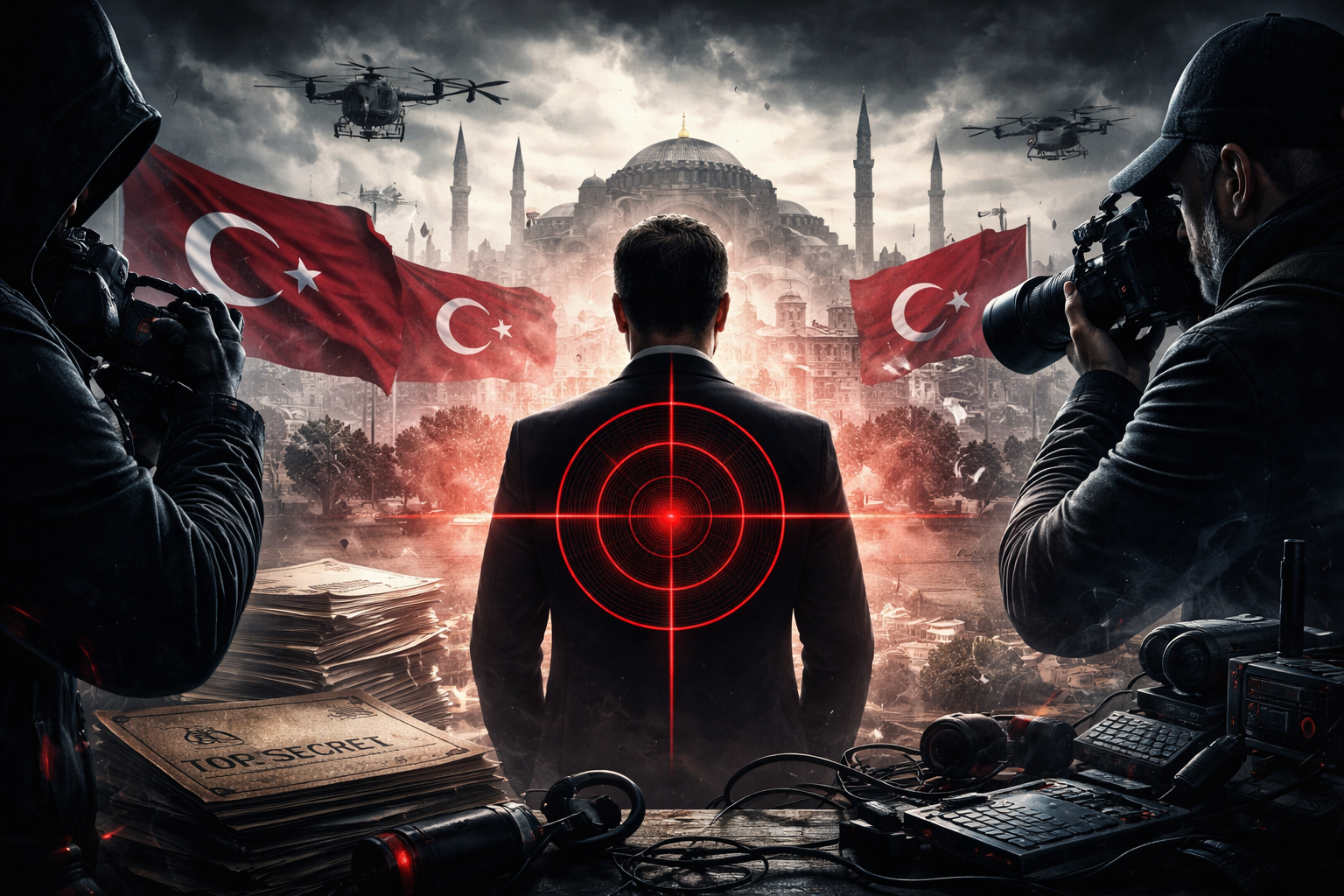
Yonca Verdioglu Sik, a project coordinator for the German Heinrich Böll Foundation based in Turkey, was detained and questioned last Wednesday in Istanbul amid accusations of political and military espionage. Although interrogation transcripts reveal no questions directly about espionage, authorities scrutinized the foundation’s financial transactions, reflecting growing legal pressure. Verdioglu Sik was released but remains subject to a travel ban.
Her husband, investigative journalist and Turkish Parliament member Ahmet Sik, is a prominent critic of Turkey’s ruling Justice and Development Party (AKP) and recently investigated a stock market scandal implicating AKP affiliates. Opposition figures interpret the detention of Verdioglu Sik as a tactic to circumvent parliamentary immunity by targeting close associates.
Using Espionage Allegations to Target Opposition
Since the failed 2016 coup attempt, Turkey has increasingly used espionage accusations against journalists, opposition politicians, and NGO workers to suppress dissent. These charges often lead to long pretrial detentions or social stigma, even if convictions on espionage rarely occur. Notable cases include accusations against former Istanbul mayor and Erdogan rival Ekrem Imamoglu, and human rights activist Osman Kavala, who remains imprisoned despite multiple acquittals of espionage charges.
Diplomatic Fallout and ‘Hostage Diplomacy’
Espionage allegations have also triggered diplomatic conflicts, involving journalists such as Can Dundar, Erdem Gul, and Deniz Yücel, as well as foreign embassy staff. US pastor Andrew Brunson’s arrest on alleged connections to Kurdish groups led to tense negotiations that reflected Turkey’s use of such charges as leverage in foreign relations. Hakki Tas, an expert from the German Institute for Global and Area Studies, describes this as a recurring strategy that influences both domestic suppression and foreign policy signaling.
Domestic Implications for Civil Society and Opposition
Contact with foreign organizations, funding, or salaries increasingly pose risks for activists and politicians, creating a chilling effect on democracy and civil society in Turkey. Media outlets and NGOs critical of the government have faced investigations and prosecutions under new foreign agent laws and security-related charges. These measures convey a clear message that collaboration with international entities may attract scrutiny or punishment amid Turkey’s political climate.