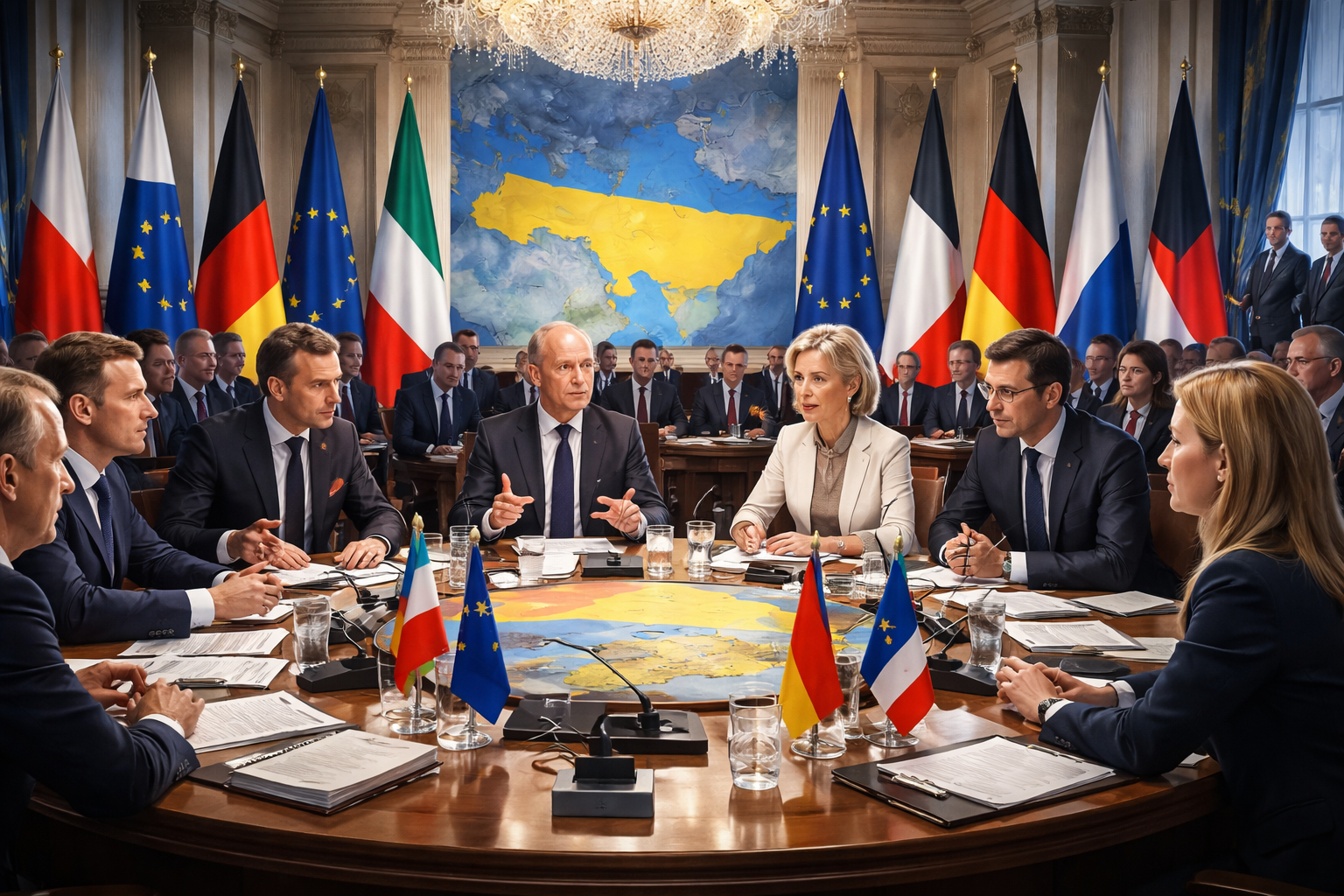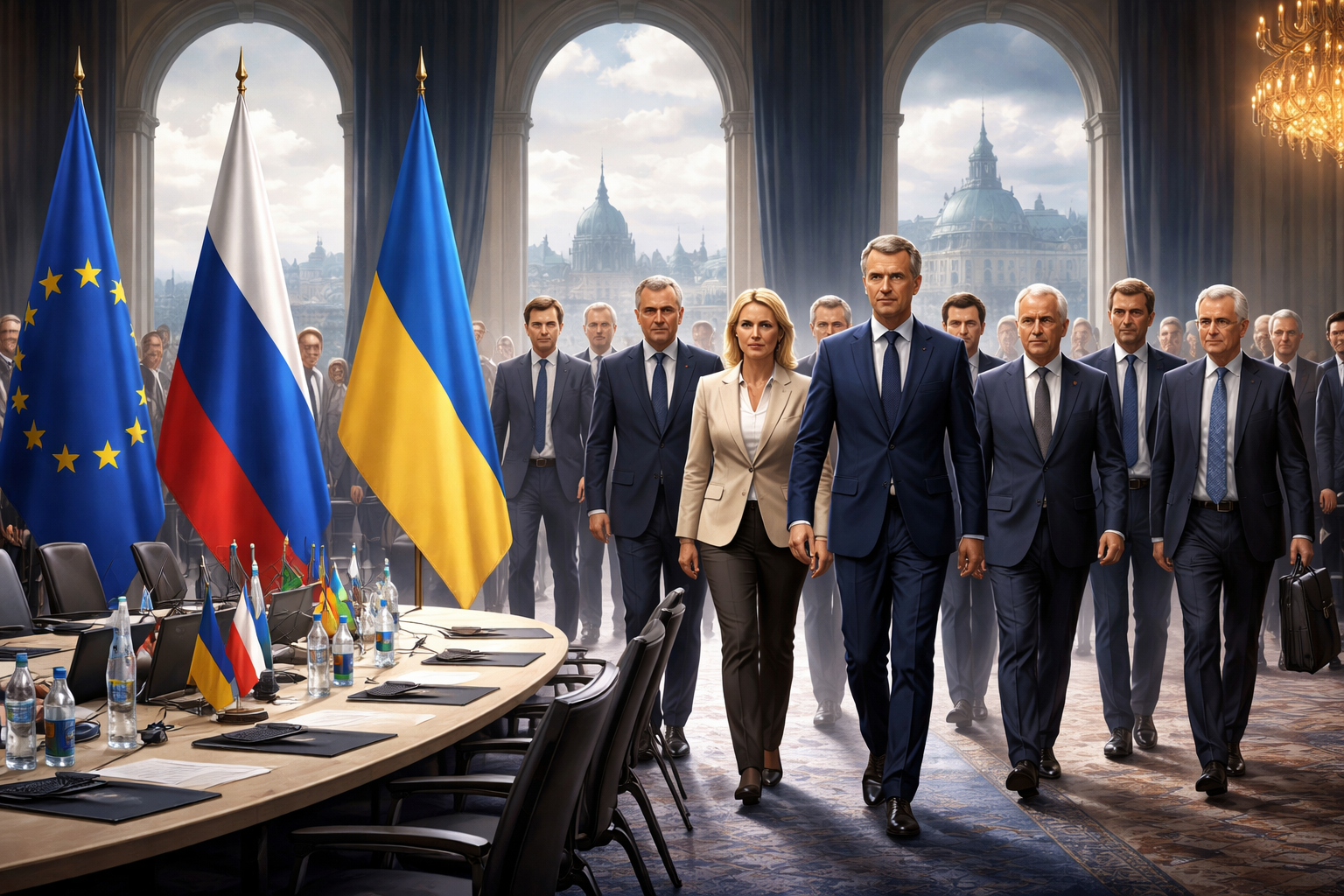
European leaders have announced plans to participate in upcoming peace talks aimed at ending the conflict between Russia and Ukraine, with the European Union set to field a five-nation delegation. According to European Council President Antonio Costa, the group will speak with a unified voice alongside France, Germany, Italy, Poland, and the United Kingdom. This comes amid mixed signals from Moscow about European involvement and ongoing disagreements within the EU over representation.
The announcement followed remarks by US envoy Jared Kushner, who said Russian President Vladimir Putin expressed willingness to engage with European representatives at the peace negotiations. However, Russian Foreign Ministry spokeswoman Maria Zakharova directly contradicted Kushner’s statement, asserting that European participation was not discussed during recent talks in Moscow.
European Unity and Representation Challenges
Despite years of conflict in Ukraine, Europe has yet to agree on a single representative for the peace process. The EU’s foreign affairs chief Kaja Kallas stated she represents Europe’s foreign and security policy but acknowledged Moscow’s resistance to having her as the EU negotiator. Meanwhile, several EU member states are advocating for a diplomatic team rather than a lone figure to represent European interests.
European leaders stress the importance of presenting a clear, united position to influence the future security landscape of the continent. Latvian Prime Minister Andris Kulbergs highlighted Europe’s demographic, economic, and military advantages over Russia, urging a firmer stance in the negotiations.
Moscow’s Conditions and Skepticism
Kremlin spokesman Dmitry Peskov emphasized that Russia needs to understand the EU’s genuine intentions before agreeing to expand the current trilateral negotiation format. Russian lead negotiator Vladimir Medinsky claimed that no concrete peace proposals have yet been received from European countries. This stance suggests Moscow remains cautious about Europe’s role in the talks, signaling ongoing diplomatic hurdles.
US-Russian Discussions and European Coordination
The previous trilateral meetings with the United States have seen both cooperation and tensions. German Chancellor Friedrich Merz urged the US not to create surprises during an upcoming meeting between President Trump and Vladimir Putin, urging a coordinated approach aligned with European and Ukrainian interests. Merz also confirmed Germany’s expected involvement in the next round of Ukrainian peace discussions.
The evolving diplomatic environment marks a shift from the Trump administration’s earlier posture, which appeared indifferent to European inclusion. Current developments indicate increased transatlantic cooperation, with Kushner acknowledging that peace talks cannot conclude without European participation.