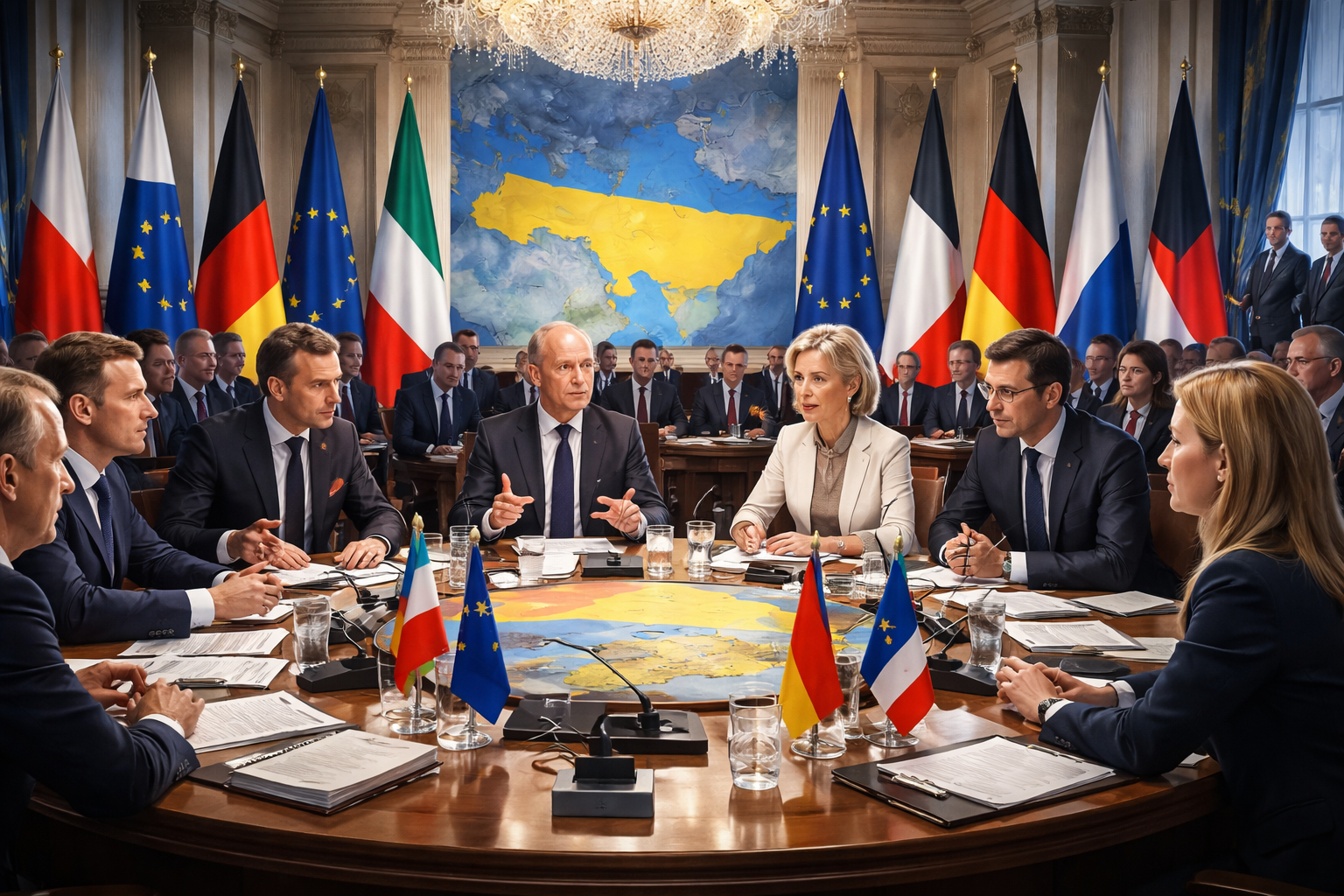
European leaders face mounting pressure to name a representative for upcoming peace talks aimed at ending the war between Russia and Ukraine, following remarks by US envoy Steve Witkoff that Europeans will attend future meetings. The discussions come amid visible frustration within the EU over being sidelined while the United States holds a prominent role in the negotiations.
At a summit in Dublin involving 47 European leaders, EU foreign policy chief Kaja Kallas expressed irony when asked why Europe has only one seat at the negotiating table compared to the US holding two. This sentiment reflects the broader unease among European leaders over their limited influence so far.
Division Within Europe Over Representation
EU member states have yet to agree on a single figure to lead their delegation in the peace talks. Candidates frequently mentioned include Kallas and EU Council President Antonio Costa, but many national leaders prefer to attend personally rather than delegate authority. German Chancellor Friedrich Merz insisted that Europe must be represented at the talks alongside Ukraine, the US, and Russia but downplayed the appointment of a dedicated envoy.
The fragmentation has sparked public tensions, with Italian Prime Minister Giorgia Meloni criticizing the lack of unity in a sharply worded letter to Costa, warning that a disunited Europe inadvertently benefits parties wishing the conflict to continue. Meanwhile, reactions among leaders vary; some, like Slovenian Prime Minister Janez Jansa, voiced concern about rising frustrations, while others, such as Latvian Prime Minister Andris Kulbergs, downplayed the issue.
Ukraine’s Call for European Involvement
Ukrainian President Volodymyr Zelenskyy emphasizes the need for consistent European participation in peace negotiations, though he notes that involvement has been limited especially when Russia is directly present at the table. He urged European leaders to ensure their role becomes regular and substantive in ongoing discussions.
Concerns Over Security and Negotiation Terms
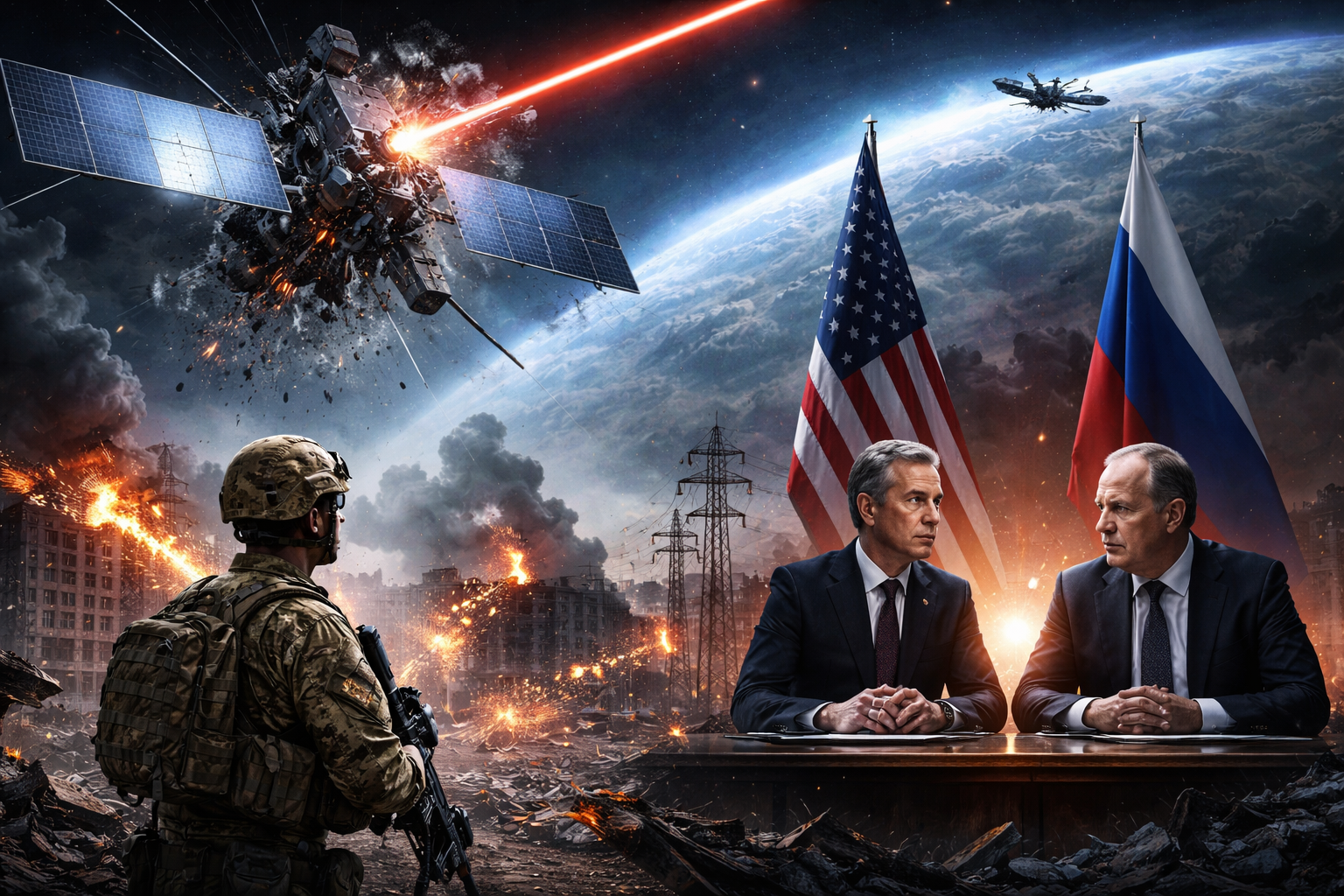
European leaders at the Dublin summit expressed apprehension that the US might accept Russian demands compromising European security structures, particularly those related to NATO. Russian President Vladimir Putin has suggested Ukraine’s NATO membership must be ruled out and proposed reversing the alliance’s expansion to include Finland and Sweden.
During meetings in Moscow with Trump administration advisers Jared Kushner and Steve Witkoff, Putin warned that deploying NATO troops in Ukraine post-agreement would provoke renewed conflict, a scenario European officials find concerning. Leaders in countries bordering Russia, like Estonia and Latvia, view such concessions as potentially dangerous and question the logic of negotiating defense measures with an adversary.
Financial Support Challenges Overshadow Diplomacy
Amid the debate over representation and negotiations, EU leaders are also grappling with funding shortfalls for Ukraine’s war-ravaged economy. The European Commission highlighted a €70 billion gap in aid earlier this year. Some leaders, like Slovakia’s Robert Fico, oppose additional support, while others warn that failure to finance Ukraine adequately could stall broader EU budget agreements. German Chancellor Merz threatened to block the EU’s multi-year budget unless members commit to Ukraine funding, a move seen by critics as coercive.