
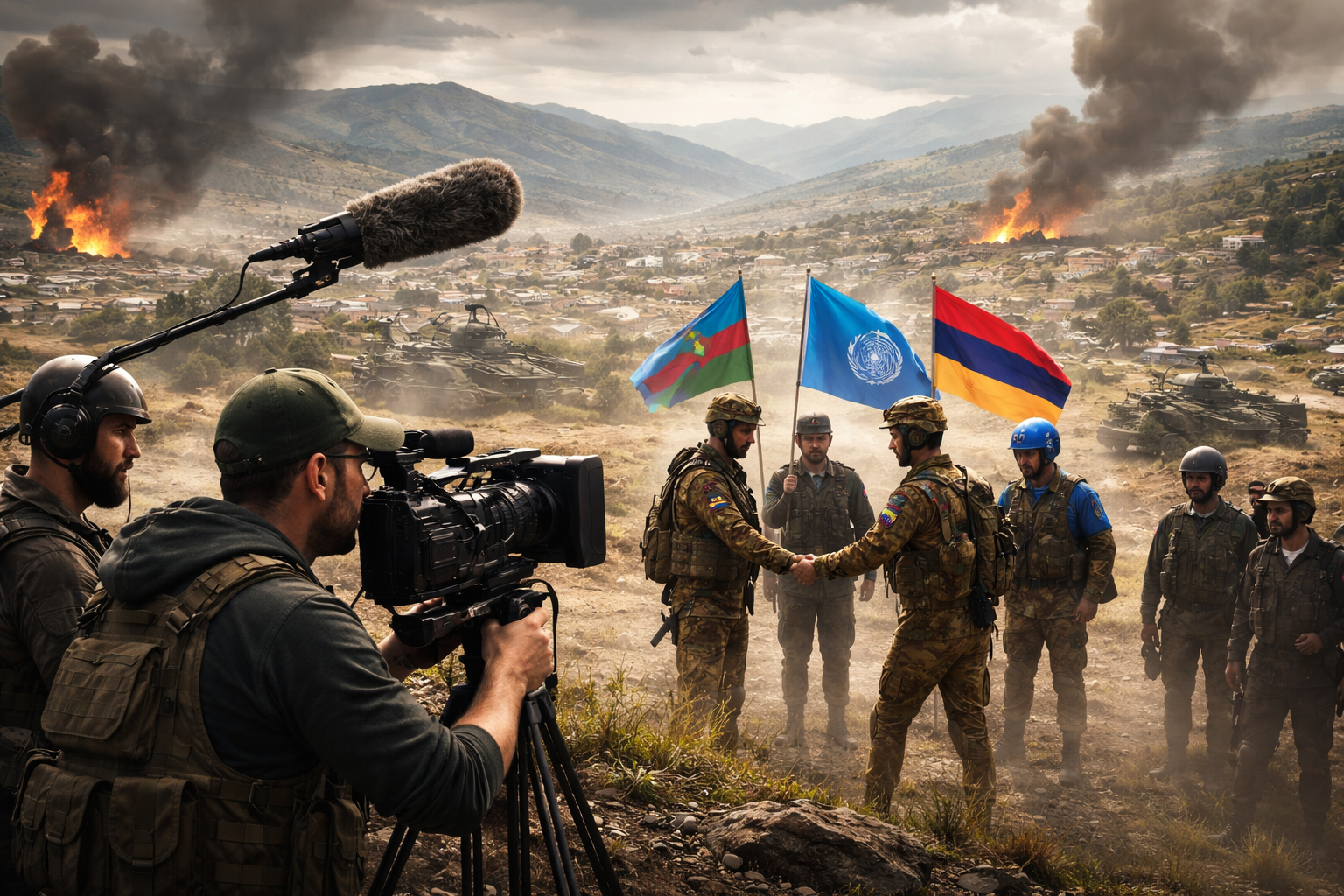
The film The Black Garden has been criticized by an official from the Azerbaijani Embassy in London for presenting a highly nationalistic perspective on the Nagorno-Karabakh conflict, despite raising valid concerns about the human costs of war. The letter from Gúnel Salimova, counselor at the embassy, outlines significant suffering endured by Azerbaijan, including thousands killed, approximately 4,000 missing, and around one million internally displaced persons and refugees.
The conflict originated in the 1990s after Armenian forces occupied the Nagorno-Karabakh region, internationally recognized as part of Azerbaijan. The United Nations Security Council repeatedly called for an end to this occupation. In 2020, Azerbaijan regained control over its territory, yet the consequences linger, with landmines planted during years of occupation still causing civilian casualties—436 people have been killed or injured by mines from 2020 to 2026.
Ongoing Efforts Towards Peace and Cooperation
Salimova critiques the film and accompanying article for their untimely focus on negativity surrounding past hostilities. Instead, she emphasizes the positive developments currently shaping Azerbaijani-Armenian relations. Both countries have made steady progress toward lasting peace, including regular meetings of border delimitation commissions and growing confidence-building measures.
Recent dialogues between Azerbaijani and Armenian leaders have highlighted practical benefits of peace agreements, such as increased Azerbaijani exports to Armenia and transit routes through Azerbaijan. Discussions have also included transformative connectivity projects that could impact the wider region, reflecting a shift toward economic and diplomatic collaboration rather than division.
Human Cost and Regional Context
While recognizing the tragic human toll of the conflict, particularly on Azerbaijan, the Azerbaijani official calls for a focus on current progress that might foster durable stability. The letter implicitly urges the international community and media to highlight constructive dialogue and cooperative initiatives that promise a more peaceful future for both nations and the region.