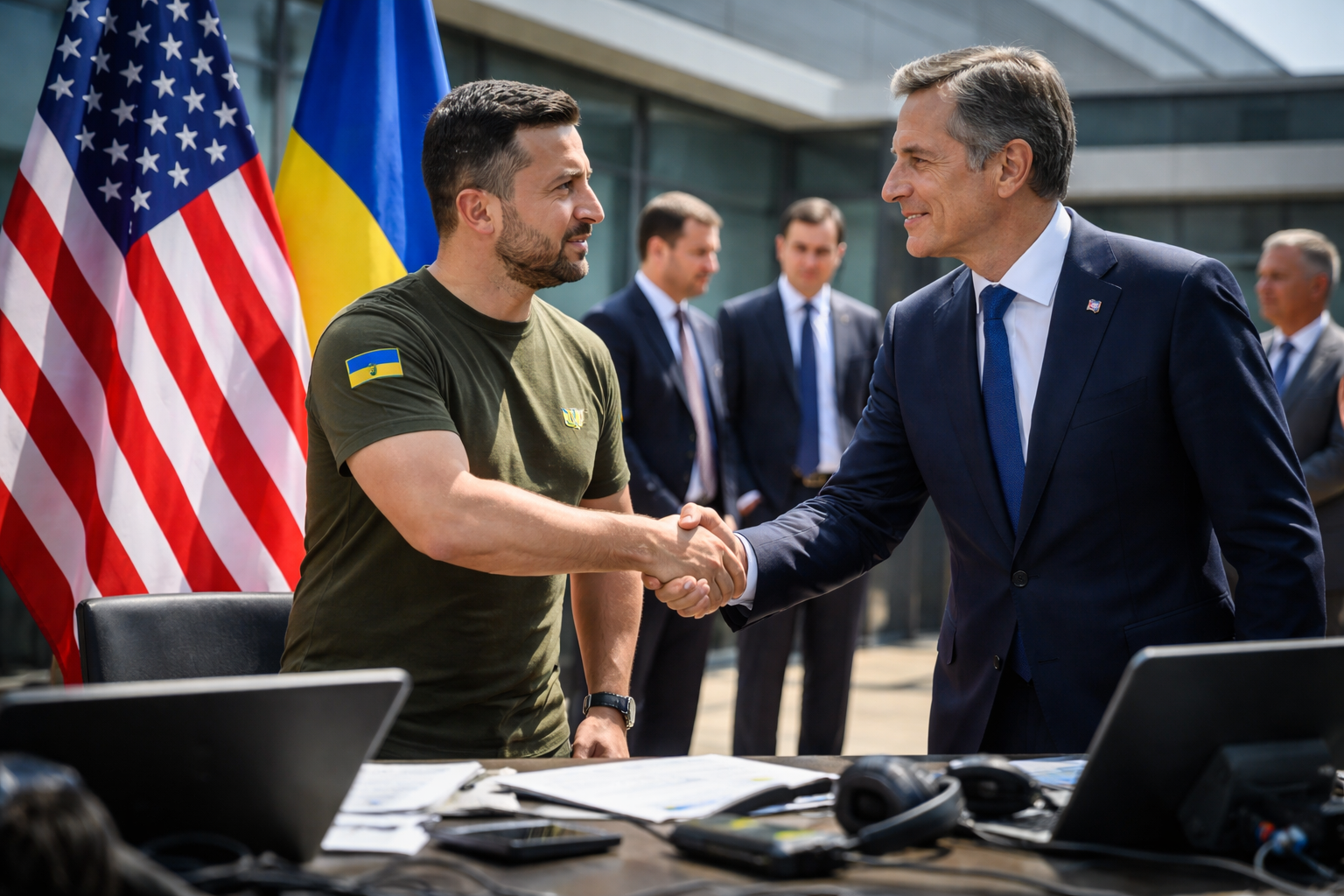
Ukrainian President Volodymyr Zelensky said on Tuesday that intelligence sharing from the United States is “working now” after talks in Oslo with Steve Witkoff, a special envoy for former President Donald Trump. This development comes amid previous Ukrainian accusations that Washington was withholding critical intelligence on Russian missile attacks, a claim denied by US officials.
The meeting in Oslo included Finnish President Alexander Stubb and Norwegian Prime Minister Jonas Gahr Støre. While the participants reported progress on peace proposals, details were scarce, and Stubb urged patience. The next step involves Russia’s response to the agreements when Witkoff visits St. Petersburg.
Improved Early Warnings and Satellite Access
Speaking after the talks, Zelensky expressed gratitude for the improved early warning systems that allow Ukrainians to detect incoming ballistic missiles. He credited the United States for enabling this capability, which is vital for protecting civilians. Zelensky also expressed hope for better access to SpaceX’s Starlink satellite service, which recently faced speed restrictions that affected Ukraine’s drone strike operations.
Despite affirming Ukraine’s readiness for negotiations to end the war, Zelensky emphasized the ongoing human cost as Russia continues its attacks.
Diplomatic Context and Reactions
The talks follow a period of strained US-Ukraine relations, with Trump publicly suggesting Ukraine needs a new leader and other negotiators. Trump reiterated his desire for Kyiv to negotiate a deal and end the conflict, stating that Russia seeks a resolution.
Russian President Vladimir Putin has not publicly responded to the Oslo discussions, but Russian Foreign Minister Sergei Lavrov indicated the Kremlin is open to hearing Witkoff’s proposals yet ruled out any political concessions.
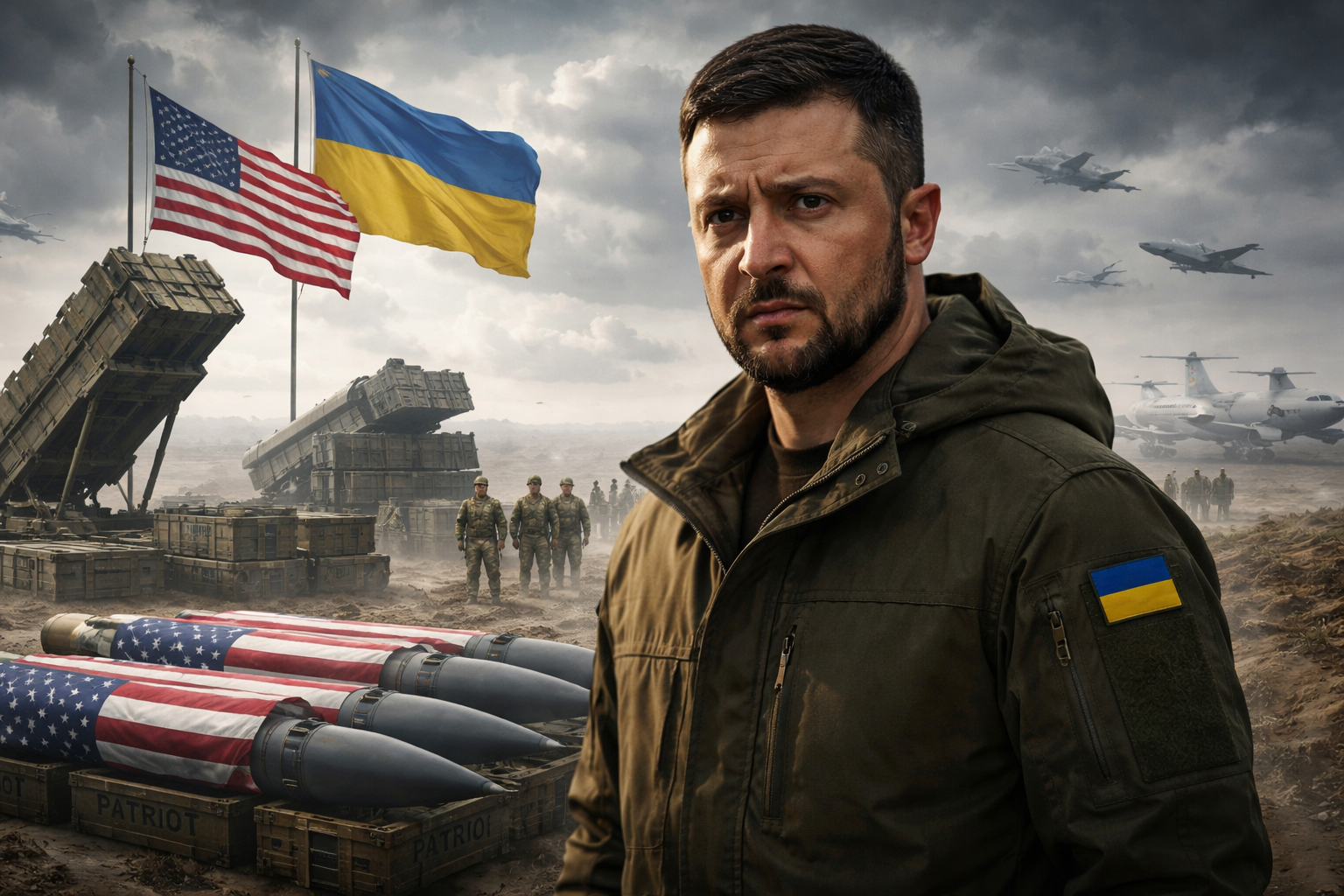
Meanwhile, US Secretary of State Marco Rubio dismissed Kyiv’s intelligence withholding claims as “scandalous,” and acknowledged that some US Patriot missile interceptors promised to Ukraine had not yet arrived, while stressing no aid has been intentionally withheld.
European Leaders Advocate Continued Involvement
European leaders, including German Chancellor Friedrich Merz, described recent US messaging toward Russia as “mixed” and underscored the importance of a coordinated joint effort to resolve the conflict. Norway’s Prime Minister Støre stressed that Europe must remain engaged in any future peace talks.
The ongoing war, initiated by Russia’s 2022 invasion that has occupied roughly 20% of Ukrainian territory, remains marked by continued drone attacks resulting in civilian casualties across Kyiv, Donetsk, and Dnipro regions.