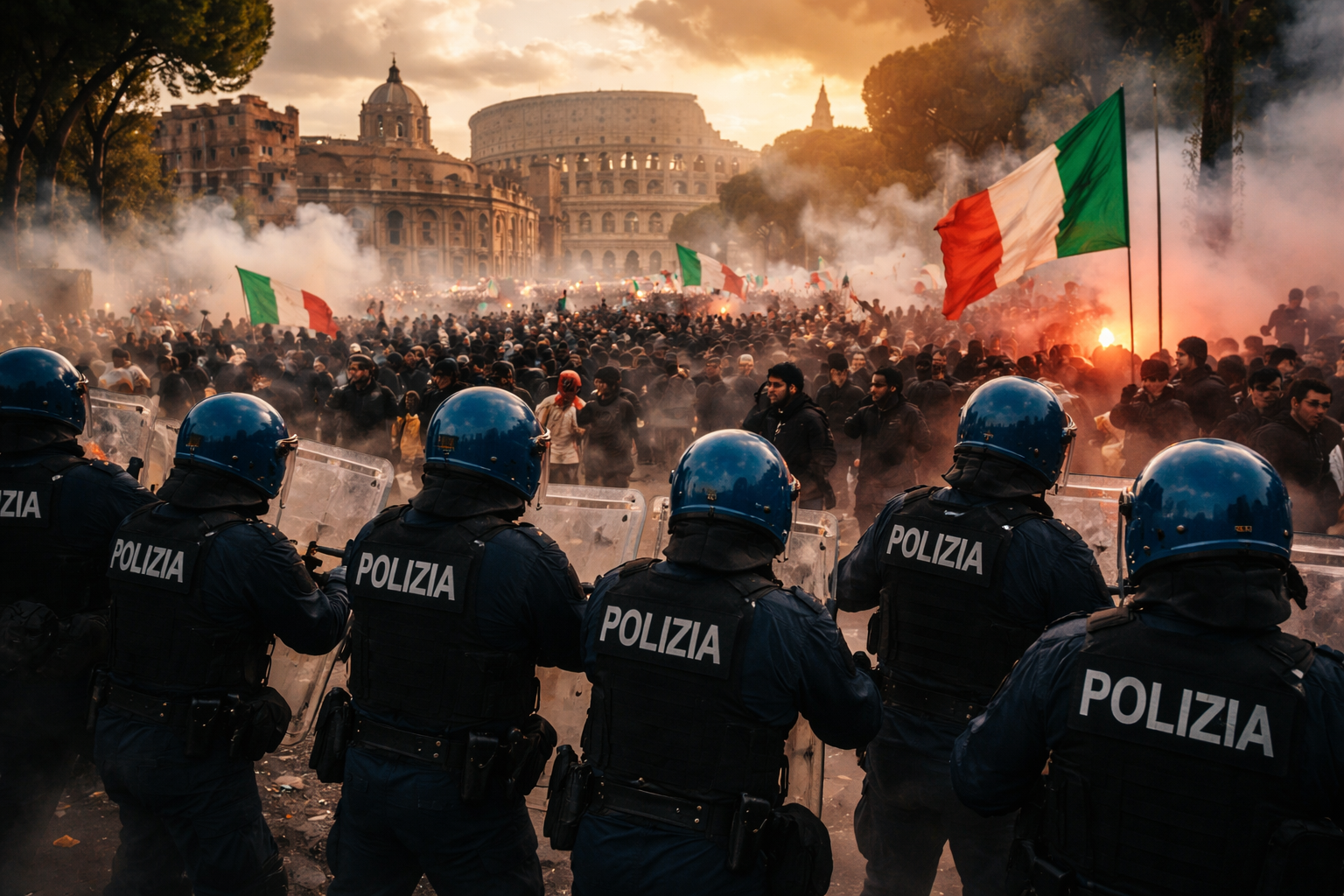
Italy is preparing to implement tougher security measures after widespread protests over the weekend disrupted several cities. Deputy Prime Minister Matteo Salvini announced that police would have the authority to detain individuals under 18 years old for up to 12 hours, even if they have not committed a crime, provided there is evidence they pose a danger.
The measures, set for approval at an upcoming cabinet meeting but not yet formally announced, also include banning public gatherings for those considered a threat to public order.
Details and Impact of Weekend Protests
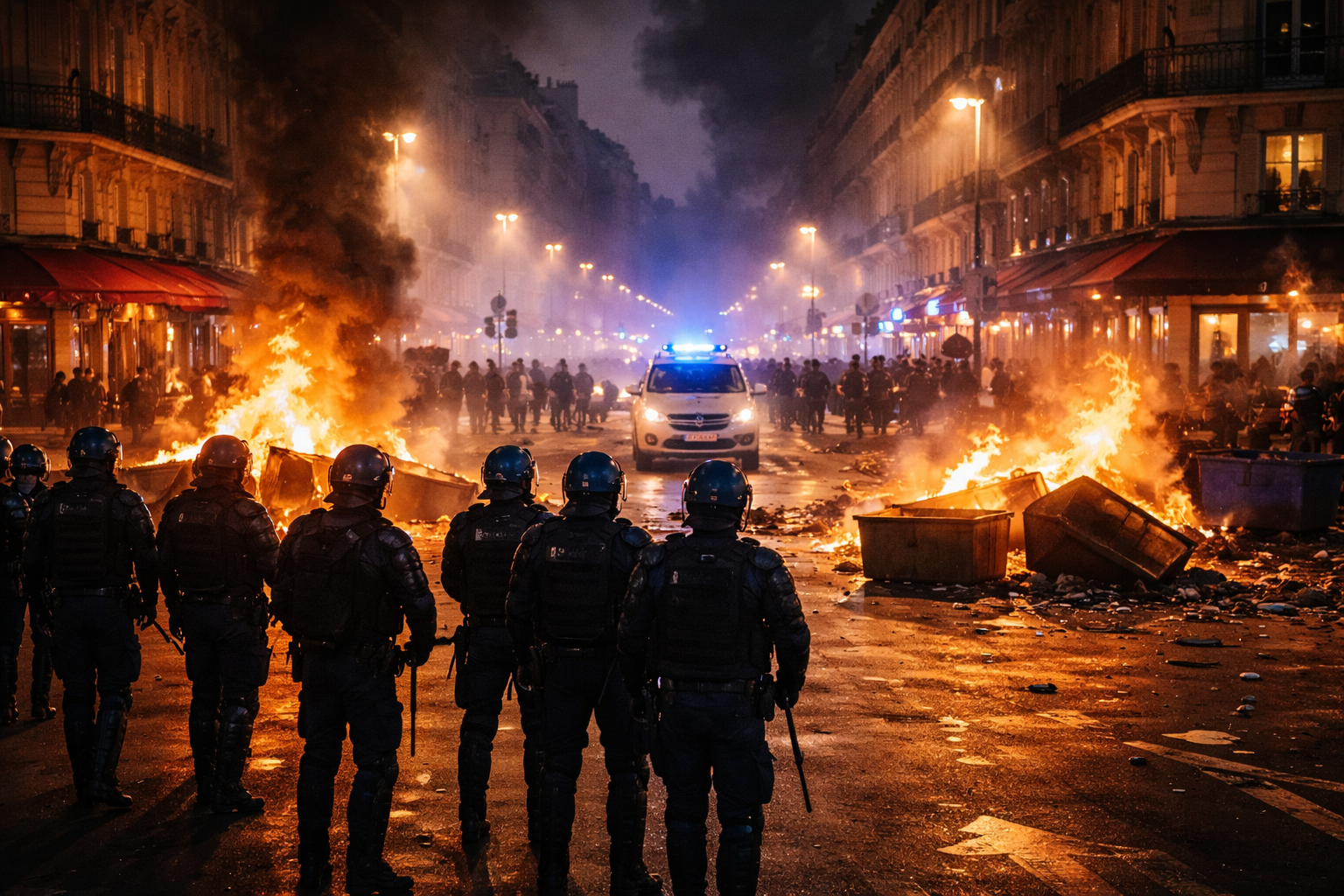
During the recent weekend, thousands rallied peacefully against rising living costs in northern Italian cities. However, some protests escalated into violence. In Milan, where over 5,000 people gathered, several hundred demonstrators—many believed to be minors—set fires to trash bins and looted shops. The unrest led to the deployment of 500 army troops in Milan to help restore order.
Simultaneously, in southern Italy, farmers and truckers blocked ports and highways to protest soaring fuel prices linked to the US-Israel conflict with Iran, intensifying the nationwide unrest.
Broader European Context
Italy’s planned security crackdown follows similar tensions elsewhere in Europe. In Portugal, police dismantled protest camps in Lisbon and Porto, arresting 55 activists who had been occupying central squares to highlight the housing crisis. This wave of social unrest coincides with widespread protests against cost of living increases across countries such as France, Belgium, and Spain.
Additional Regional Developments
Authorities across Europe are responding to these challenges with varied approaches. France announced plans to offer interest-free loans up to €50,000 to businesses impacted by recent riots and looting, alongside ongoing judicial actions resulting in dozens of detentions. French Prime Minister Sébastien Lecornu plans meetings with political leaders and trade unions this week to address both the protests and the policing strategies deployed amid criticism of initial responses.
Meanwhile, diplomatic engagements continue in other regions, such as Norway, where Ukrainian President Volodymyr Zelenskyy is involved in critical talks with Nordic leaders and U.S. envoys about security matters, underscoring the broader geopolitical tensions influencing European stability.