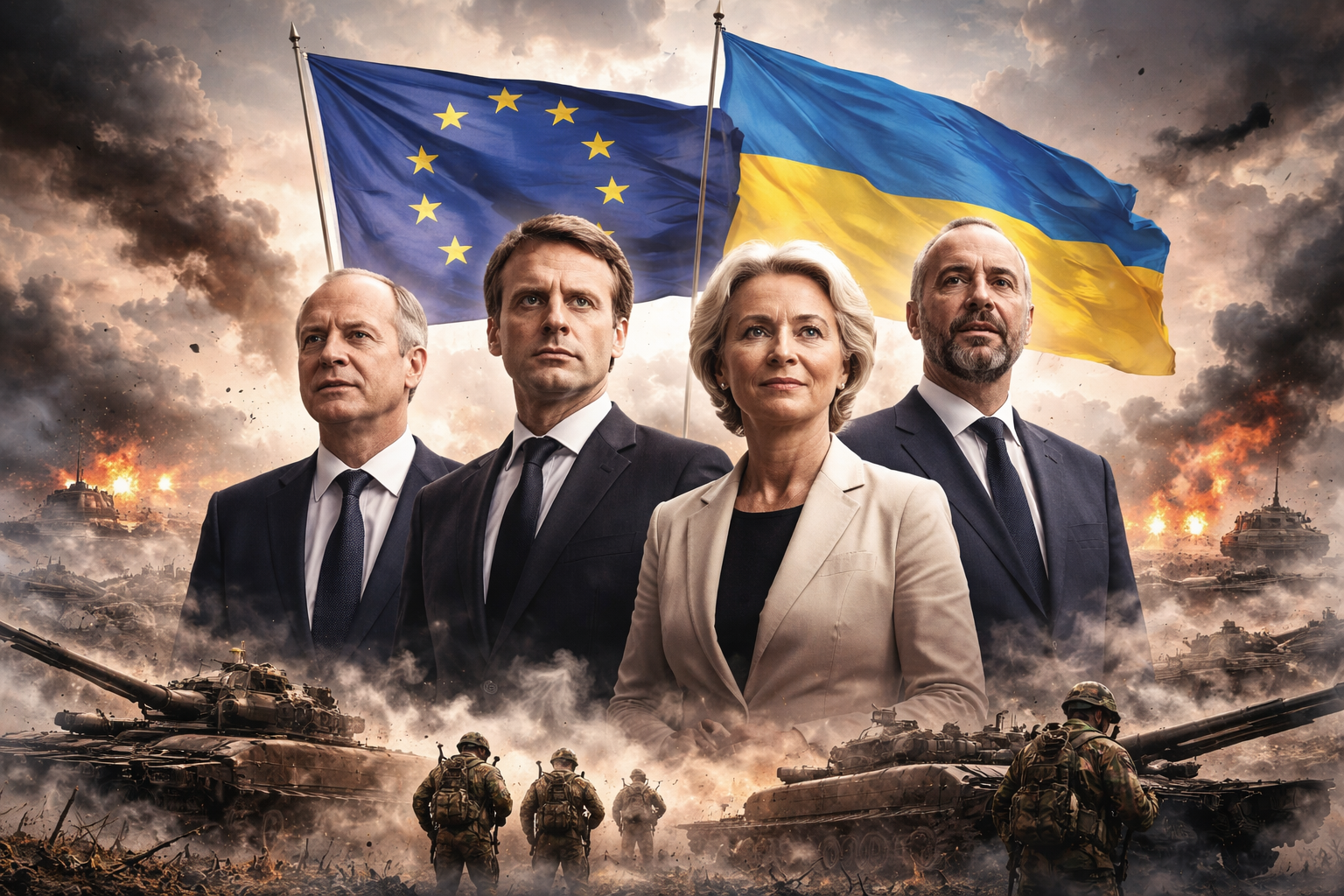
European Union leaders reaffirmed their commitment to supporting Ukraine’s defense efforts amid ongoing conflict with Russia, emphasizing the increasing financial needs and the strategic importance of international aid. The European Commission president underscored that the EU and its member states currently provide 80% of external assistance to Ukraine, urging other global partners to join the effort.
Ukraine’s president called for an additional €70 billion in defense funding for 2024 during a recent EU summit in Brussels, a request met with acknowledgement from top EU officials, signaling ongoing discussions to address Kyiv’s growing needs.
EU’s Role and Financial Challenges
Ursula von der Leyen highlighted the long-term nature of the conflict, noting that as long as the war continues, Ukraine’s financing requirements will rise. She pointed out that the EU is leading the aid initiatives but called for other countries and partners to contribute urgently. Von der Leyen asserted the bloc’s duty to support the Ukrainian people in their pursuit of a just and sustainable peace.
Meanwhile, António Costa, speaking at the same press briefing, described Ukraine as a central priority for Europe and reaffirmed the importance of maintaining pressure on Russian aggression. Costa also emphasized the urgency of agreeing on the EU’s next budget by the end of the year, stating that European farmers, companies, students, and researchers require new European funds.
Political and Strategic Responses
German Chancellor Friedrich Merz supported Ukraine’s call for continued support throughout the upcoming winter and backed targeted strikes on Russian communication and energy infrastructure. Several other EU leaders expressed solidarity with Ukraine and affirmed that sanctions against Russia will remain in place unless the war stops, criticizing a controversial diesel deal made by former US President Donald Trump with Russia.
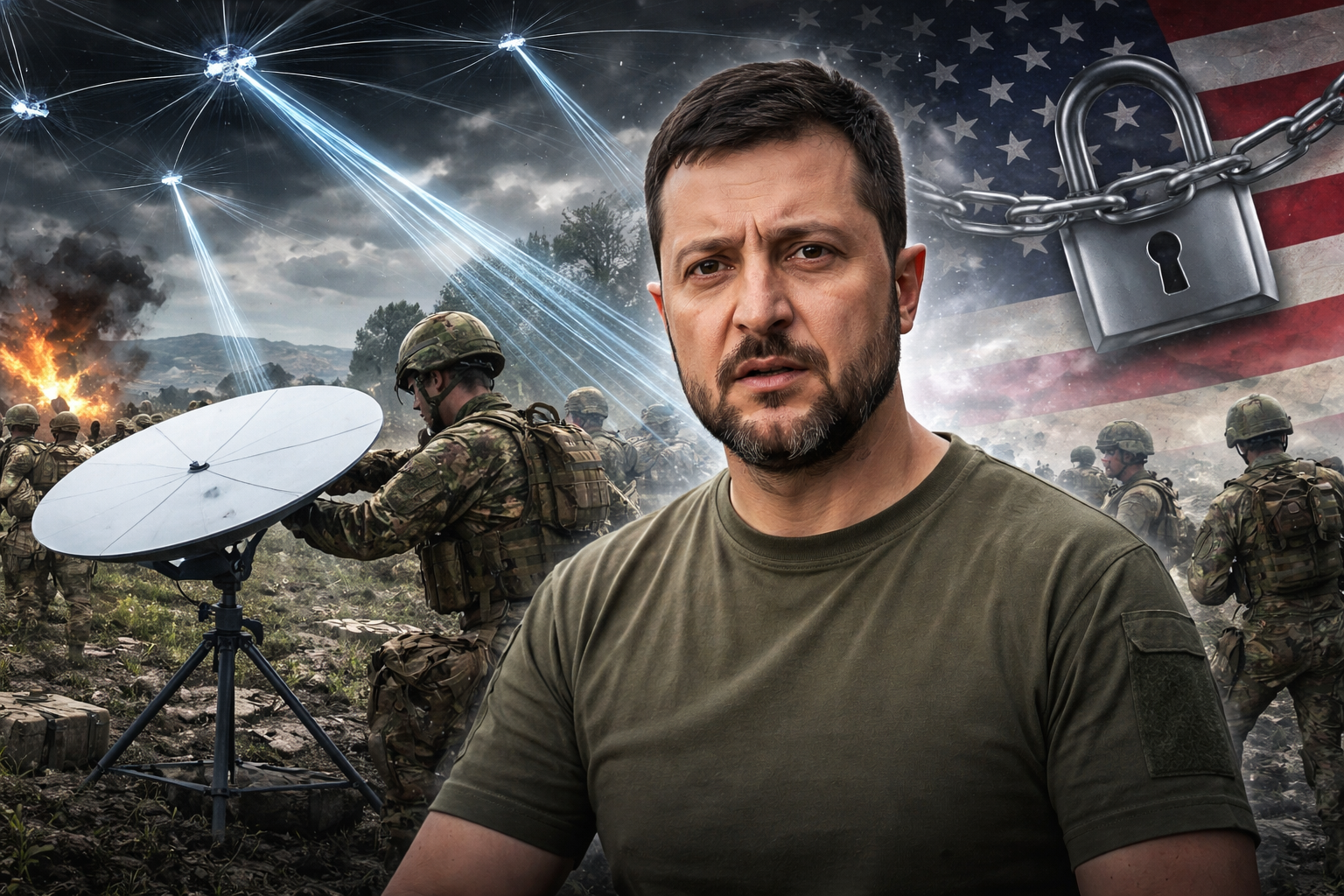
During the summit, political dynamics were tense as Ukraine’s Volodymyr Zelenskyy addressed criticism from Trump, clarifying that restrictions on Ukraine’s Starlink satellite system were not imposed by the US. Zelenskyy refrained from commenting on suggestions that he was being used as a political scapegoat ahead of U.S. midterm elections.
Broader EU Challenges Amid Crises
The EU leadership also discussed other pressing issues such as energy market volatility and migration. Von der Leyen stressed the importance of transitioning toward affordable, clean, and domestically sourced energy, including renewables and nuclear power, to mitigate dependence on imports and external crises. Migration progress was acknowledged, with declining illegal crossings and asylum applications, although challenges remain due to tactics aimed at overwhelming authorities.
In sum, EU leaders presented a united front on the need for continued, coordinated support for Ukraine, alongside balancing significant internal budget negotiations and ongoing geopolitical pressures.