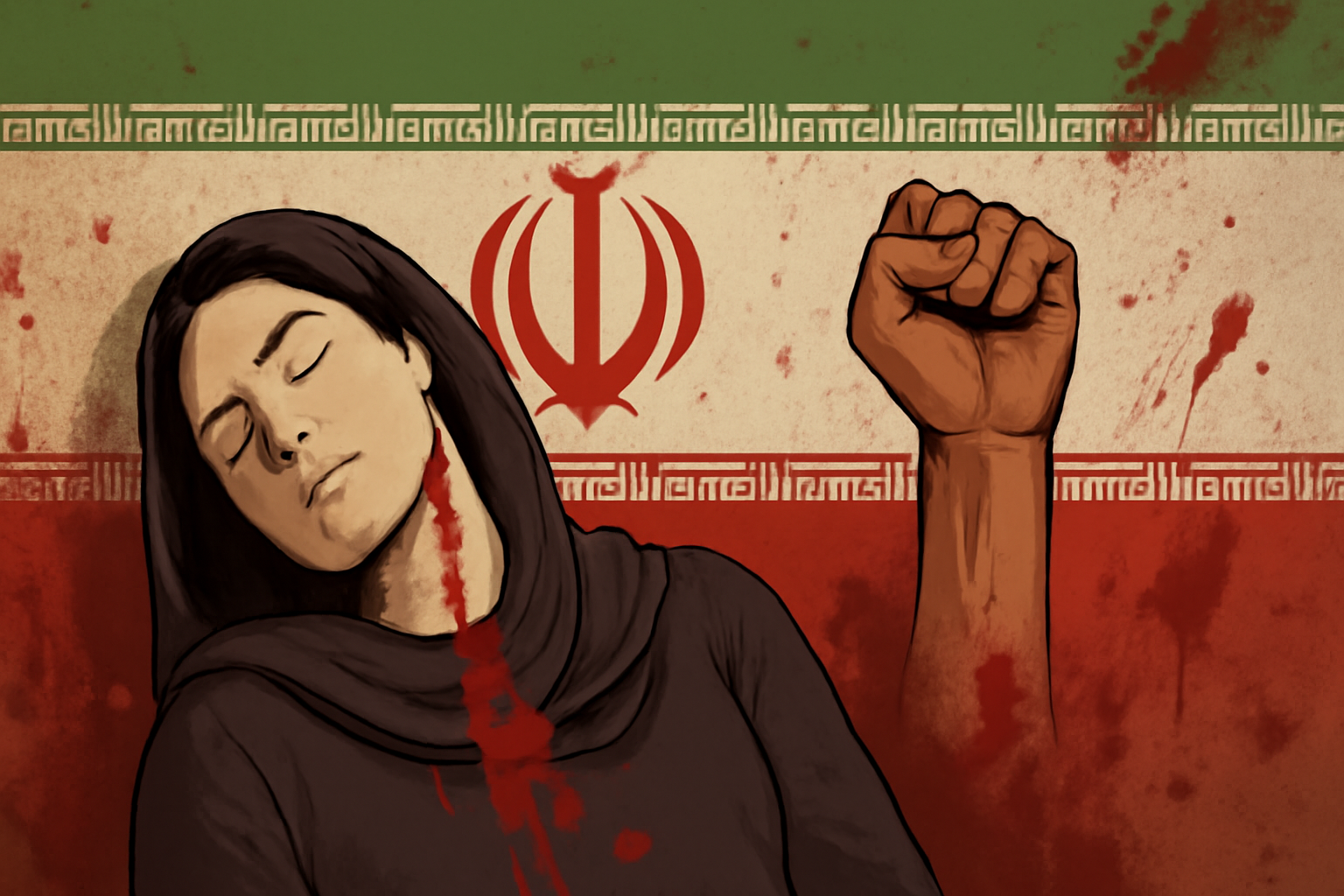
Maryam Yarmohammadi, a 28-year-old mother of two from Qeshm Island in southern Iran, was violently attacked in the early hours of October 5, suffering mutilation before dying in a hospital. Her husband and brother were arrested in connection with the attack. Significant violence against women, often justified by narrow and conservative interpretations of honor, continues to fuel femicides in Iran.
The authorities reported that approximately 50 of Maryam’s relatives gathered outside the hospital in protest of the arrests, claiming her death was insufficient punishment—a disturbing reflection of cultural attitudes where preserving family honor can result in fatal consequences for women.
The Context of Honor Killings
Honor killings in Iran typically involve male relatives taking violent action against female family members accused of violating social or cultural norms considered shameful. Such norms often restrict women’s behavior in deeply conservative regions, where actions like laughing loudly or talking to unrelated men may be deemed offenses.
Women frequently have no opportunity to defend themselves against such allegations, and activists note a lack of local support networks in regions like Qeshm Island. The Campaign to End Honor Killings has had limited reach in these areas, underscoring gaps in protection for vulnerable women.
Legal and Social System Failures
Under Iran’s interpretation of Shariah law, women often lack legal equality and depend on male relatives’ consent for important life decisions. After death, male family members may influence criminal case outcomes, including requests for retribution or pardon, complicating justice in honor killing cases.
A 2020 study by Iran’s Police Academy found that honor killings constituted up to 45% of murders in certain western and southern provinces. The United Nations reported at least 179 femicides within family circles occurred in 2024 alone, indicating the scale of the crisis.
Cultural Normalization of Violence Against Women
Maryam’s killing sparked public outrage and grief on social media, yet victim-blaming narratives persist. Some comments framed the murder as a punishment for alleged infidelity or attempted to rationalize male anger, reflecting entrenched social beliefs about male control and female obedience.
Psychologist Saba Alaleh explained that cultural, social, political, and economic factors combine to maintain these oppressive structures, with women often economically dependent and lacking support networks, raising their risk of violence.
Ongoing Struggle for Women’s Rights in Iran
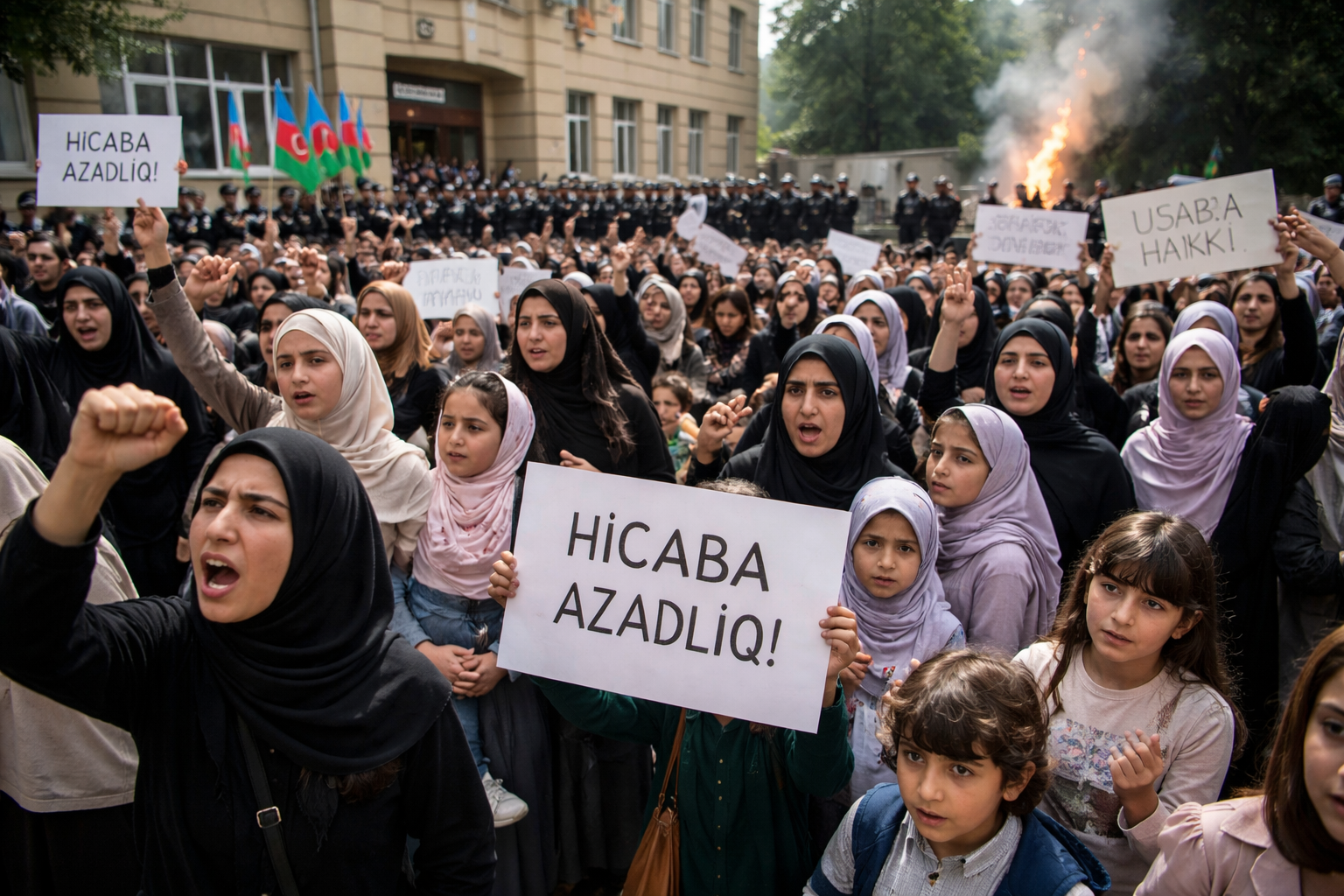
Despite decades of repression, Iranian women have made progress in education, employment, and political participation. The “Woman, Life, Freedom” movement, emerging from protests after the 2022 death of Jina Mahsa Amini, has intensified demands for bodily autonomy and liberation from oppressive norms.
Open defiance of mandatory dress codes, including women choosing to forgo the hijab, indicates growing resistance. Yet, for women like Maryam Yarmohammadi, the path remains perilous and unclear.