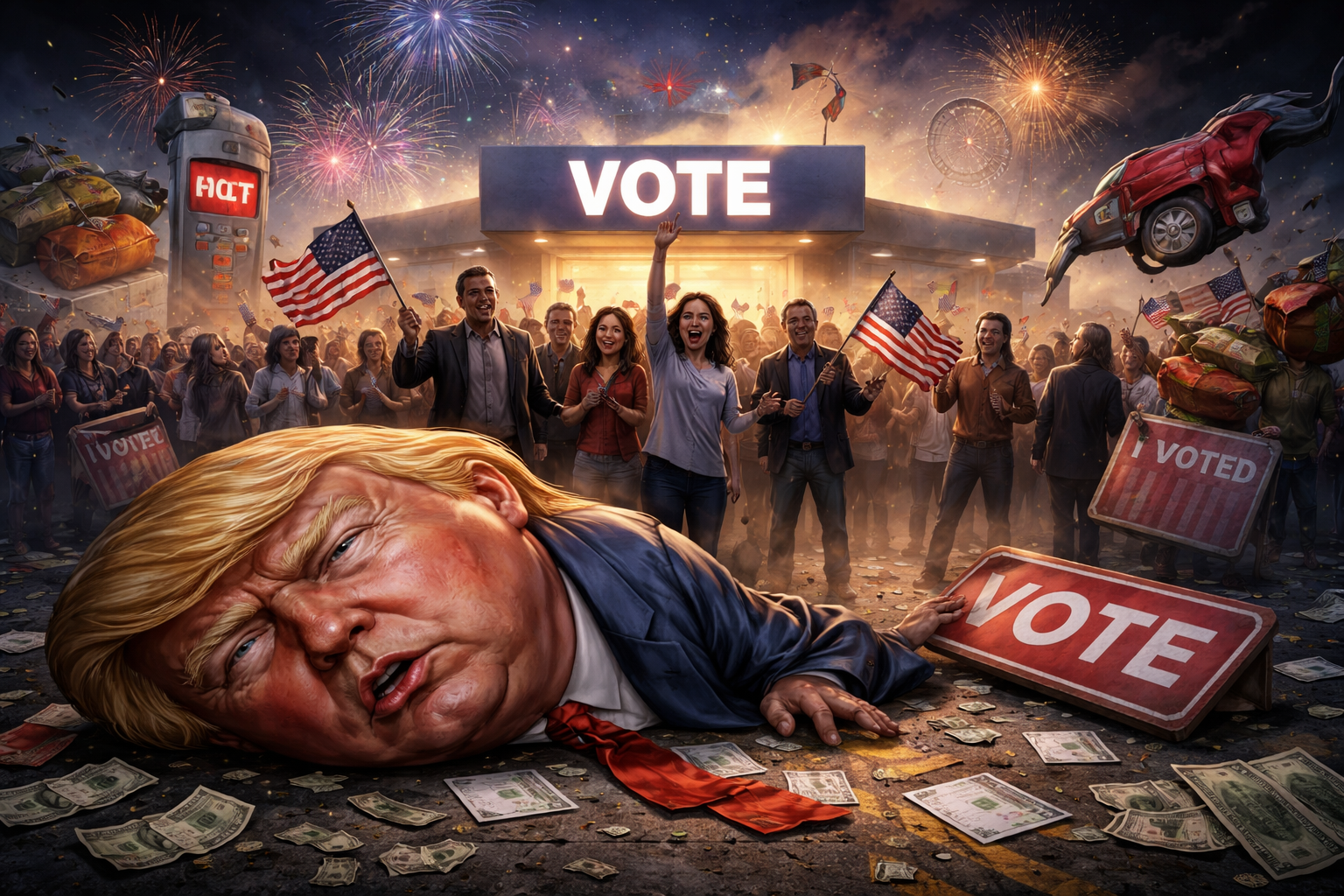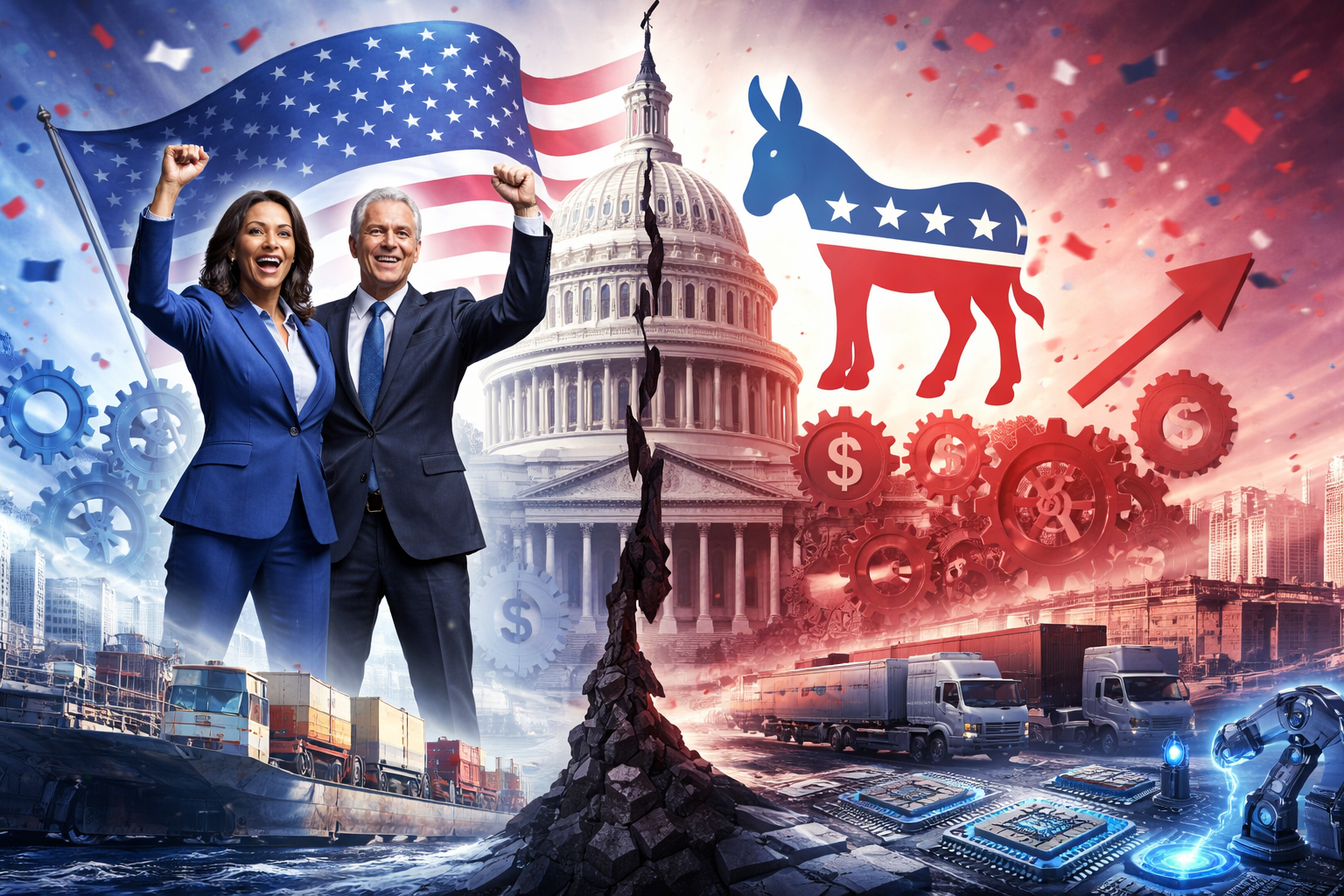
The recent US midterm elections resulted in a significant defeat for Donald Trump’s Republican Party, as the Democrats secured control over both chambers of Congress. This development reflects voters’ desire to reinforce democratic institutions and suggests potential shifts in domestic governance and international relations.
With Congress now under Democratic leadership, political dynamics in the US stand poised for notable change, particularly in legislative oversight, party direction, and foreign policy.
Resilience of US Democracy and Voter Intent
Concerns had mounted that the US democratic system was under threat following actions by Donald Trump and his administration, including attempts to alter electoral processes and extensive use of executive orders to circumvent Congress. However, the electoral outcome underscores the robustness of America’s democratic institutions.
According to a post-election survey by the Associated Press, nearly 30% of voters viewed the state of democracy as the nation’s primary problem, with approximately 70% believing Congress had not sufficiently checked presidential power. This midterm result clearly signals a public demand for stronger legislative oversight and enforcement of institutional safeguards.
Renewed Strength and Progressivism Within the Democratic Party
The elections demonstrated that the Democratic Party remains a formidable force in US politics, overturning Republican dominance in several traditional strongholds, including wins in Texas, South Carolina, and Kansas—the latter marking their first Senate victory since 1932. Notably, a new, younger generation of Democrats with more progressive platforms gained seats in the House.
Some of these winners are affiliated with the Democratic Socialists of America (DSA), a group advocating for enhanced welfare policies, affordable housing, health care, workers’ rights, and increased regulation of large corporations. Their success challenges previous assumptions about the electability of left-wing candidates on the national stage.
Republican Party Faces Internal Debate on Future Direction
Despite the electoral losses, Donald Trump disputed responsibility for the defeat on the social media platform Truth Social. Nonetheless, the result is expected to fuel internal Republican discussions about the party’s future, particularly whether to continue embracing Trumpism or pursue alternative leadership and policy platforms.
With Trump barred by law from seeking a third presidential term in 2028, Republicans must consider new leadership candidates and strategic approaches as they contend with the aftermath of the midterm outcomes.
Implications for Foreign Policy: Iran and Trans-Atlantic Relations
The midterm results bear foreign policy consequences as well. The costs tied to tensions with Iran, including rising energy prices and broader economic hardships, contributed to Republican losses. Increased domestic pressure may incentivize efforts to negotiate more lasting agreements with Iran, especially as Trump indicated intentions to reduce military aid to Israel shortly before the elections.
Experts such as Ian Lesser from the German Marshall Fund suggest that Democratic control of Congress could revitalize US-Europe relations. With influence over NATO policies, defense budgets, and climate cooperation, Democrats may work toward restoring trust and predictability with European allies, though some trade issues like tariffs remain complex.
The midterms mark a pivotal point in US politics, with Democrats poised to amplify legislative oversight and adjust policy directions at home and abroad while the Republican Party confronts critical decisions about its identity and leadership.