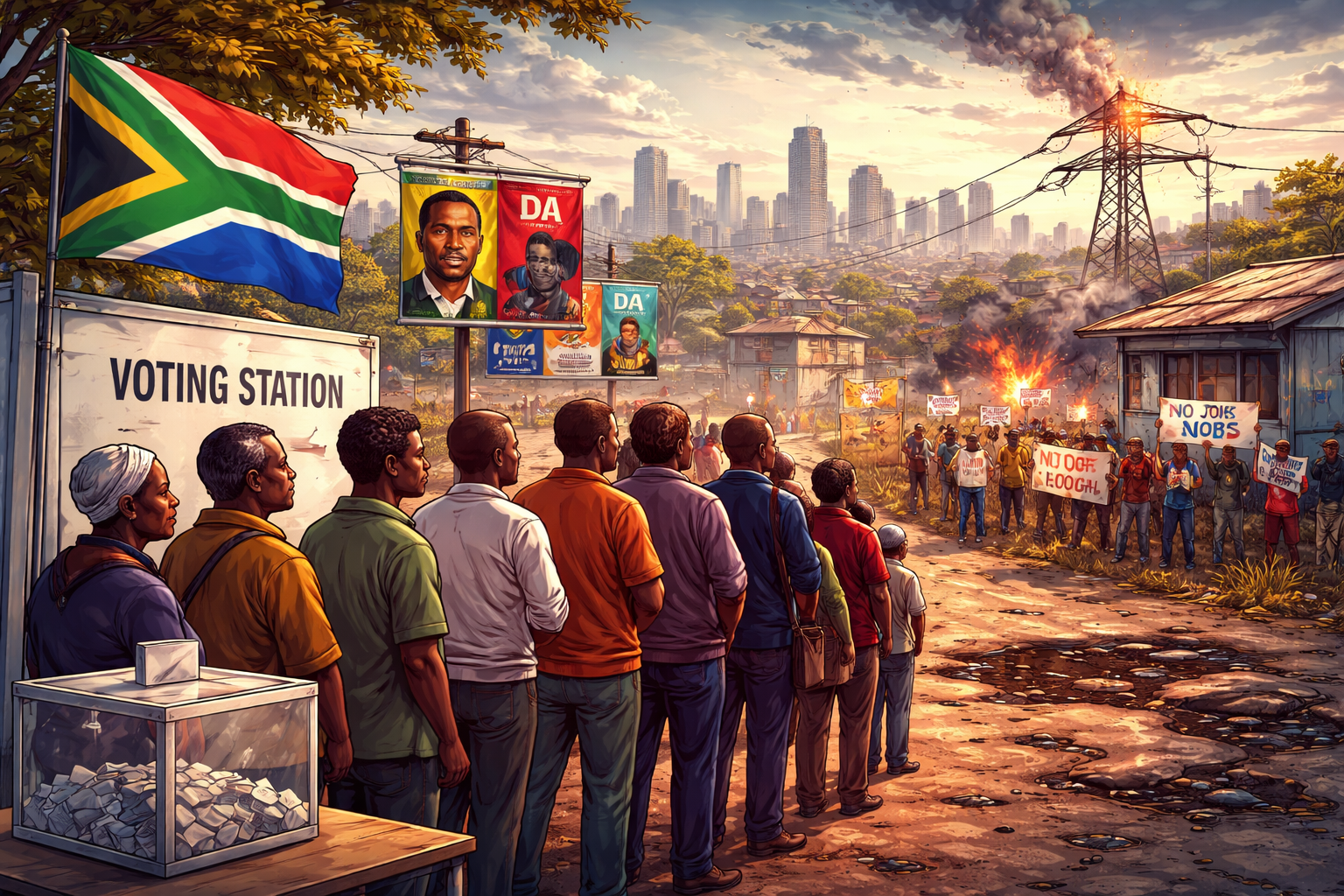
Across both sides of the Atlantic, recent elections have shown a notable shift as voters increasingly favor candidates advocating a “politics of love”—a vision of society grounded in unity rather than division. This trend has emerged in countries including the United States, Hungary, Brazil, and Serbia, reflecting broad weariness with oligarchic rule, unchecked inequality, and authoritarian tendencies.
In the United States, electoral outcomes have brought forward diverse firsts that embody this hopeful change. Michigan voters elected a candidate who used humor to deflect hate-filled rhetoric. Ohio selected its first female Democratic governor in two decades, while New Mexico, Georgia, and Texas each made historic gubernatorial choices by electing their first female Native American, Black, and Latina leaders respectively. These victories have sparked fresh optimism after years of political unrest.
Democratic Spring and Generational Rejection of Divisiveness
Observers liken this momentum to a renewed “democratic spring” that began with significant political upheaval in Budapest earlier this year. In the U.S., the youngest voter generation, enduring only the Trump era politically, strongly repudiated far-right influences. Their rejection resonated down-ballot, influencing state legislatures and local boards. Candidates who opposed divisive politics gained support not by harnessing anger alone but by offering an alternative hopeful message emphasizing that society need not be defined by conflict.
Challenges to Democratic Renewal in Europe
While Europe has maintained stronger institutional protections for democracy, the path ahead remains complicated. Internal debates persist between those advocating for national solutions and those urging pooled sovereignty to address transnational challenges like inequality and climate change. France, in particular, illustrates these struggles. High school protests have underscored social and economic tensions reminiscent of those that once spurred transformative reforms in the 1930s United States, yet emerging political movements in France risk leaning towards nationalism rather than defending and renewing European democracy.
Looking Ahead: Opportunities and Obstacles
The Democratic Party in the U.S., now holding Congressional control, faces the task of rebuilding democratic foundations and addressing systemic inequities that have grown for decades. The success of exceptional candidates who promise inclusion and progress offers a blueprint for this renewal. Meanwhile, Europe’s more complex political landscape presents a tougher navigation toward similar democratic revitalization. Both continents share a moment of cautious hope but will confront significant challenges as they attempt to reclaim control over forces threatening open, just societies.