The Czech government has escalated a series of culture war initiatives that threaten media independence and artistic freedom. Leading this effort is Oto Klempíř, Czechia’s culture minister and former frontman of the band JAR, who is affiliated with the Motorists for Themselves party—known for its populist, nationalist, and climate-skeptic positions aligned with MAGA ideology.
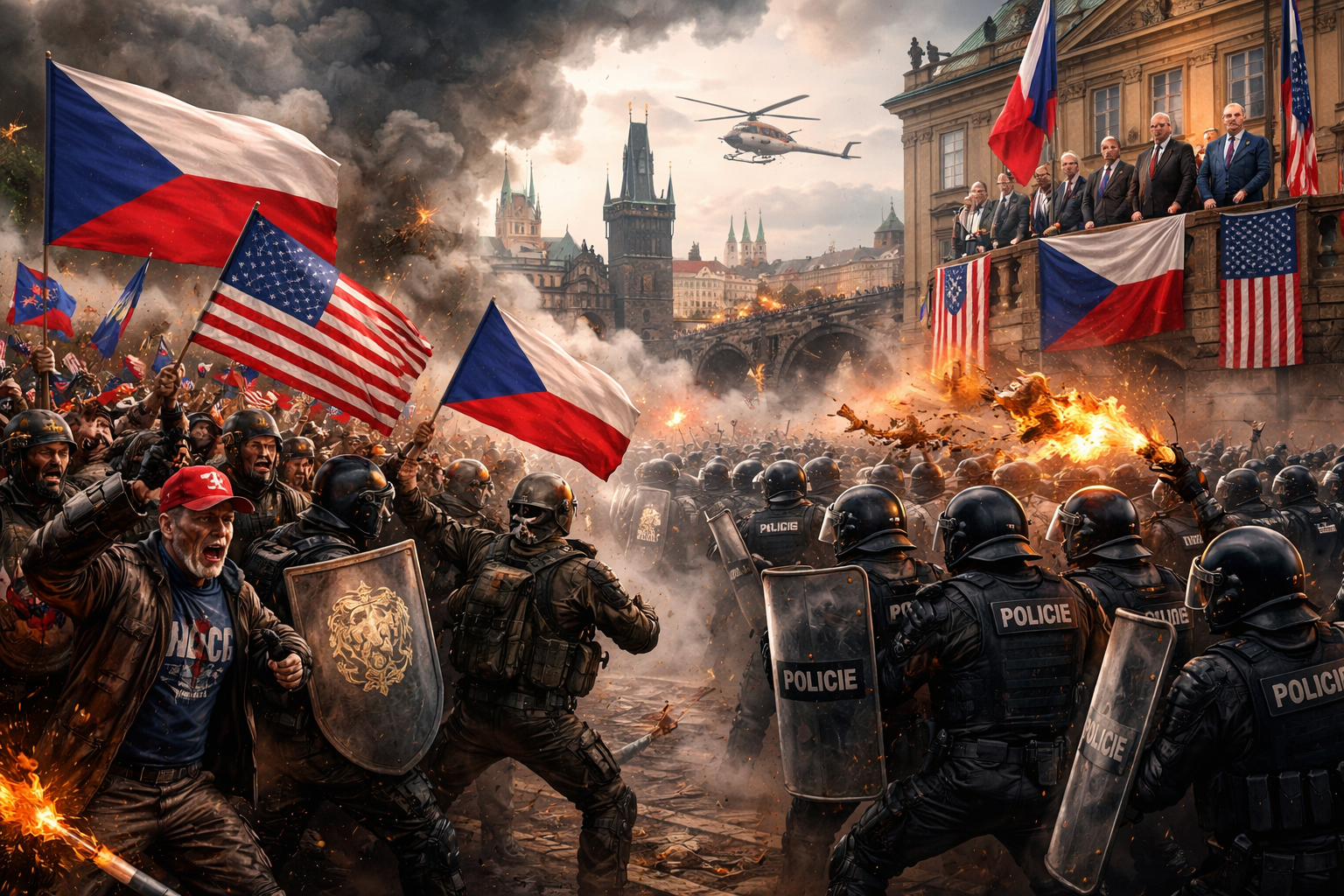
Klempíř is pushing expedited legislation to bring public service media funding under tighter government control, triggering protests by thousands concerned about the erosion of media independence. Additionally, the government has imposed new restrictions on state subsidies for literary journals, banning funded projects from publishing political news or commentary, raising fears of censorship unseen in the country since the fall of communism.
Government Attempts to Control Cultural Funding and Content
Deputy culture minister Adam Kocián, also from the Motorists party, has openly stated that politics should be excluded from state-supported cultural events, including music, film, and literature festivals. This stance represents a sharp departure from the previous system, where expert committees of artists independently recommended cultural funding. The party’s efforts include delaying subsidies for progressive institutions and questioning funds dedicated to projects such as a film about the Ukrainian queer community.
Far-Right Influences and Ties to Wealthy Backers
The Motorists party’s embrace of far-right and MAGA-style politics reflects broader connections to influential oligarchs, including fossil fuel billionaire Pavel Tykač and former Czech president Václav Klaus. Foreign minister Petr Macinka, a party chair aligned with Donald Trump’s style, has publicly attacked political figures like Hillary Clinton, aligning Czechia’s far-right government with international MAGA themes. Far-right MEP Filip Turek, known for controversy and a macho social media presence, contributed to the party’s parliamentary gains despite investigations into his past conduct.
Broader Implications for Democracy and Media Independence
These moves occur against the backdrop of recent electoral setbacks for the governing coalition, prompting a strategy that mirrors Viktor Orbán’s Hungary and Robert Fico’s Slovakia, where culture wars serve to consolidate control and weaken democratic institutions. The tightening grip over publicly funded media and culture, heavily influenced by wealthy business elites, signals a critical juncture for Czech democracy as inequality grows and progressive voices face increasing suppression.