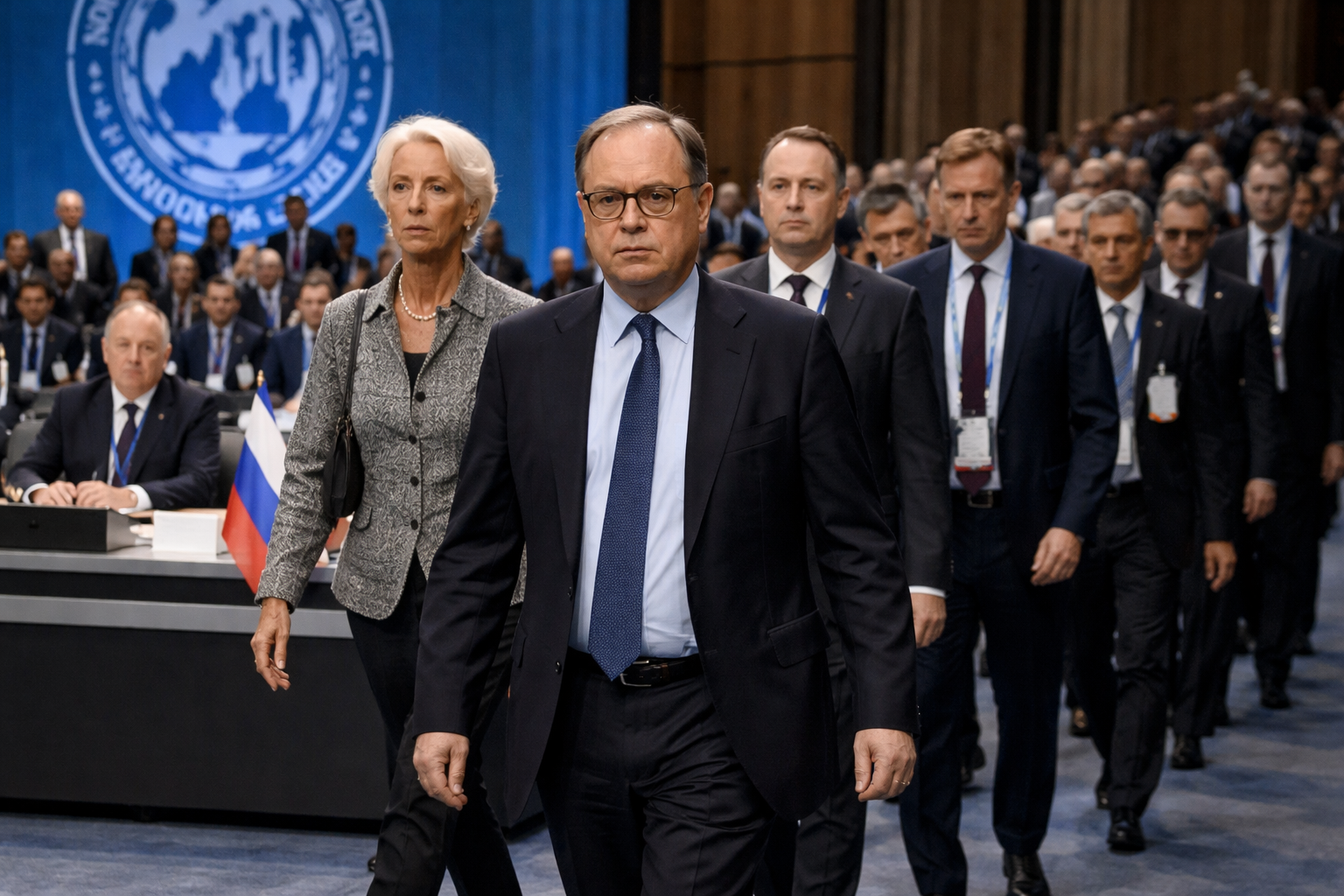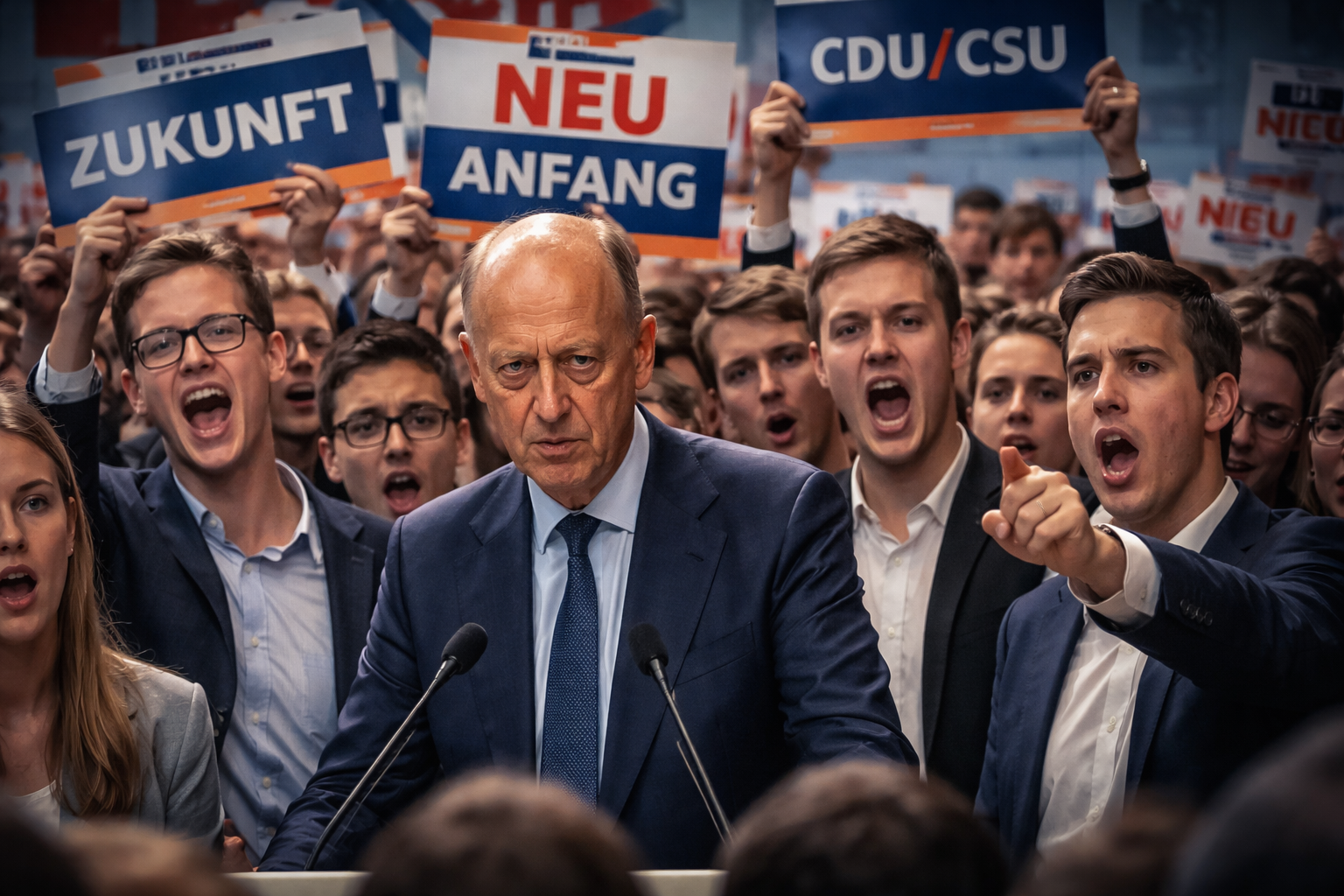
German Chancellor Friedrich Merz spoke on Saturday at the annual national conference of the Christian Democratic Union and Christian Social Union’s youth wing, the Young Union (Junge Union/JU), amid growing dissatisfaction with his leadership within the party. The event in Bonn brought together around 90,000 members of the JU, a vital faction that has previously been critical of Merz’s policies, particularly on pensions.
Merz’s approval ratings have been declining sharply following recent regional and municipal election setbacks for the CDU/CSU. He confronted a youth wing that is more confident and increasingly critical as the party navigates leadership uncertainty and internal challenges ahead of the next federal election.
Reform Agenda and Party Confidence
During the conference, Merz emphasized the importance of his ambitious reform plans targeting Germany’s welfare system, including retirement, nursing care, and health insurance. He stated that these reforms, despite causing friction, are necessary to ensure sustainable economic growth and political success for the CDU at future elections. His administration aims to finalize the proposals by year’s end, though some coalition partners oppose raising the retirement age.
Johannes Winkel, re-elected chairman of the Young Union with 94.3% support, expressed strong determination to maintain the CDU/CSU as a major political force. Despite speculation about leadership changes with rising stars like North Rhine-Westphalia’s Hendrik Wüst and Bavaria’s Markus Söder scheduled to address the youth wing, Winkel dismissed the notion that the meeting was a casting call for new leadership.
Political Context and Opposition Activity
Apart from intra-party dynamics, Germany faces external political pressures. The country’s development minister has called for easing debt rules to sustain funding to Ukraine despite budget cuts and intensifying Russian attacks. Meanwhile, in Schleswig-Holstein, the youth wing of the far-right Alternative for Germany (AfD) held a rally, accompanied by a pro-democracy counter-demonstration expected to draw 3,000 participants.
Recent polling shows both the far-right AfD and the CDU/CSU losing support, with the AfD currently leading nationwide in popularity. The Left Party and left-wing BSW have gained slightly, reflecting shifting political sentiments in Germany.