
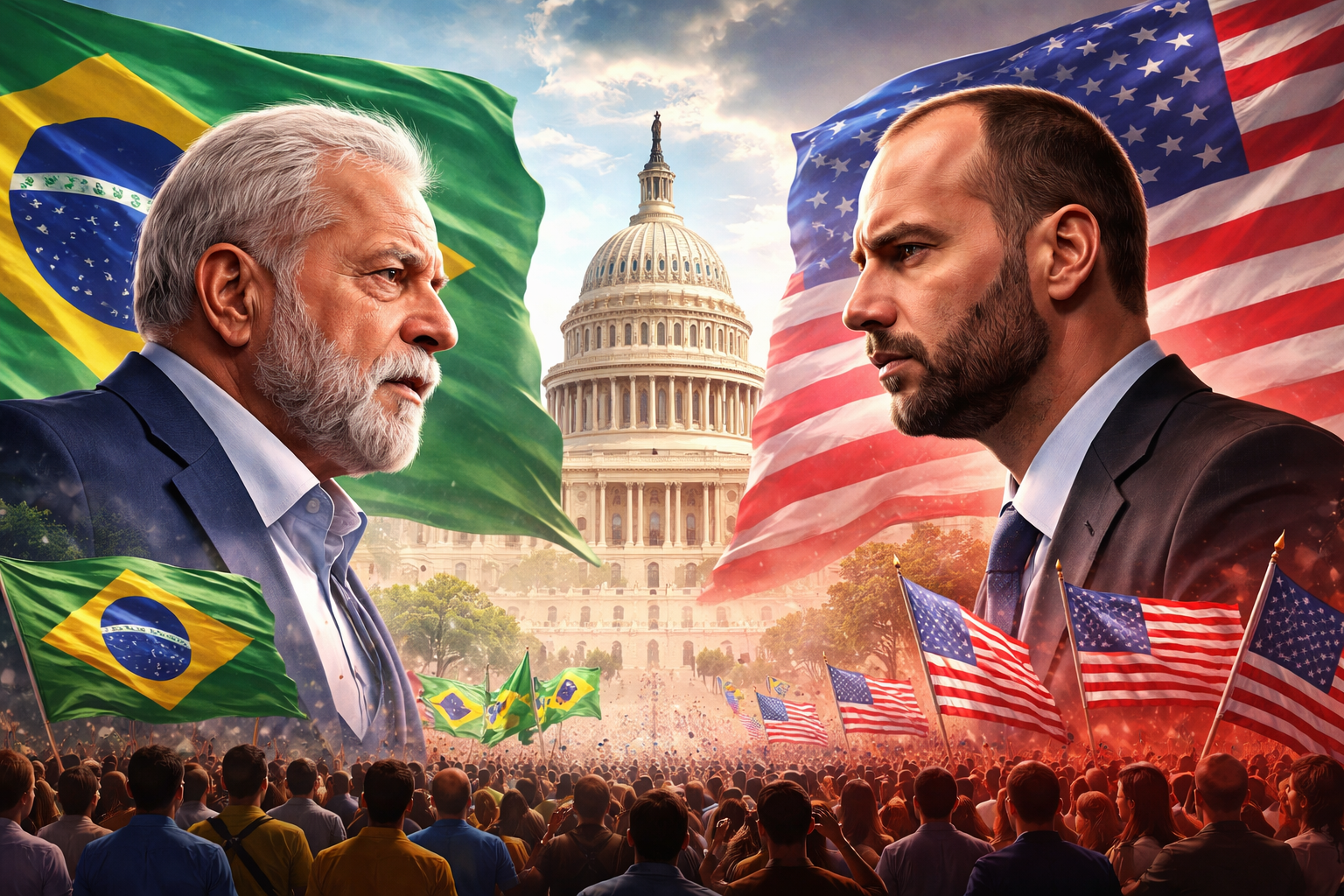
Brazil is preparing for a highly consequential presidential election on October 4, with incumbent Luiz Inacio Lula da Silva and Flavio Bolsonaro, son of former President Jair Bolsonaro, locked in a close contest. The race carries significant international interest due to Brazil’s status as a major agricultural producer and a country rich in natural resources, as well as its strategic position in South America.
Lula recently addressed the United Nations General Assembly emphasizing Brazil’s sovereignty and rejecting foreign interference, a veiled critique of former US President Donald Trump’s previous interventions in Brazilian politics. Trump had openly supported Jair Bolsonaro’s far-right administration and imposed sanctions on a Brazilian judge ruling against Bolsonaro, which were lifted only after negotiations with Lula.
Contrasting Foreign Policy Visions
Lula advocates for multilateral diplomacy, aiming to maintain Brazil’s global relationships across various nations, including its key economic partner China. His approach emphasizes dialogue and balancing international interests, aligning with Brazil’s active role in the BRICS alliance, which includes Russia, India, China, and South Africa.
In contrast, Flavio Bolsonaro favors strengthening conservative alliances, particularly with the United States and other right-wing governments. Observers note uncertainty about how decisively Flavio would embrace US pressure to distance Brazil from China, considering the country’s economic dependency on agricultural exports to Beijing.
Implications for Brazil’s Global Position
Experts caution that a Bolsonaro administration could jeopardize Brazil’s participation in BRICS, as Flavio has suggested reviewing Brazil’s membership, arguing that the alliance provokes the US. However, economic ties with China are likely to remain mostly intact due to Brazil’s agricultural interests and the Bolsonaro family’s strong rural support base.
Brazil, although rich in resources, is expected to remain a moderate global player limited by economic and military constraints. Nevertheless, under Lula, Brazil maintains influence within Global South discussions on trade, climate policy, and development issues.
Environmental and Diplomatic Concerns
Lula’s previous environmental commitments, exemplified by appointing a leading environmentalist as environment minister, contrast with Jair Bolsonaro’s record of dismantling environmental protections and isolating Brazil diplomatically, particularly concerning the European Union. This legacy raises concerns about how Flavio Bolsonaro might approach climate and foreign relations if elected.