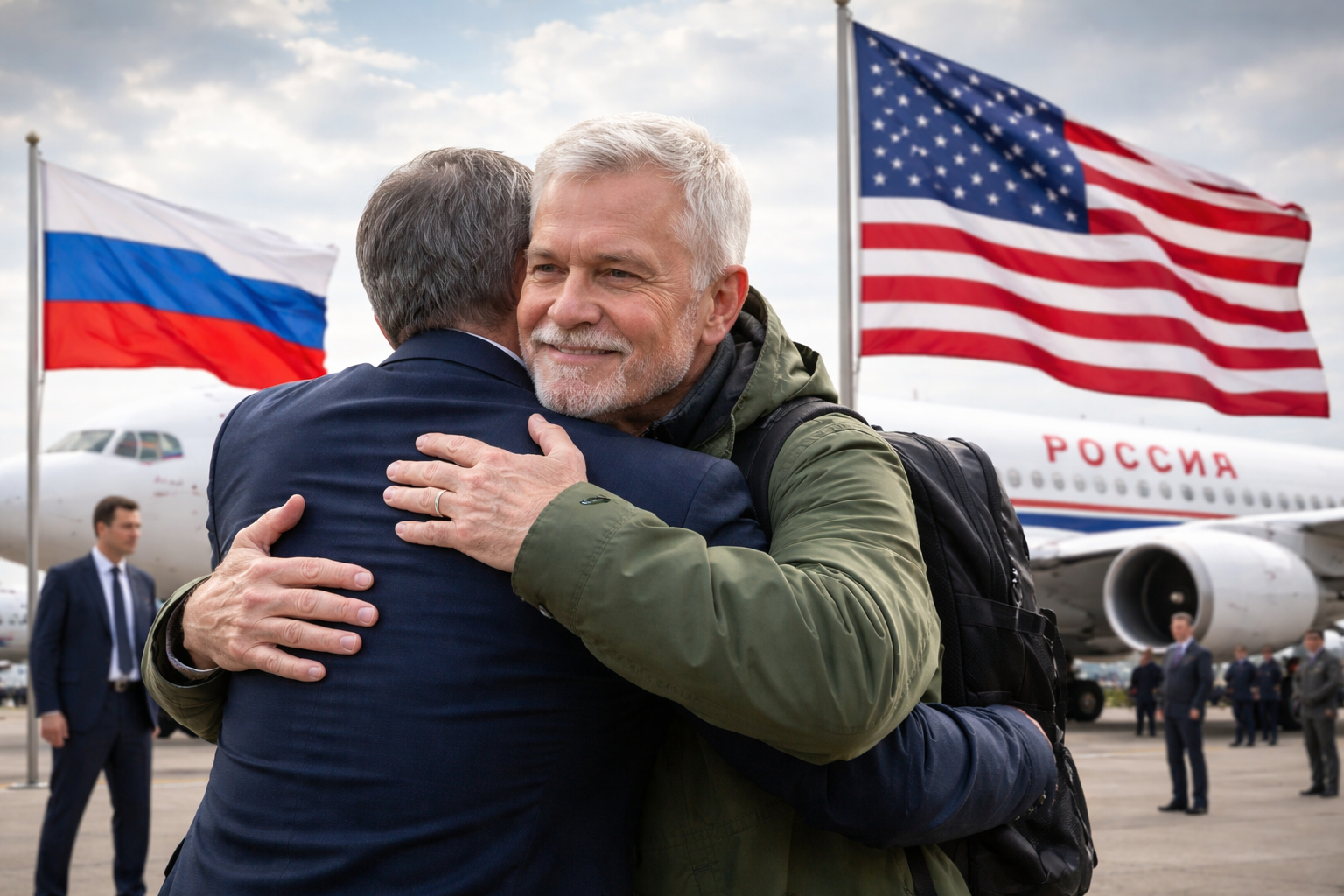

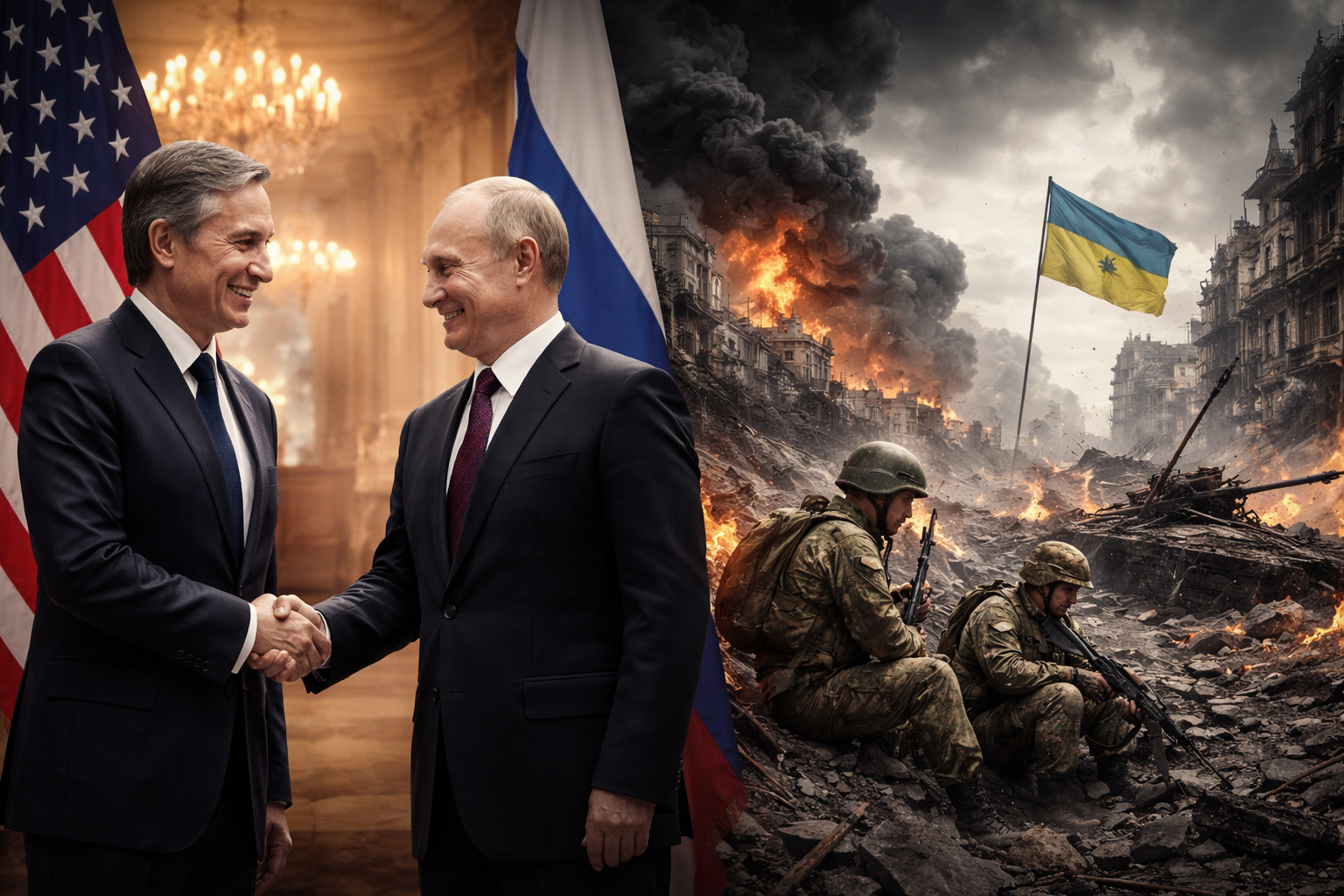
Steve Witkoff, acting as a senior US envoy, recently met with Vladimir Putin in St. Petersburg, offering unexpected praise by calling the Russian leader a humanitarian, a rare accolade given Putin’s long tenure marked by military conflicts and suppression of dissent.
This meeting coincided with ongoing violence in eastern Ukraine, where Russian forces continue bombarding cities like Kharkiv, forcing children to seek shelter in specially built underground schools designed to protect them from frequent drone and missile strikes.
Contradictions Between Diplomacy and Ground Realities
During the visit, Witkoff’s comments praising Putin starkly contrasted with the harsh conditions faced by Ukrainian civilians. The Kremlin’s strategy includes targeting electricity infrastructure, aiming to black out cities such as Kyiv, Odesa, and Kharkiv during winter, which could have devastating humanitarian consequences. Recent drone attacks have continued unabated, causing civilian casualties, including a deadly strike in a Kharkiv park that killed six people, among them a one-year-old girl and an 11-year-old child.
White House Statements Spark Doubt and Fear
Shortly after the drone strike, former President Donald Trump downplayed the violence, stating Russia “has been fine on Ukraine.” Despite public criticism, he minimized the civilian deaths, describing the victims as mostly young soldiers. Such remarks have fueled skepticism and fear among Ukrainians who hoped for stronger US opposition to Russia’s aggression.
Diplomatic Goals and the Pursuit of Peace
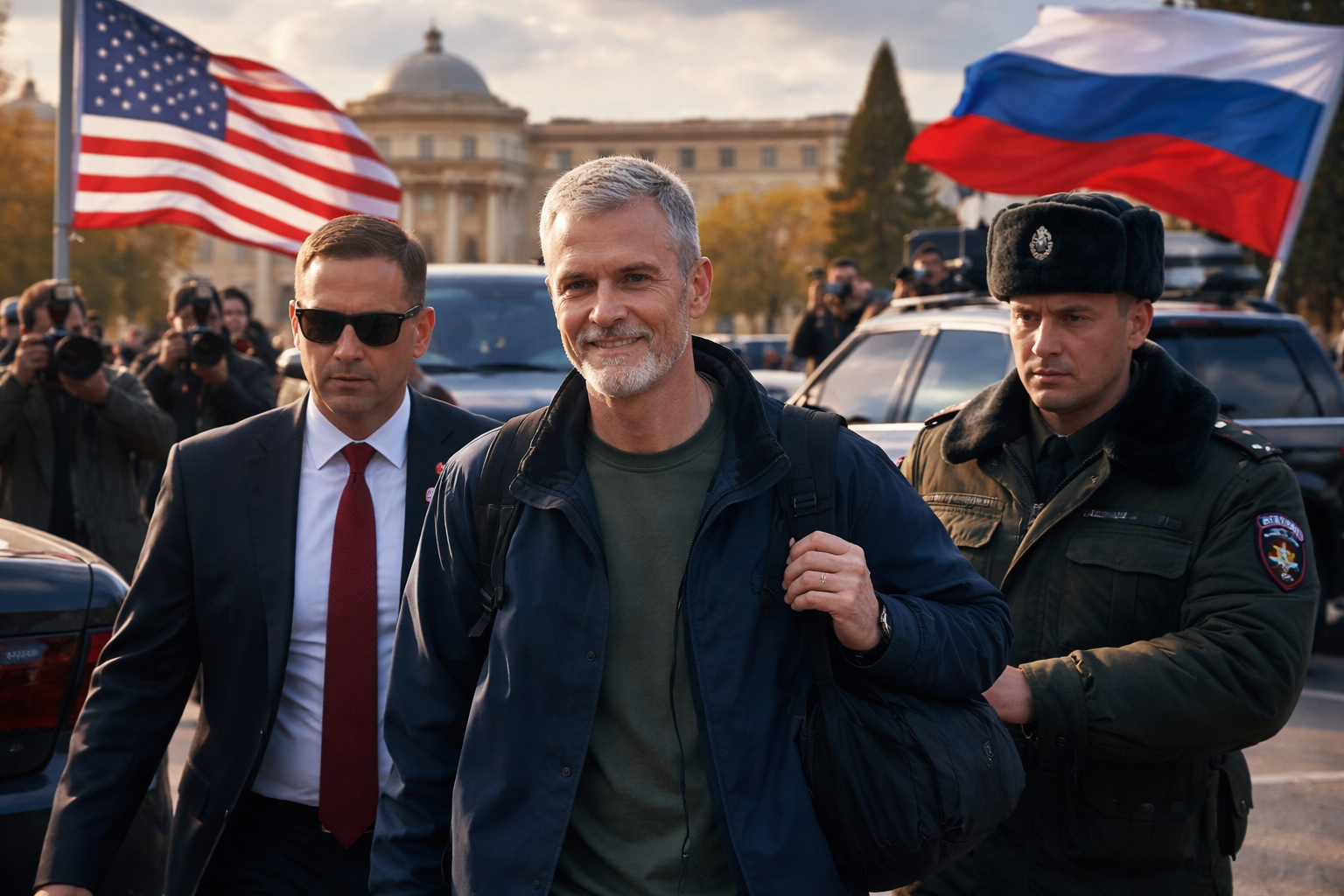
Witkoff’s diplomatic mission also involved negotiating the release of a detained American citizen in Russia. However, his engagement appears aligned with a broader US strategy aimed at pressuring Ukraine toward a swift resolution before upcoming US midterm elections. This approach, critics argue, may prioritize political timing over addressing the ongoing suffering of Ukrainian civilians caught in the conflict.