Former President Donald Trump blocked multiple sanctions on Russia just days before they were set to take effect, intensifying a growing dispute with Ukraine’s President Volodymyr Zelensky. The sanctions, which were passed by Congress and signed into law by Trump in September, aimed to target Russia’s economy and key figures linked to Moscow’s aggressive actions in Ukraine.
On a Friday night executive order, Trump cited that suspending certain sanctions was in the U.S. national interest. This decision has sparked backlash from U.S. lawmakers across party lines, as well as condemnation from Zelensky, who expressed disappointment that the U.S. would “completely disregard” the sanctions designed to pressure Russia amid its war in Ukraine.
Details on Sanctions and Waivers
The sanctions law granted Trump broad authority to impose tariffs up to 100% on imports from major Russian oil and gas consumers, primarily China and India. It also imposed penalties on high-ranking Russian officials, including Vladimir Putin, financial institutions, and Moscow’s shadow shipping fleet used to evade embargoes.
Trump’s recent executive action waived many of these provisions, drawing praise from Russia’s envoy Kirill Dmitriev, who called it a “historic moment” that prevented “serious damage” to global markets, including benefits through economic cooperation with Russia.
Bipartisan U.S. Criticism and Impact on Ukraine Relations
Critics within the U.S. government quickly condemned the move. Democratic Congressman Don Beyer accused Trump of capitulating to Moscow and abandoning Kyiv, while Republican Senators Ted Cruz and John Cornyn also voiced their disapproval. Cruz labeled the waiver a mistake that inadvertently benefits Putin, and Cornyn called aiding Russia in Ukraine “reckless,” warning of broader NATO risks.
Senator Thom Tillis emphasized that the sanctions legislation had substantial bipartisan support, with only 11 senators opposing it. He argued that lowering energy prices should address Iran, not provide a favor to Putin. Representative Don Bacon warned that this shift risks undermining support for Trump’s agenda given the perception of aiding a dictator’s invasion and betraying an ally.
Escalating Tensions Between Trump and Zelensky
The deteriorating relationship between Trump and Zelensky has been marked by public verbal clashes and diplomatic strains, notably after the U.S. arranged a controversial deal to import Russian diesel amid high energy prices. Zelensky has accused the Trump administration of withdrawing key military aid, while Trump described Zelensky as “more difficult to deal with” than Putin.
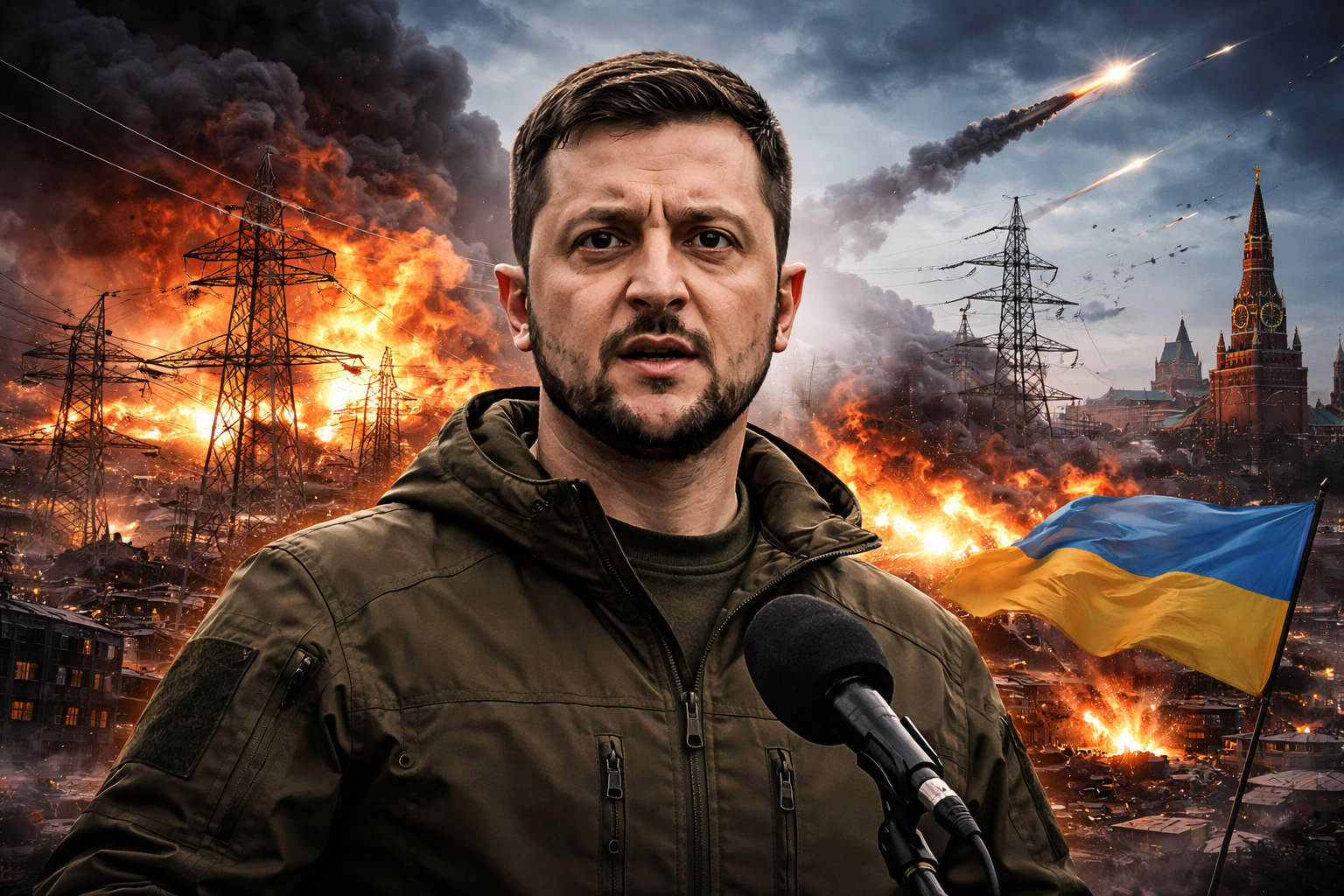
The Ukrainian president stressed the necessity of sanctions to limit Russia’s war funding, pointing to recent Russian strikes on Ukrainian energy infrastructure designed to cause nationwide blackouts ahead of winter. He warned the sanctions could have significantly helped Ukraine’s cause and predicted further sanctions waivers by the U.S. administration.
Additional Concerns Over Support and Security
Further concerns have emerged over disruptions to a US-provided satellite network used by Ukraine’s military operations. Restrictions on Starlink drone speeds reportedly affected Ukrainian defense capabilities during critical Russian attacks, although U.S. officials have attributed the issues to technical problems. Trump denied intentional interference or limiting intelligence sharing.
Recent Russian strikes resulted in at least nine deaths and around 60 injuries across Ukraine, targeting industries linked to Ukraine’s defense. These developments underscore the high stakes amidst deepening discord between Washington and Kyiv over the U.S. approach to Russia sanctions and assistance.