
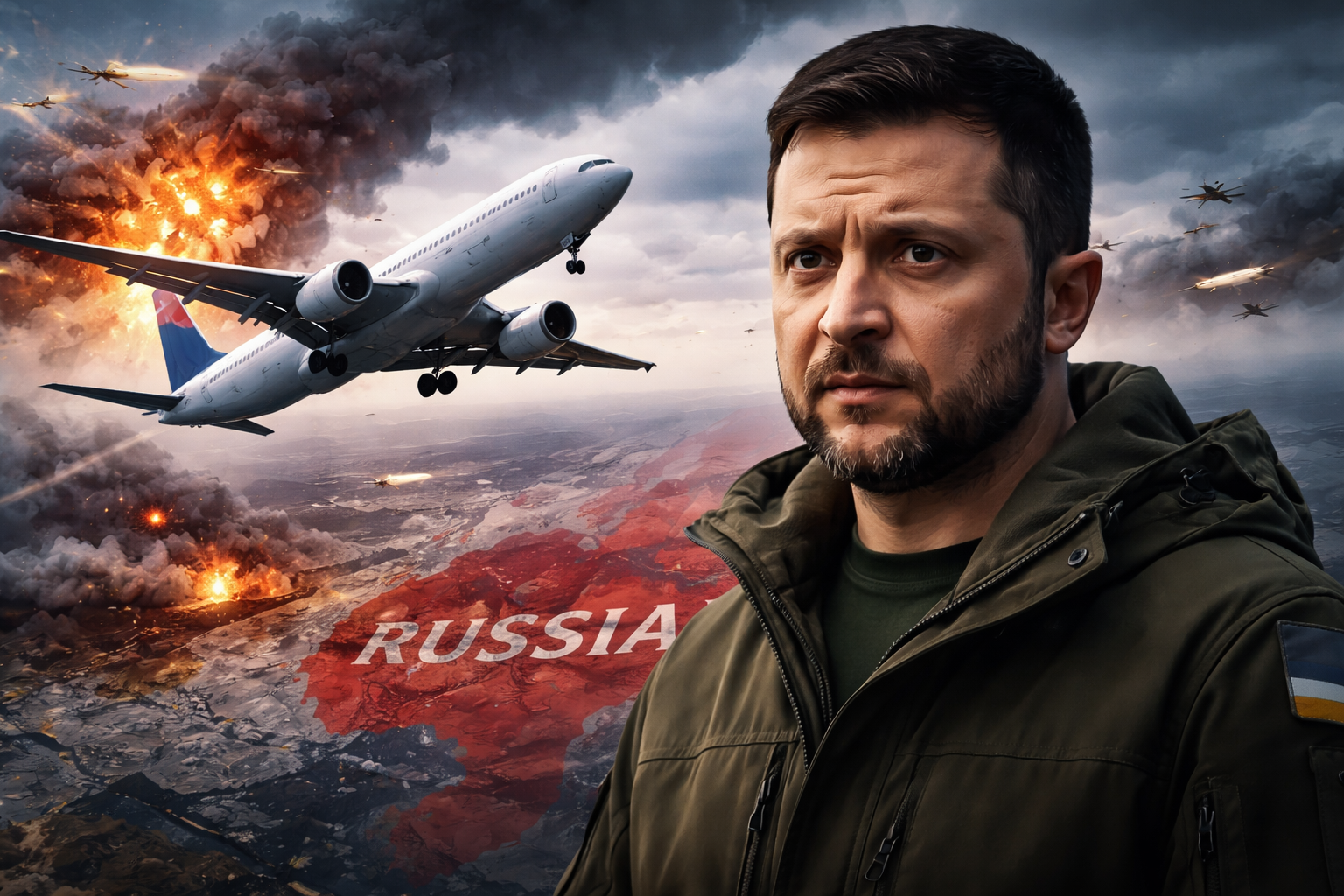
Ukraine’s president issued a stern warning to airlines and insurers on September 2, 2026, urging them to avoid Russian airspace as the country steps up its drone strikes within Russian territory. Volodymyr Zelensky described Russian airspace as becoming “completely dangerous” due to the increase in drone activity.
The announcement followed a recent surge in Ukrainian drone attacks targeting energy infrastructure and logistics hubs deep inside Russia, including depots belonging to major Russian online retailers Wildberries and Ozon. These strikes have repeatedly disrupted operations at key Russian airports, particularly in Moscow where all four major airports have halted arrivals and departures at times.
Key Developments and Reactions
Zelensky clarified that Ukraine does not pose a threat to civilian aviation and does not intend to cause harm to innocent lives. Instead, he emphasized that drones will increasingly operate in Russian skies and that this heightened activity needs to be factored into aviation safety considerations. His warning particularly targeted airlines operating flights to Russian airports in cities like Moscow and St. Petersburg.
Russian President Vladimir Putin responded by accusing Zelensky’s comments of constituting a “declaration of state terrorism.” Putin asserted Russia’s continued intent to intensify attacks on Ukraine, which have resulted in civilian casualties, including 12 deaths reported in recent strikes. Putin also dismissed calls to resume negotiations, labeling Ukraine’s leadership as terrorists.
Aviation Risks and Industry Impact
Most Western commercial airlines have long avoided Russian airspace following the 2022 Russian invasion of Ukraine. However, carriers from countries such as Turkey, China, and Gulf states continue to operate flights through Russia, attracted by fuel and time savings on routes connecting Asia and Europe. Aviation risk experts warn that Ukrainian drone and missile strikes, primarily concentrated within 186 miles of the border but increasingly extending deeper into Russian territory, pose significant risks of miscalculation and misidentification.
Under Russia’s “Kovyor” air defense system, flights are suspended upon drone detection, which has forced repeated airport closures in Moscow and caused cancellations. Ukraine’s own airspace remains closed to civilian aircraft for safety reasons throughout the conflict.
Context of Ongoing Conflict
The drone escalation coincides with continued Russian air strikes on Ukrainian cities including Kyiv, Odesa, and Sumy. The Ukrainian military leadership has acknowledged the process of pushing the war back into Russian territory, emphasizing the strategic intent behind drone attacks on Russian infrastructure.
Historical incidents underscore the dangers of civilian aviation in conflict zones, such as the downing of Malaysia Airlines Flight MH17 in 2014 over eastern Ukraine, which the United Nations attributed to Russia. Russia has denied culpability, although President Putin issued an apology in 2024 for a separate airliner incident involving drone defense systems.