
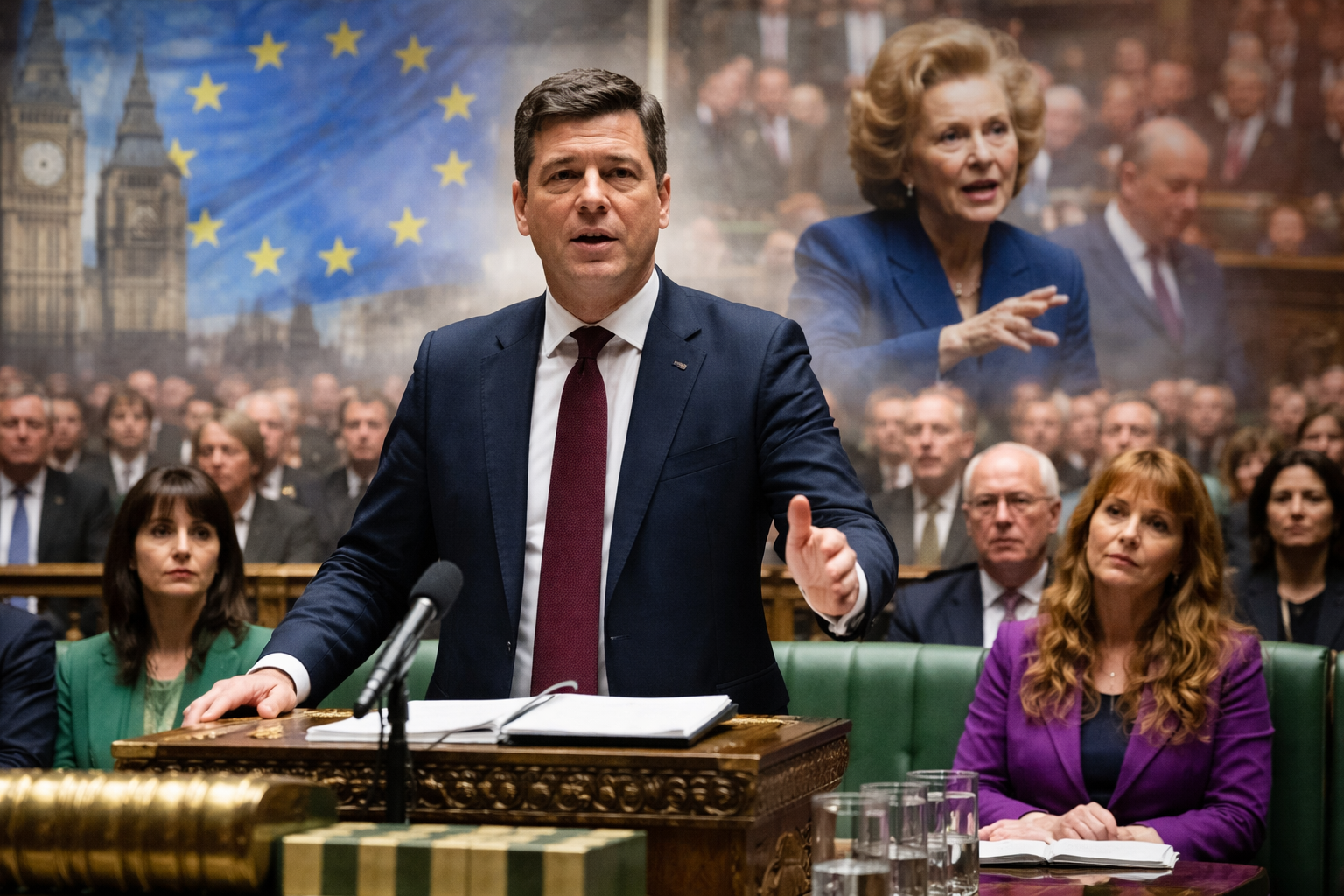
UK Prime Minister Andy Burnham attributed the country’s economic difficulties to Brexit and policies dating back to Margaret Thatcher’s tenure, describing them as a series of “wrong turns” over the last 40 years. Speaking in the Commons roughly six weeks after taking office, Burnham emphasized the need for honesty about past mistakes and expressed a commitment to building optimism to improve the next decade.
The prime minister highlighted the economic impact of Brexit, referencing Bank of England data that estimates a 6% hit to the UK economy in the decade since the referendum. Burnham spoke about centralization of political power, widespread privatization, deindustrialization, and austerity measures that he claims weakened local councils and communities. Brexit, he said, compounded these challenges, leading to a decade of low growth and stalled regeneration.
Government Plans Focus on Cost Reduction, Public Control, and Community Renewal
Burnham outlined three key government priorities communicated to his cabinet: reducing essential living costs such as childcare and mortgages; regenerating local communities; and increasing public ownership of water, housing, and energy sectors. Deputy Prime Minister Louise Haigh will lead task forces on these issues, tasked with developing bold solutions for everyday expenses, exploring the feasibility of renationalizing failing services, and proposing ideas to revive struggling high streets and impoverished areas.
The government signaled openness to reevaluating privatisation policies, with Burnham describing the water industry as a “leaking monument” to past failures and indicating that all solutions remain under consideration. Additionally, Burnham suggested the possibility of electoral reform, contingent upon achieving public consensus in the next election cycle.
Defense Spending and Climate Policy Amid Economic Constraints
Burnham hinted at committing to defense spending reaching 3% of GDP by 2030, noting the appointment of Chancellor John Healey was influenced by his military spending stance. On climate policy, the prime minister announced attendance at the upcoming COP31 summit and stressed a pragmatic approach to energy, likely including approval of the Jackdaw gas field. He rejected the notion of choosing between green energy and fossil fuels, calling instead for a dual approach.
Political Reactions and Leadership Transitions
Conservative leader Kemi Badenoch criticized Burnham’s focus on Thatcher-era policies as outdated, accusing him of wishing to retreat to the 1970s. In contrast, Burnham paid tribute to predecessor Keir Starmer, who announced his resignation as an MP to pursue international affairs. Starmer’s seat in Holborn and St Pancras presents a potential challenge, with the Green Party considering a strong candidacy to contest the traditional Labour stronghold.
Burnham’s administration faces a tight fiscal outlook, with global financial pressures threatening budget flexibility and warnings of rising mortgage rates. The prime minister has tasked his ministers with relentless efforts to fulfill the promise of returning ownership and control to communities, a vision he says is vital for change and growth after decades of drift.