
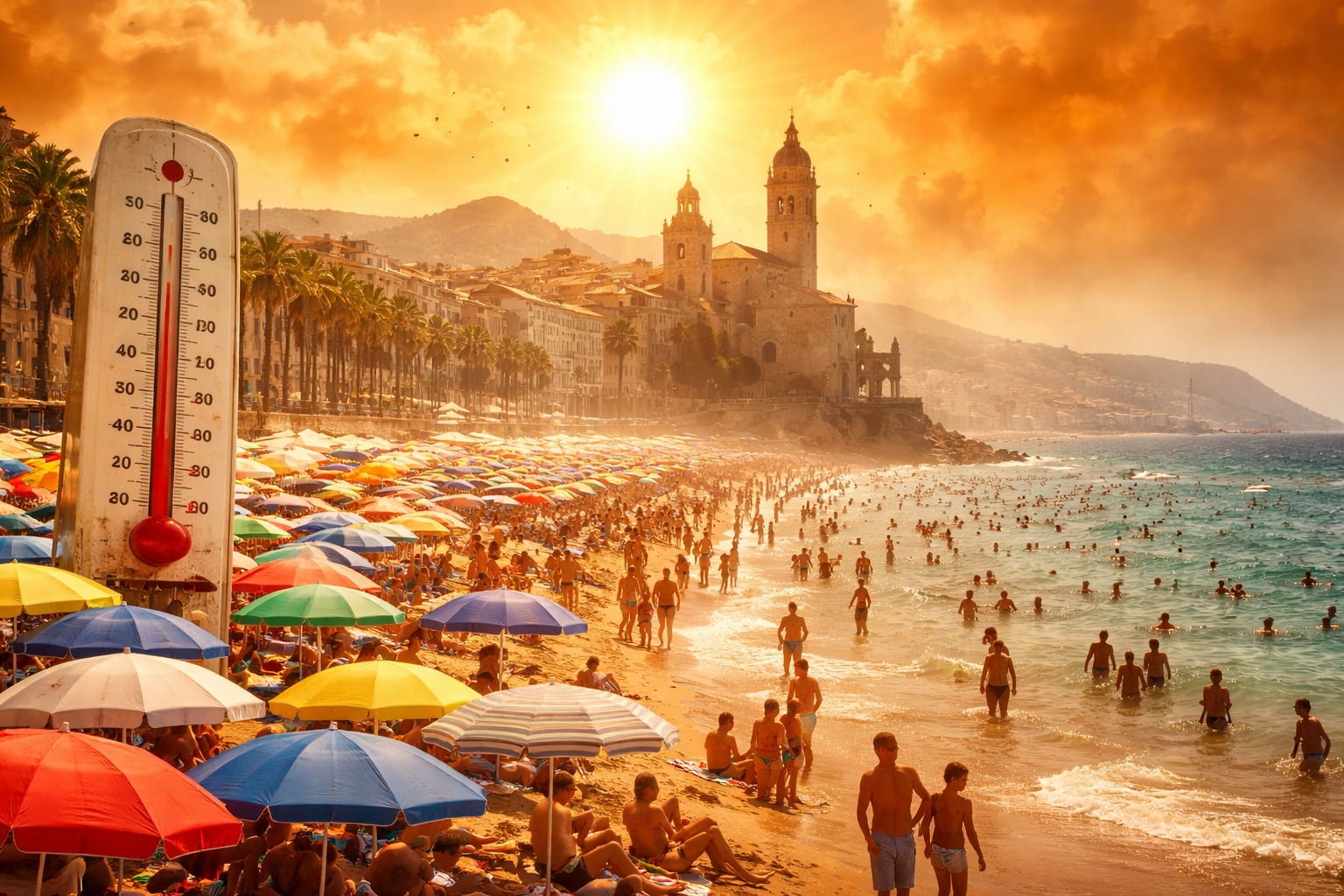
This summer, Europe endured record-breaking heatwaves that transformed the traditional Euro summer experience into a challenging ordeal for millions of tourists. Ancient, uncooled buildings in historic city centers became unbearable, with temperatures higher than ever recorded, forcing closures and altering travel habits.
Visitors to iconic destinations faced severe discomfort as air conditioning remained scarce and heat made sightseeing dangerous. Major landmarks like Notre-Dame Cathedral limited access, and the Eiffel Tower closed its doors by 4 p.m., measures taken to protect visitors from heat-related risks.
Heat and Infrastructure Strain Across Europe
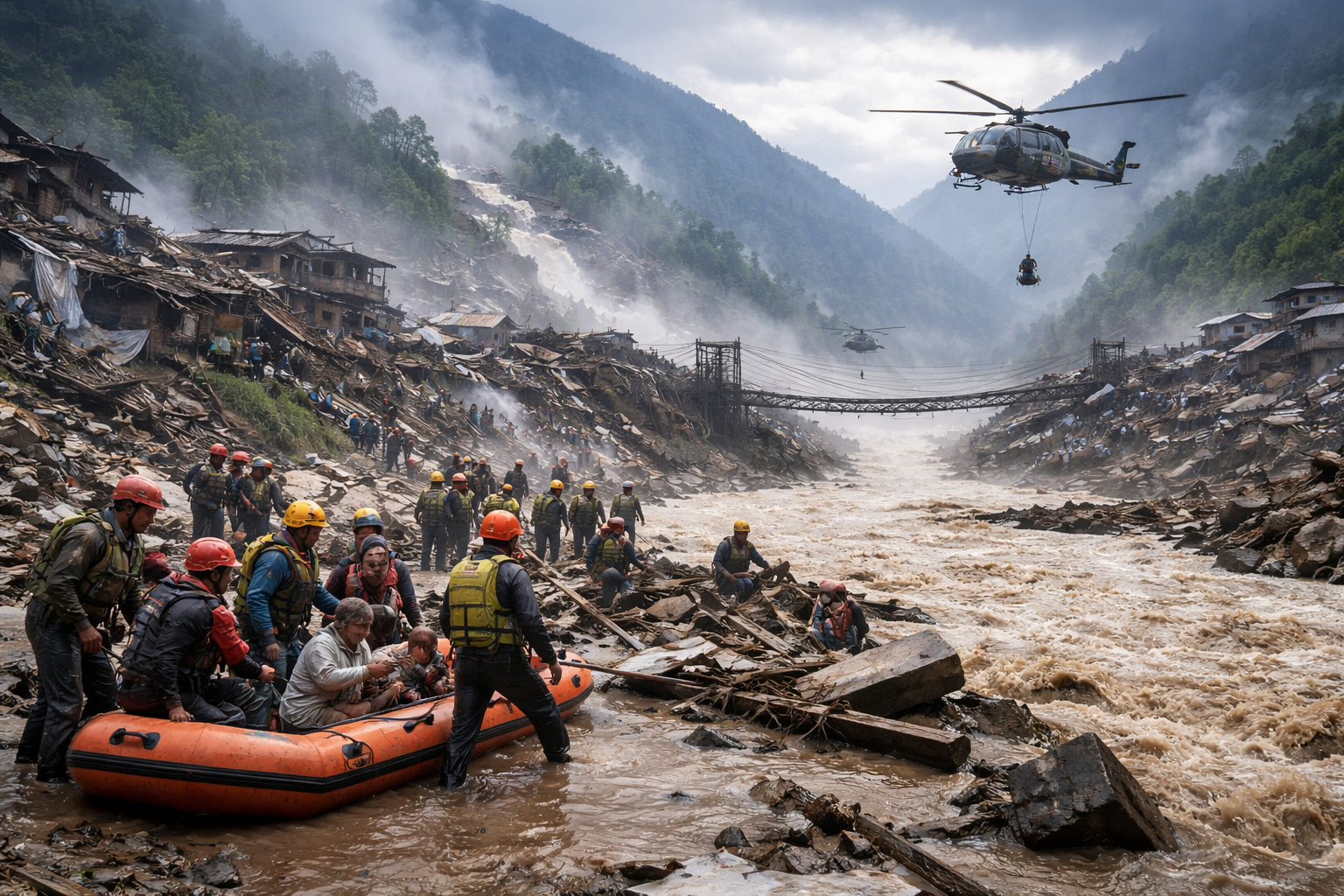
The extreme temperatures had widespread effects beyond tourism. Essential infrastructure suffered: overheating signal systems disrupted transport, asphalt melted affecting tram tracks, and railways buckled under intense heat. The heat waves led to at least 35,000 more deaths than expected across Europe, with heatstroke a notable cause.
Urban centers were overwhelmed by not only heat but also an unpleasant mix of decomposing waste and body odors, underscoring the inability of cities built centuries ago to cope with current climate extremes. Residents sought relief in canals late at night and endured sleepless nights in poorly ventilated rooms.
Challenges to European Travel Traditions and Future Adaptations
These conditions have eroded the allure of the Euro summer, traditionally showcased on social media with images of azure shores and lively street cafes. Travelers now must carefully schedule activities to avoid midday heat, seek accommodations with air conditioning where available, and sometimes pay premiums for cooling.
Experts suggest that lessons can be drawn from places like Australia, where some adaptation strategies exist despite their own shortcomings. Proposals include public education on sun safety, planting shade-providing trees, revising work schedules, installing cooling systems in public spaces, and implementing heat-warning systems with legal protections for outdoor workers and schoolchildren.
This summer’s heat may prompt shifts in vacation choices, with Australians in particular considering forgoing the traditional Euro summer in favor of cooler stays at home.