

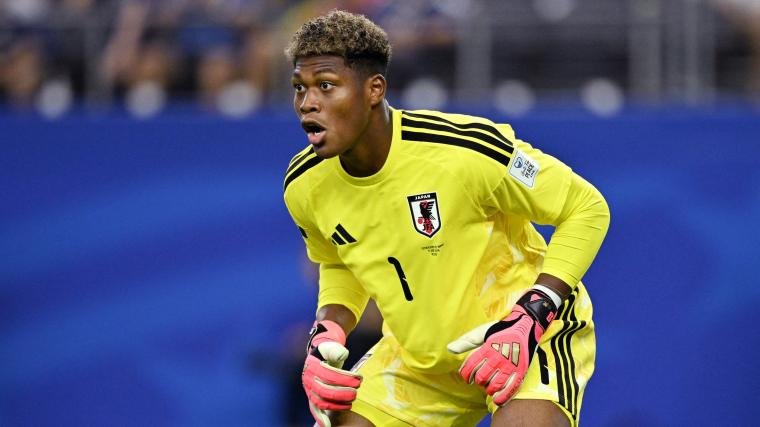
Why does Zion Suzuki play for Japan? Explaining American-born goalkeeper’s dual citizenship for World Cup originally appeared on The Sporting News. Add The Sporting News as a Preferred Source by clicking here.
Zion Suzuki is one of the standout goalkeepers at the 2026 FIFA World Cup, with the Parma shot-stopper establishing himself as Japan‘s No. 1.
Advertisement
However, some fans may be surprised to learn that Suzuki was born in the United States despite representing Japan on the international stage.
Here’s why Suzuki represents Japan, where he was born and how FIFA’s eligibility rules apply to his situation.
2026 WORLD CUP HQ:Latest World Cup news | Full World Cup schedule | Buy World Cup tickets
Why Zion Suzuki plays for Japan
Suzuki represents Japan through his Japanese mother and chose to commit his international future to Samurai Blue.
Since making that decision, he has developed into Japan’s first-choice goalkeeper and a key figure for the national team.
Advertisement
FIFA eligibility rules
Under FIFA rules, a player may represent a country if they were born there, have a parent or grandparent from that nation, or meet certain residency requirements.
Players who are eligible for multiple countries can choose which nation to represent, although switching associations becomes restricted once a player has appeared in competitive senior international matches.
Where is Zion Suzuki from?
Suzuki was born in Little Rock, Arkansas, in the United States on August 21, 2002.
However, he spent much of his childhood in Japan and came through the youth system of Urawa Red Diamonds, one of the country’s most successful clubs.
Advertisement
Is Zion Suzuki Japanese?
Yes. Suzuki holds Japanese nationality and is eligible to represent the country on account of this and his parentage.
Zion Suzuki parents
Suzuki was born to a Japanese mother and a Ghanaian-American father.
His family background gives him ties to Japan, Ghana and the United States, reflecting the multicultural heritage that has been a talking point throughout his career.
Under FIFA eligibility rules, Suzuki would have been allowed to represent the United States or Ghana before he played for Japan in a competitive international.
MORE WORLD CUP NEWS:
See More: https://www.ubirataonline.com.br