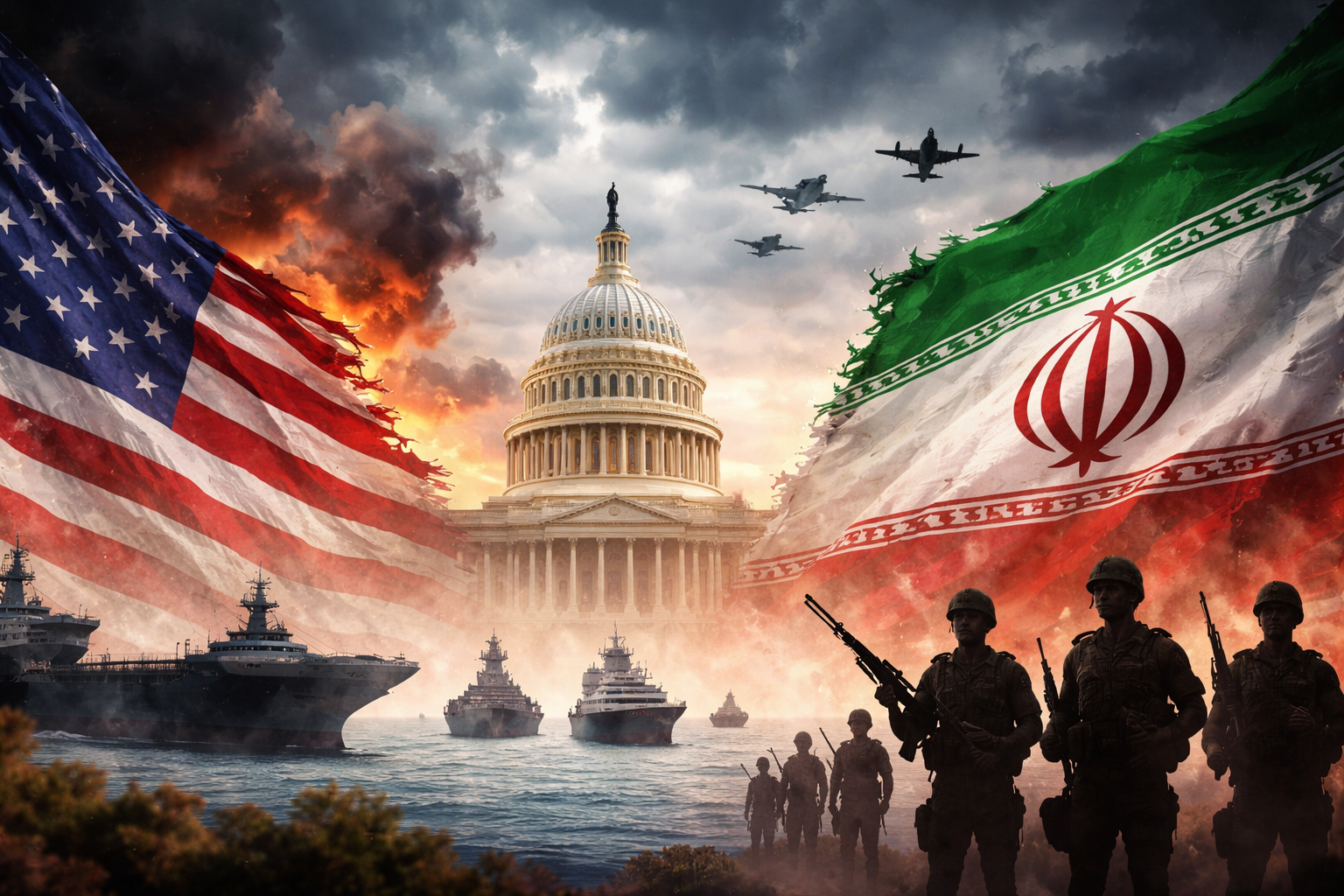
The recent US midterm elections resulted in a significant loss for Donald Trump’s party, with the former president acknowledging that tensions with Iran likely influenced voter sentiment, especially regarding the impact on gas prices. Despite this political setback, concerns remain about whether Gulf states will avoid further conflict linked to escalating US-Iran hostilities.
Observers have noted that both the US and Israel had restrained major military actions against Iran pending the midterms. However, reports suggest the Trump administration warned Gulf governments to prepare for a brief but intense military campaign shortly after the elections, signaling ongoing regional volatility.
Potential for Escalation Amid Political Transition
Though foreign policy decisions traditionally rest with the US president, a Democrat-controlled Congress taking office next year could theoretically restrict funding for military operations. Yet political scientists writing for Foreign Affairs highlight a historical pattern where “lame duck” presidents, unable to secure another term and losing congressional control, sometimes intensify international interventions to cement their legacy. Iran remains a probable focus of such actions, although Trump has publicly stated no urgency to relaunch bombing campaigns.
Iran’s Strategic Posture and Regional Implications
Iranian officials have declared readiness for any attack, with senior leaders suggesting a willingness to expand target scopes potentially to energy, economic infrastructure, and even underwater telecommunications in the Gulf. Experts like Ross Harrison of the Middle East Institute warn that if Iran perceives an existential threat, its retaliation could be unprecedented. Conversely, some analysts believe Iran held back pressure tactics before the US elections and might now be more open to negotiations.
Gulf States: Diplomatic Strains and Security Reassessments
Countries in the Gulf, which have borne much of the burden from Iranian strikes, find themselves in a complicated position. UAE foreign policy adviser Anwar Gargash expressed a strong desire for political solutions to avoid conflict. Meanwhile, Qatar has attempted to mediate between Iran and the US while conducting emergency preparedness drills, paralleled by similar measures in the UAE and Saudi Arabia. Saudi Arabia faces additional pressures from the ongoing conflict in Yemen, and Egypt has reportedly enhanced defenses around the Suez Canal.
Despite longstanding US military presence, Gulf states are increasingly critical of Washington’s unpredictable policies and perceived prioritization of Israel’s security over theirs. Analysts argue this erosion of trust may mark a turning point in US influence dating back to the Gulf War in 1991.
Shifting Alliances and Future Security Dynamics
In response, Gulf states are branching out strategically, with the UAE deepening ties to Israel and Saudi Arabia joining a defense pact involving Pakistan and Turkey. Some experts advocate for Gulf unity to pressure the US against attacking Iran and to pursue a direct non-aggression pact with Tehran. Yet former US ambassador Ryan Crocker cautions that significant internal rifts among Gulf states, including residual distrust stemming from the 2017 Qatar crisis and differing stances on Israel, make such cooperation unlikely in the near term.
Longer term, regional analysts contend Gulf states recognize they cannot rely exclusively on Washington for security and must engage pragmatically with Iran to establish stability. The exact nature of any future diplomatic arrangements remains uncertain, underscoring the fragile balance Gulf leaders must manage amid ongoing conflict risks.