
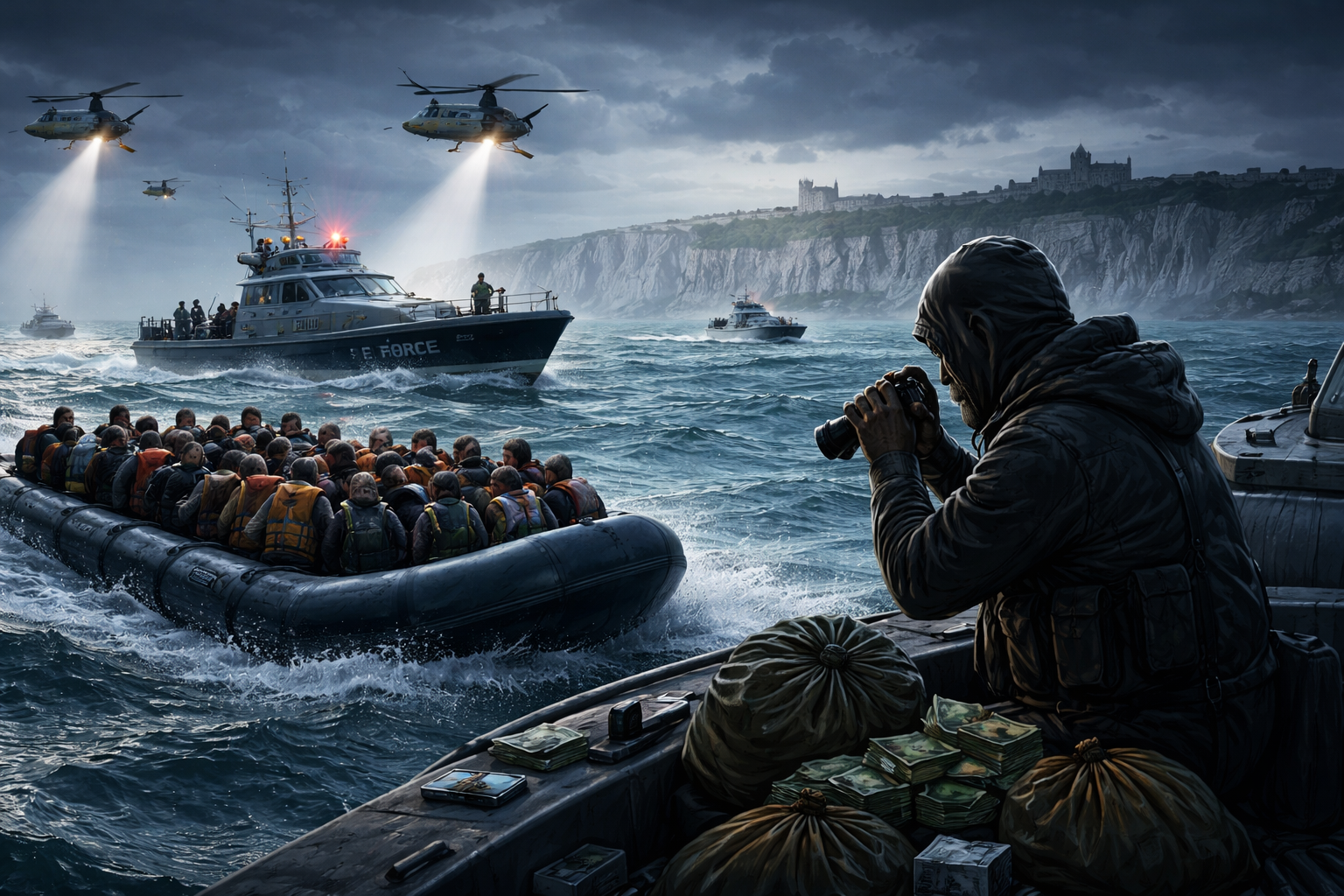
Migrant smuggling across the English Channel remains a persistent challenge despite the UK government’s efforts to curb small boat crossings. Asylum seekers in northern France describe smugglers operating with remarkable speed and adaptability, switching between multiple plans to evade law enforcement and continue transporting people to the UK.
In the region near Boulogne-sur-Mer, smugglers rapidly assemble dinghies hidden in sand dunes, utilizing favorable weather and the absence of French police patrols to launch crossings. Amad, an asylum seeker from Iraq, told sources that while the UK aims to stop smugglers, the criminal networks have several contingency plans, ensuring they remain profitable and operational as long as vulnerable migrants continue to pay them.
End of “One In, One Out” Scheme and Its Implications
The UK government recently ended the “one in, one out” pilot scheme, which facilitated the forced return of one small-boat arrival to France in exchange for legally resettling another asylum seeker in the UK. After relocating approximately 1,500 people in both directions, the initiative was deemed ineffective and could not be scaled up according to government assessment.
Non-governmental organizations working in northern France expressed no surprise at the scheme’s failure and emphasized the need for a broader debate on addressing the Channel crisis. Meanwhile, the UK Home Office announced a refugee resettlement program expected to aid only a few hundred people annually, unlikely to impact the smuggling operations significantly.
Harsh Conditions and Increased Police Violence
Conditions for migrants living in makeshift camps, such as in the so-called Jungle in northern France, are reportedly appalling. Organizations like Utopia 56, which monitor police interventions on French beaches, indicate a marked rise in police violence against asylum seekers since the UK increased funding to France for “stop the boats” efforts. This violence reportedly rose by nearly 40% between April and August 2026 compared with the previous year.
Medical charity Médecins Sans Frontières UK warns that the UK-funded police measures have inflicted severe physical and psychological harm on migrants who have fled war and persecution. Experts argue that migrants will continue risking Channel crossings until safe, accessible legal routes are provided.
Calls for Safe and Legal Routes to Undermine Smuggling Networks
The Public and Commercial Services union, in collaboration with the charity Care4Calais, has proposed a refugee visa-to-travel scheme that would allow asylum seekers to enter the UK legally. The plan seeks to eliminate the demand fueling smugglers by providing a controlled, safe alternative, with claims processed fairly and removals enforced if claims are rejected.
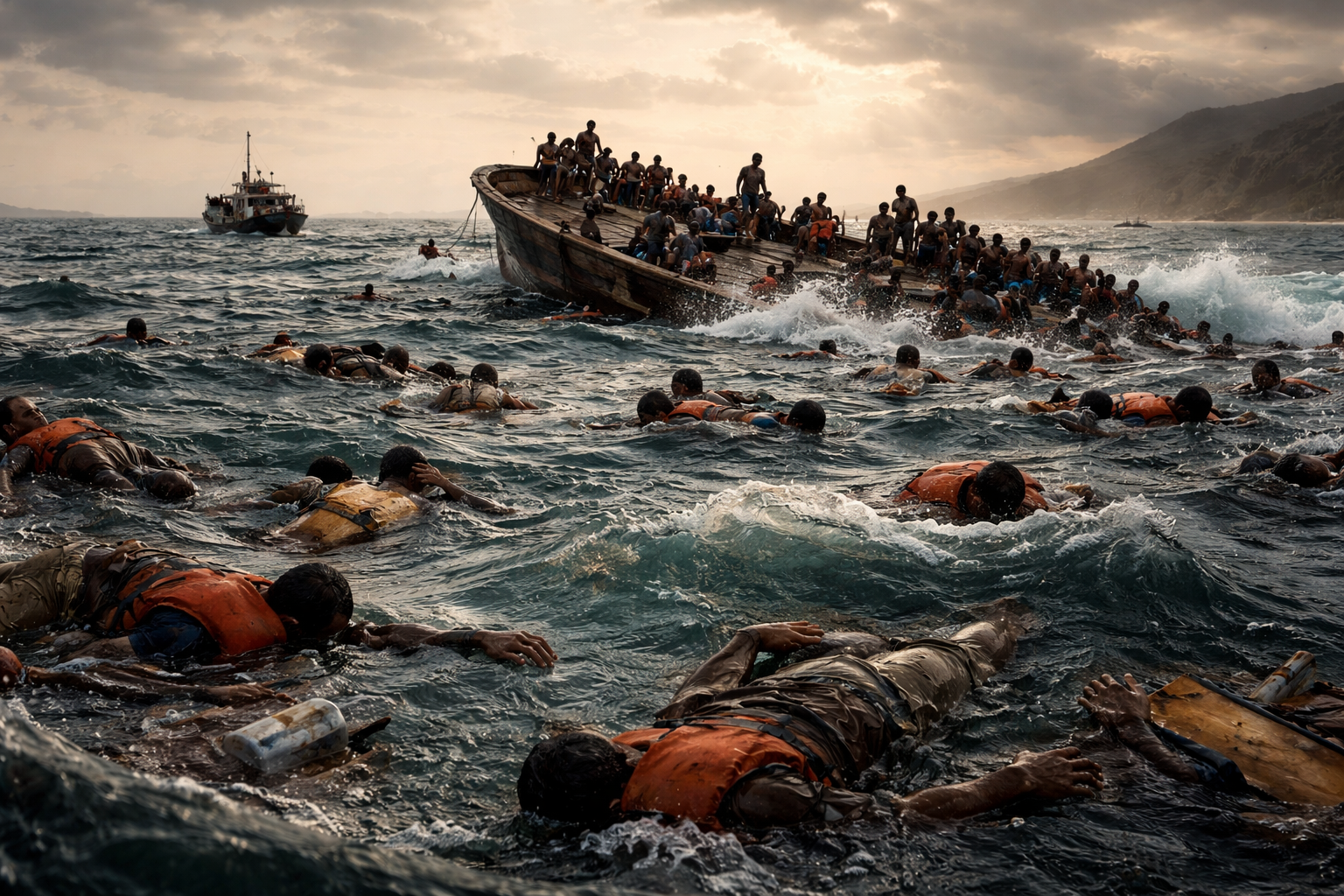
Care4Calais representatives highlight that successive UK governments have primarily focused on border security measures that have inadvertently made Channel crossings more perilous, resulting in many deaths. They insist that expanding safe legal pathways is the only viable strategy to reduce smuggling profits and save lives.
The Enduring Determination of Asylum Seekers
Despite policies and law enforcement efforts, asylum seekers like Sohrab from Afghanistan remain resolute in their determination to reach the UK, often enduring harsh treatment and violence. Many migrants openly express preference for legal entry routes and resent having to rely on dangerous and exploitative smuggling operations.
While the UK government and some analysts advocate for renewed cooperation with European partners to develop responsibility-sharing arrangements and improved return deals, the ultimate resolution of this complex crisis remains uncertain. The persistent flow of migrants crossing the Channel in small boats highlights the ongoing challenges in balancing border security with humanitarian concerns.