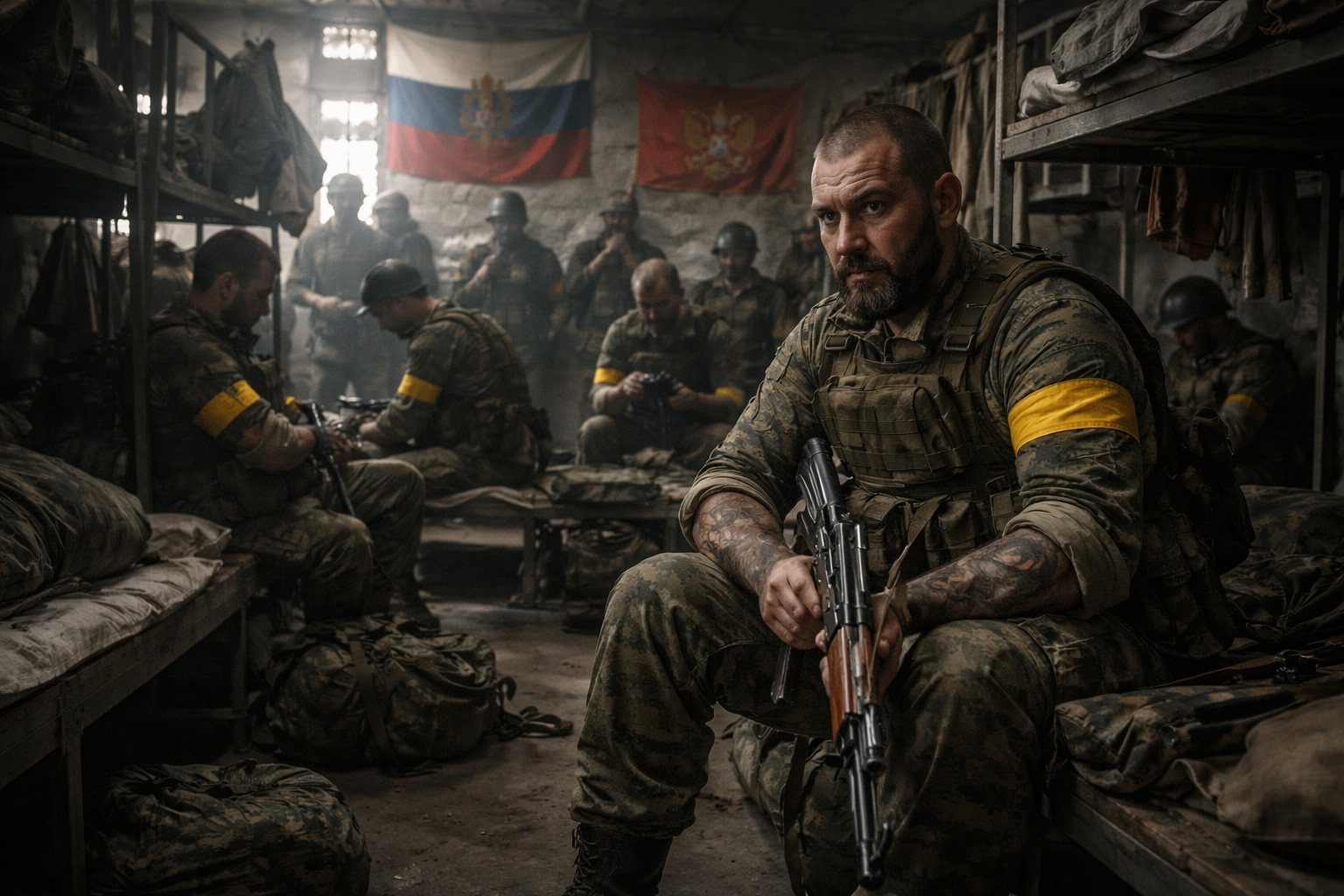
Reports have surfaced since late 2022 about Russian combat units composed largely of Ukrainian prisoners of war (POWs) and former Ukrainian military personnel. These units were eventually consolidated into the Ukrainian Volunteer Special Forces Brigade in August 2026, with the Maksym Kryvonis battalion being the most publicly visible.
The battalion, named after a 17th-century Ukrainian Cossack commander, reportedly has between several dozen to about 200 fighters, according to conflicting Russian media reports and available footage. Ukrainian investigations have identified over 30 battalion members, all confirmed as former Ukrainian service members captured between 2023 and 2024.
Forced Recruitment Amid Torture and Psychological Pressure
<pEyewitness accounts from ex-POWs like Pavlo Oliynyk detail brutal treatment during Russian captivity, including electrocution, beatings, and psychological torture. He joined the Maksym Kryvonis battalion not out of genuine allegiance but as a means to escape Russian captivity and ultimately flee back to Ukrainian-controlled territory.
Human rights organizations and experts, including the UN Office of the High Commissioner for Human Rights, report that 95% of released Ukrainian POWs interviewed recounted torture or ill-treatment under Russian detention. This raises serious doubts about the voluntariness of their recruitment, with accusations that coercion and intense psychological pressure were common.
Questioning the Legitimacy and Purpose of These Units
Experts like Pavel Luzin argue that these Russian-controlled Ukrainian units are an “imitation” aimed at diverting attention from Russian volunteer corps fighting within Ukrainian forces. Ukrainian military intelligence concurs that these formations serve Moscow’s propaganda and military objectives, exploiting captured soldiers.
Former prisoners and war veterans describe systematic efforts by Russian forces to offer captured Ukrainians a chance to join their ranks, often after torture demonstrated the Russians’ control. While some prisoners may have shifted sides voluntarily, many were driven by survival in horrific captivity conditions, blurring the lines between voluntary and involuntary enlistment.
Conditions Within and After Joining the Units
Those who signed up, like Oliynyk, reportedly did so without formal contracts from Russia’s Defense Ministry but rather through private agreements. Reports indicate that members endure strict surveillance, including constant monitoring of phone usage, with some guarded by private Russian military contractors and subjected to beatings and wage payments in cash envelopes.
Oliynyk fled before seeing combat and spent days evading Russian forces before reconnecting with Ukrainian troops. He is now detained in Ukraine pending a treason investigation, though not formally charged.
This complex and troubling situation highlights the difficulties in assessing the moral and legal status of Ukrainian POWs pressed into Russian military service amid ongoing conflict and human rights abuses.