
Ukraine’s precise offensive reclaims over 700 sq km of contested territory; frontline troops call for urgent support amid tough conditions
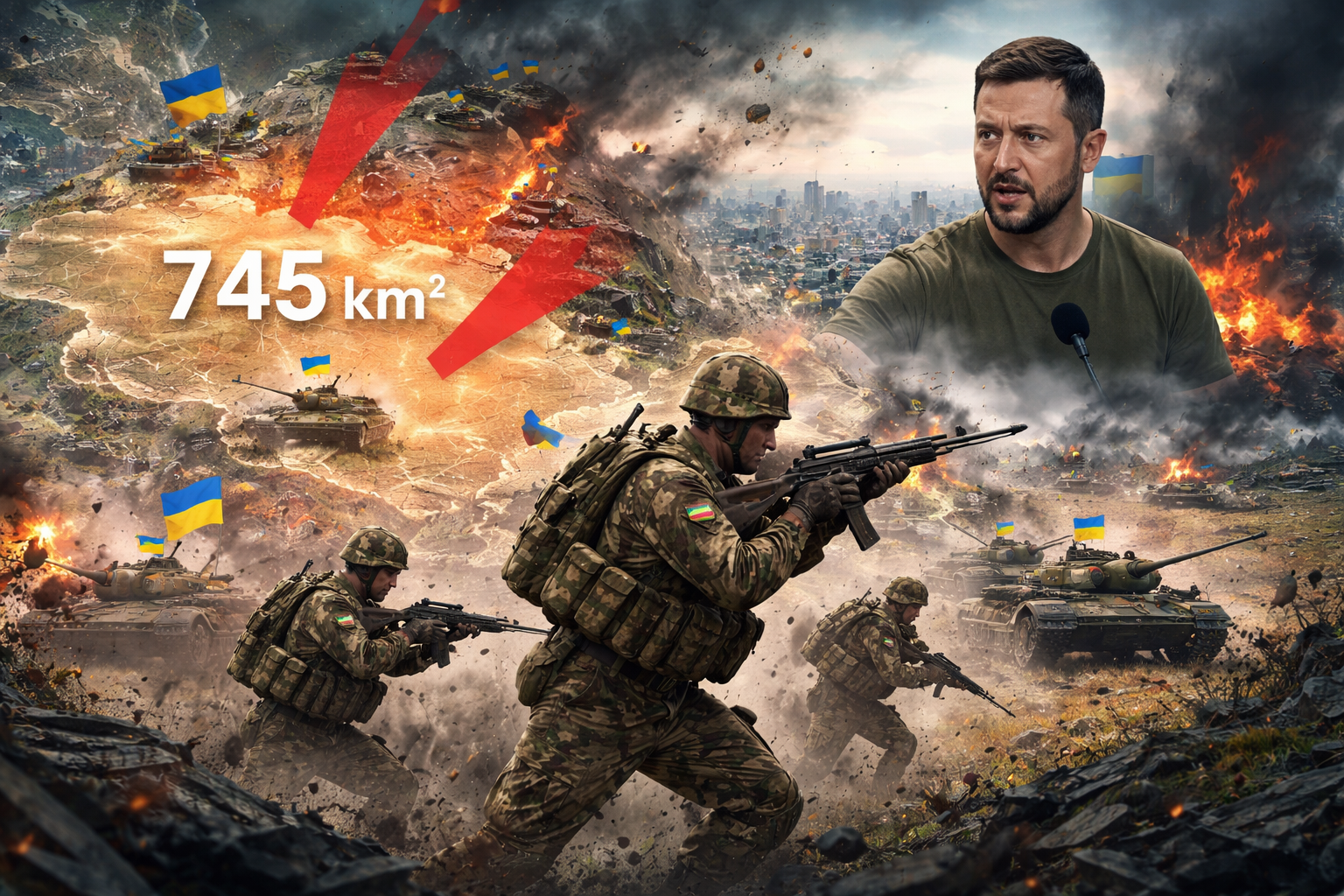
Ukraine has made significant battlefield gains in 2024, reclaiming approximately 745 square kilometers of Russian-occupied land in the crucial Oleksandrivskyi sector. President Volodymyr Zelenskyy described the recent offensive operation as executed “with precision – exactly as planned,” highlighting the effectiveness of Ukrainian forces this year.
This recapture comes despite persistent threats and frequent Russian attempts to advance, particularly in eastern Donetsk. Ukrainian officials also reported severe challenges faced by frontline soldiers, including shortages in supplies and rotations, intensifying the human cost of the conflict. Meanwhile, missile attacks and drone strikes have impacted both sides’ infrastructure and military capabilities.
The following report offers an in-depth overview of the latest battlefield developments, operational impacts, and humanitarian concerns since the ongoing war’s start, relying on statements from Ukrainian authorities, independent analysts, and military assessments.
Information sourced from reports by Zelenskyy, the Ukrainian open-source group DeepState, and various international security experts.
Strategic gains in the Oleksandrivskyi sector reaffirm Ukrainian control
According to President Zelenskyy, the offensive undertaken from January to August 2024 led to the recapture of 745 square kilometers in the Oleksandrivskyi sector, a frontline stretch spanning parts of Dnipropetrovsk, Zaporizhzhia, and Donetsk oblasts. During this operation, Ukrainian airborne assault and other units inflicted substantial losses on Russian forces, with at least 9,550 Russian soldiers killed and more than 6,600 wounded.
Zelenskyy confirmed that 26 settlements in this zone have been returned to Kyiv’s control, closely matching assessments from the respected DeepState monitoring group, which reported Ukrainian forces restored control over 19 settlements and pushed back Russian troops in an additional six. Despite Russian military claims of capturing villages, experts suggest these are often brief incursions involving small numbers of troops rather than stable advances.
The US-based Institute for the Study of War noted that Russian sources might be leveraging AI-enhanced videos to exaggerate their reported gains, underlining the complex information warfare occurring alongside physical fighting.
Impactful attacks on Russian naval and energy infrastructure
Ukraine carried out a major attack on the Russian Black Sea port of Novorossiysk, striking warships at a naval base and halting operations at two large grain terminals. Zelenskyy’s office reported damage to multiple vessels, including two frigates and a large landing ship, describing the strike as having “strategic significance.” The Ukrainian SBU security service detailed that drones and missiles targeted the Novorossiysk naval base effectively.
These strikes had tragic consequences, with at least two civilians killed, including an eight-year-old child, according to the regional Russian governor. Novorossiysk also hosts vital oil export infrastructure used by the Caspian Pipeline Consortium. Following diplomatic talks, Ukraine agreed not to target certain oil facilities owned by Western companies, helping avoid broader economic disruptions.
Rising missile threats and urgent calls for air defense support
Zelenskyy revealed that Ukraine currently has fewer Patriot missile interceptors than needed, with just 1% of the US stock available, requesting an increase to 5% to endure the winter and counter Russia’s intensified missile launches. He stated, “Russia has two times more ballistic missiles per month than they had before,” emphasizing the urgency to obtain more missile defense capabilities.
In response to the evolving missile threat, Ukraine’s air force has ceased publishing detailed figures on Russian missile strikes but continues to provide real-time warnings and general statistics to maintain public awareness without compromising operational security.
Simultaneously, Russia’s Orenburg region introduced fuel rationing after Ukrainian drone strikes targeted the Orsk refinery, reflecting ongoing Russian domestic challenges triggered by Ukrainian military actions.
Frontline hardships highlight urgent soldier support needs
A distressing video emerged of Ukrainian soldiers appealing for help after enduring four months on the frontline without rotation and consuming urine during a 12-day period lacking water supply drops from drones. The 121st Brigade command confirmed the video’s authenticity and described the conditions as “extremely difficult,” assuring continued efforts to supply troops.
Platoon commander Anatoliy Saichuk criticized senior military leaders for misleading soldiers’ families about frontline conditions, revealing cases where servicemen became semi-conscious from lack of food and water, leading him to abandon positions when possible. The South joint forces group described the sector as “difficult and dynamic,” emphasizing the complexity on the battlefield.
Logistics and export routes adapt amid ongoing Russian attacks
Moldova agreed to provide a 50% discount on rail cargo shipments to Ukraine through the end of 2024, offering a crucial alternative for Ukrainian grain exports affected by Russian strikes on sea ports. Ukraine’s Izmail port near the Romanian border suffered night attacks causing damage and fire, disrupting operations at the largest Danube port in Ukraine, a key grain outlet.
In response to Ukrainian strikes in the Black Sea, Russia is attempting to redirect its agricultural exports through other routes to mitigate losses.
These developments illustrate the interconnected nature of battlefield outcomes, logistics challenges, and international cooperation in sustaining Ukraine’s war effort and economic resilience amid continued conflict.