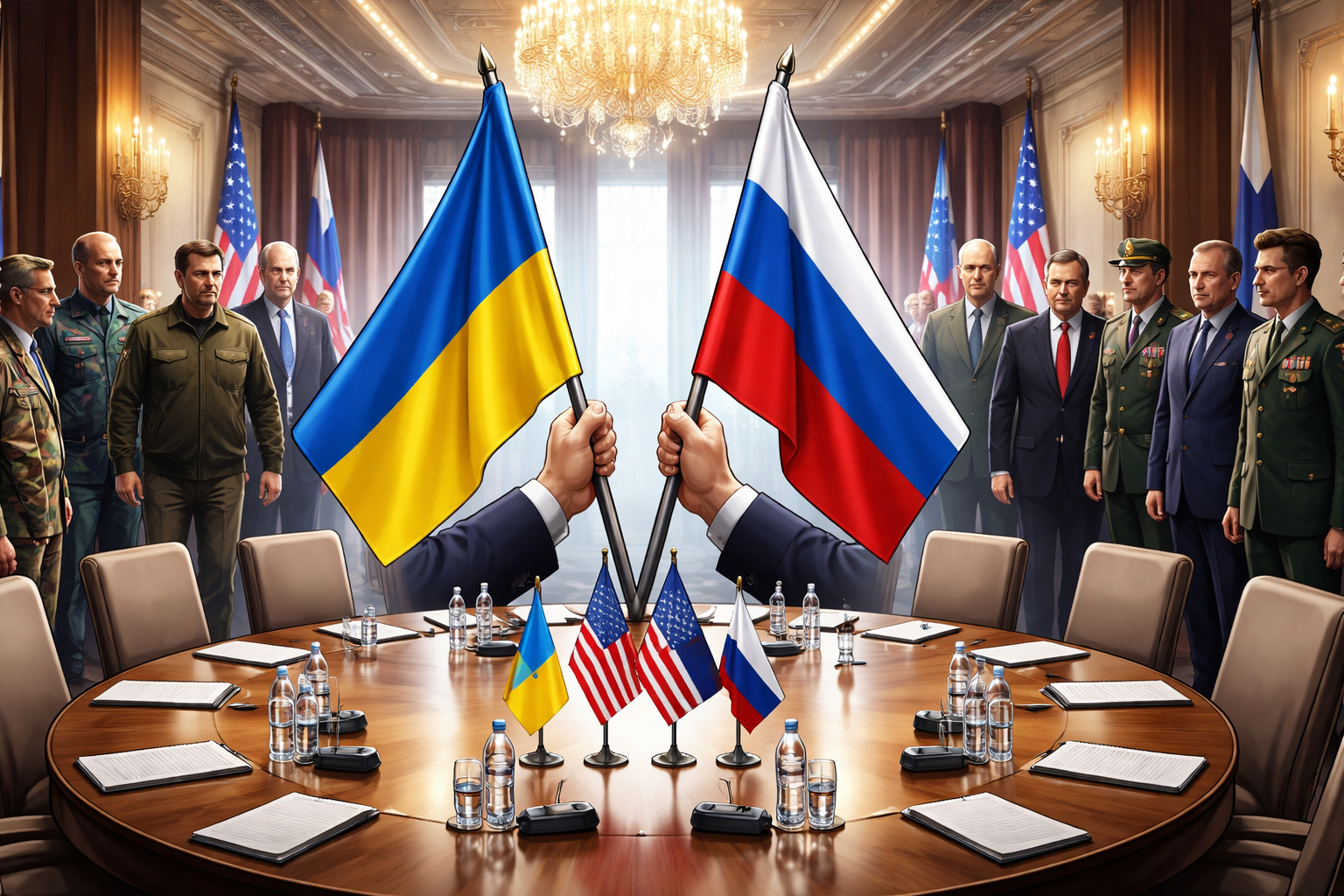

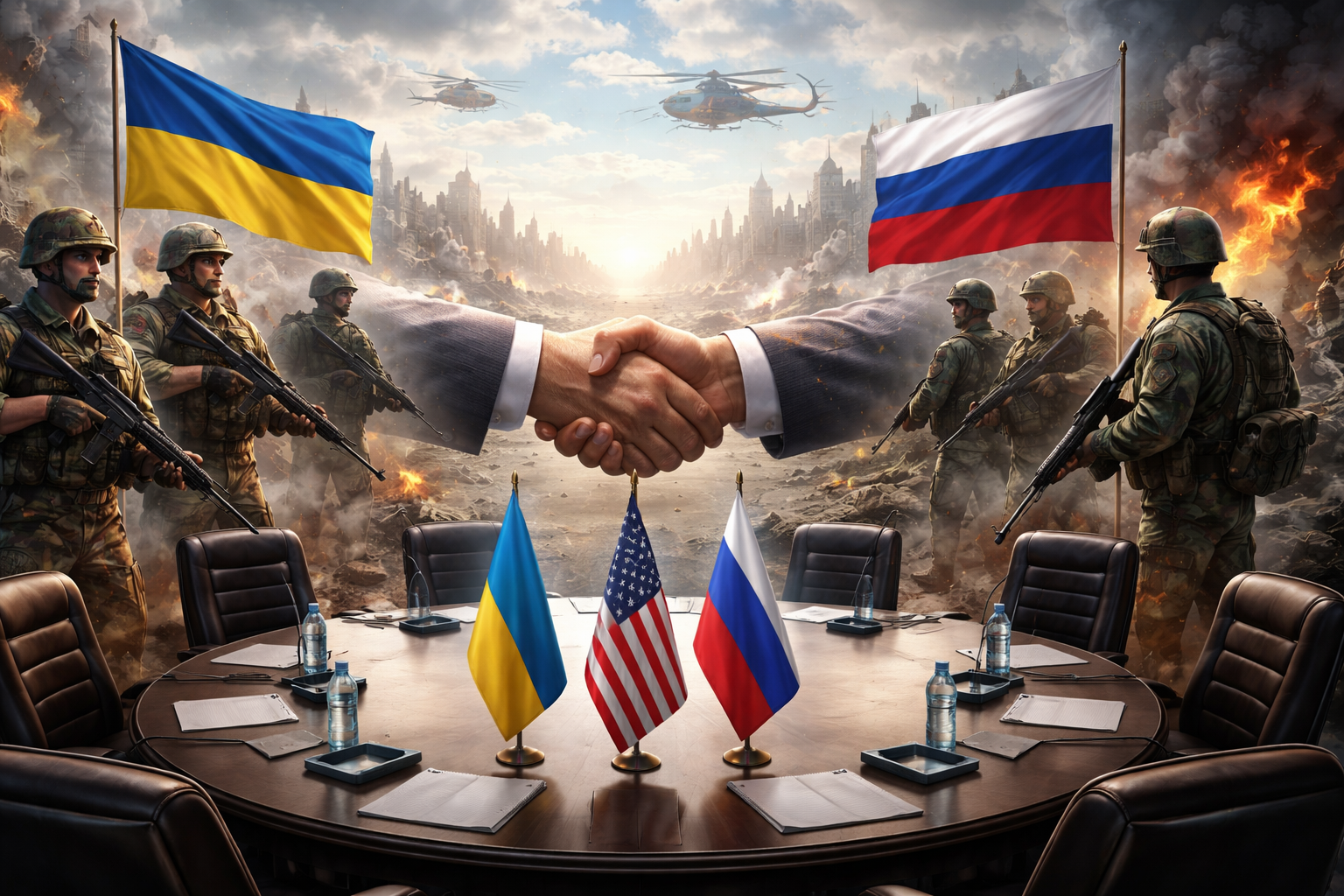
Ukraine and Russia have indicated their willingness to resume US-mediated trilateral talks in October aimed at ending the ongoing war, according to statements from officials in both countries. The talks, facilitated by US envoys Steve Witkoff and Jared Kushner, are seen as crucial but face significant challenges, especially regarding territorial control in eastern Ukraine and energy infrastructure attacks.
Kyrylo Budanov, head of the Ukrainian president’s office, confirmed preparations for negotiations in October, while Kremlin spokesman Dmitry Peskov acknowledged that talks in the foreseeable future remain possible. The last round of trilateral discussions took place earlier this year in Abu Dhabi and Geneva without resolving key disputes.
Territorial Control Remains a Core Challenge
Disagreements over territory continue to stall progress. US envoy Jared Kushner stated that Russian leader Vladimir Putin’s demands exceed current Russian-controlled areas in Ukraine. The Ukrainian side has expressed willingness to freeze fighting along existing frontlines if security guarantees are provided. A recent poll by the Kyiv International Institute of Sociology showed that 60% of Ukrainians support freezing the frontline, while a similar majority oppose ceding any territory that Russia has not conquered. About 33% believe Ukraine should concede areas demanded by Russia.
Russia Maintains Air Superiority and Targets Ukraine’s Economy
Experts note that a negotiated settlement requires balanced military conditions, which are currently absent due to Russia’s air superiority. Kyiv faces shortages of interceptors against Russian ballistic missiles and increased drone attacks, including newer jet-powered drones that are harder to counter. Russian strikes increasingly focus on Ukraine’s economic infrastructure, such as warehouses, energy facilities, and railway networks.
Kyiv attributes these attacks to a strategy aimed at forcing Russia to negotiate, while the Kremlin blames Ukraine for escalating the conflict by targeting Russian economic and energy sites.
Winter Concerns and Calls for Partial De-escalation
With winter approaching, Ukraine anticipates substantial difficulties due to ongoing destruction of critical infrastructure and economic strains, echoing challenges faced in 2025 when Russian assaults caused widespread blackouts and heating shortages. Ukraine calls for a reduction in attacks on energy infrastructure and unblocking grain exports through the Black Sea as initial steps toward negotiation.
Ukraine’s leader stated energy and grain issues could pave the way for talks. However, an energy truce remains elusive, as Russia leverages Ukraine’s vulnerability during winter. Meanwhile, former US President Donald Trump urged Ukraine to cease attacks on Russian diesel fuel facilities, claiming without official confirmation that an energy truce between the two countries had been agreed upon.
Kremlin Rejects Leader-Level Meeting; Negotiations to Involve Teams
The Kremlin has dismissed Ukraine’s proposal for a leader-level meeting at the upcoming G20 summit in Miami, indicating Putin’s preference to negotiate with Trump rather than Ukraine’s leader. Should talks begin as expected, discussions are likely to be conducted by negotiating teams rather than heads of state. Ukraine maintains that territorial issues require decisions at the presidential level.
The complex negotiations ahead highlight ongoing tensions and the difficulty of reaching a peaceful resolution amid military stalemates and political gridlock.