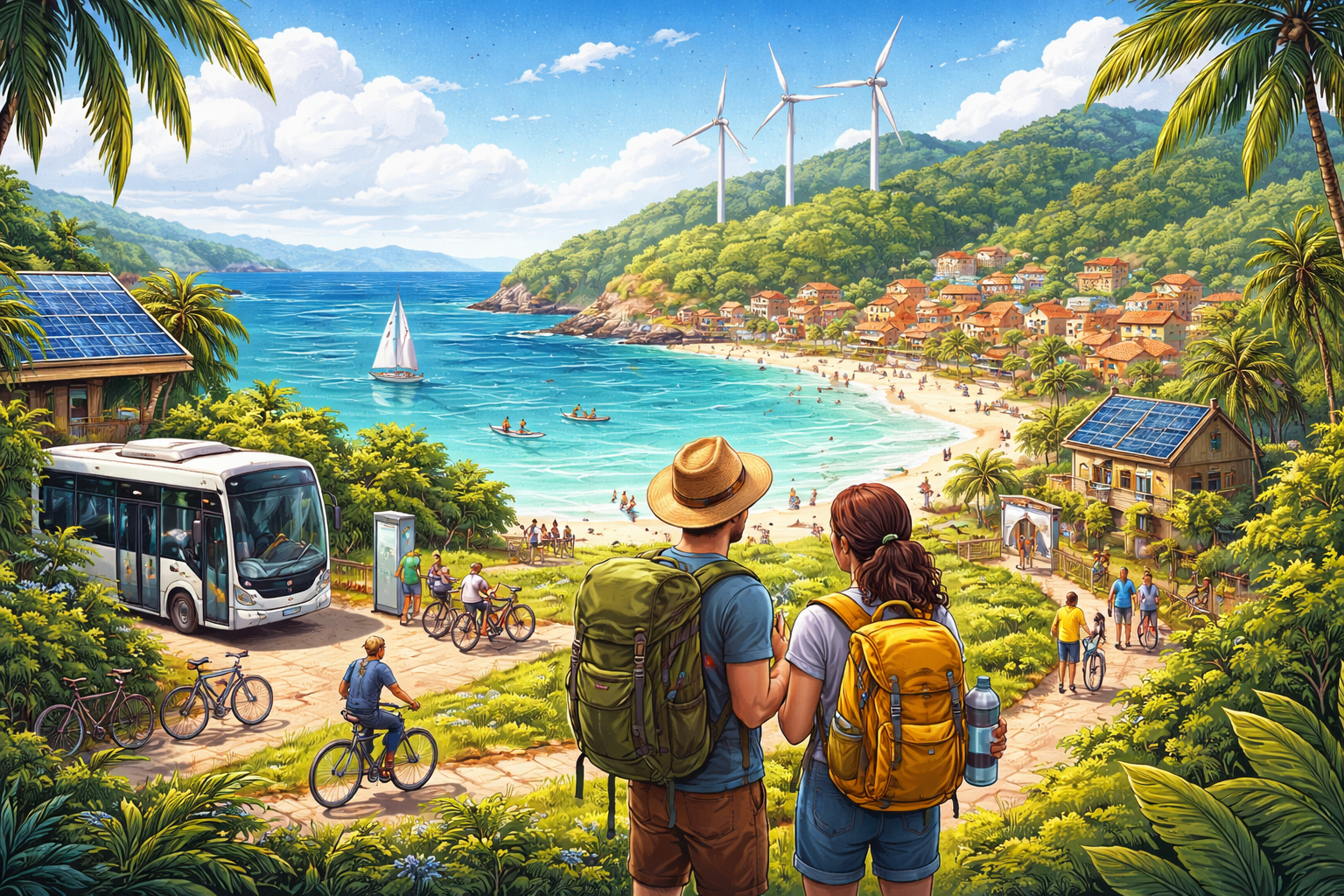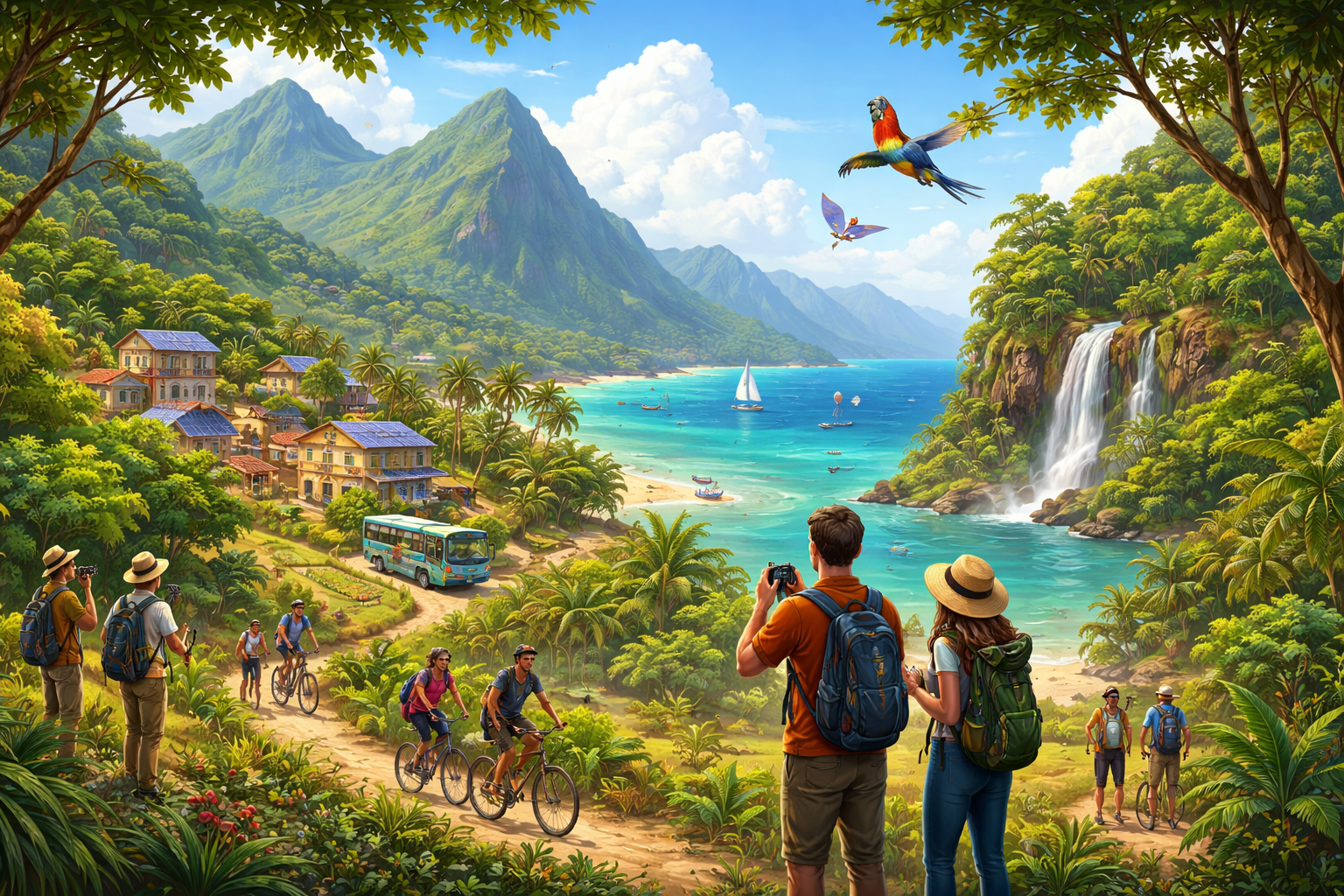
Latin America has become one of the fastest-growing regions for international tourism, with South America seeing a 7% growth and Central America 5% last year, surpassing the global average, according to the United Nations agency for responsible tourism. However, this boom in visitors has intensified overtourism concerns, with popular destinations facing environmental degradation and social tensions.
Experts at ITB Americas, a major travel industry event in Mexico, emphasize that sustainable and community-based tourism is shifting from niche to mainstream. They highlight the increasing traveler demand for authentic, environmentally positive experiences, signaling a significant change in the tourism landscape.
Overtourism Impacting Historic and Natural Sites
Iconic locations like Peru’s Machu Picchu, attracting up to 5,600 visitors daily, are under pressure due to excessive ticket sales that may put the site on UNESCO’s List of World Heritage in Danger. To protect the Galapagos Islands’ unique ecosystems, Ecuador doubled the entrance fee for foreign tourists to $200 in 2024. In Mexico City, neighborhoods such as Roma and Condesa are facing protests over rising rents linked to tourism and digital nomad influx.
Community-Based Tourism Gains Momentum
According to Richard Bazan of Planeterra, smaller travel groups and nature-positive tourism—such as programs funding reforestation—are emerging trends. These foster closer connections between travelers and local communities. Sarah Payne from the UnTours Foundation noted the critical need for accessible financing tailored to local communities, who often do not receive a fair share of tourism revenue. Sebastián Muñoz, co-founder of Rutopia, stated that co-creating tours with communities enhances their sense of ownership and supports cultural preservation.
Balancing Growth and Sustainability
The tourism industry’s major challenge is how to accommodate growth without compromising sustainability. Experts agree that local communities should lead decisions on development, with industry stakeholders listening and supporting rather than imposing solutions. Sustainable tourism also extends beyond environmental benefits to include social impacts such as language revitalization and cultural appreciation, as seen in Mexico’s Indigenous Mixtec community.
Though progress is gradual, the emphasis on respect for local environments and people aims to achieve long-term value and improve experiences for both travelers and host communities.