
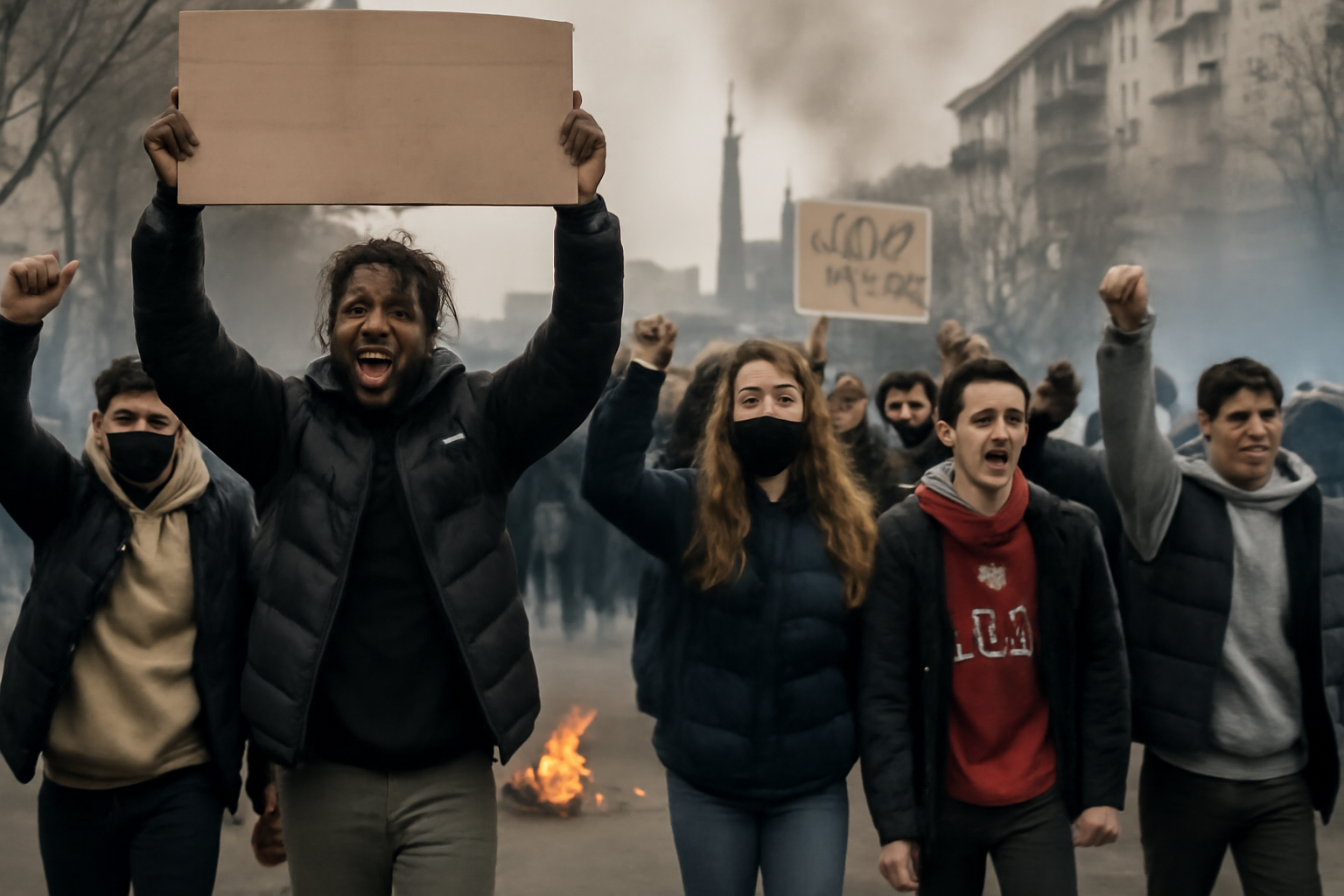
In the low-income suburb of Sevran northeast of Paris, high school students have taken to the streets demanding improvements to their severely underfunded schools. The protests highlight urgent issues such as overcrowded classrooms, teacher shortages, and dilapidated facilities, while clashes with police have raised alarm over aggressive tactics.
The Lycée Blaise-Cendrars, where many of the protests are centered, is emblematic of wider educational inequalities in Seine-Saint-Denis, an area marked by poverty and a young population. Students like Mohammed, 17, describe classrooms so crowded some have no desks and must stand, and intense summer heat exacerbating already strained conditions.
Students Describe Dire School Conditions
Mohammed and his classmates report long absences of teachers without replacements, including critical subjects like French before national exams. Essential classroom equipment such as projectors and science materials are often missing, while basic facilities including toilets lack doors, soap, and paper. Photos and videos from students show broken furniture and walls with leaks.
Despite the region hosting the upcoming 2024 Paris Olympics and government pledges for refurbishment, students say their schools remain in disrepair and resources scarce. Ilian, another 17-year-old student with Moroccan roots, stressed that the disadvantage begins at home with parents unable to afford books or other educational support, making adequate school conditions even more critical.
Protests Met With Police Force and Political Responses
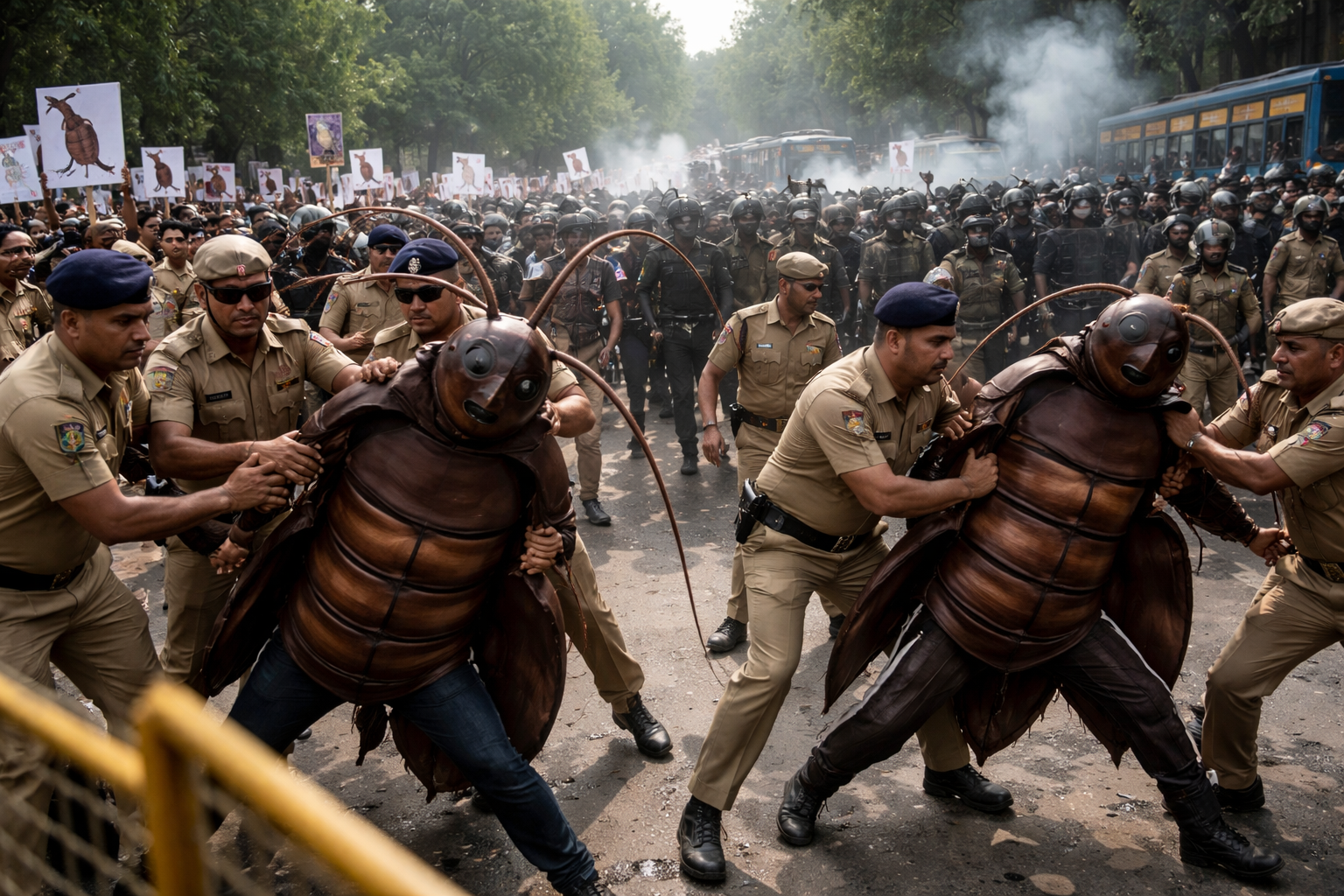
The weeklong protests have drawn hundreds of thousands across France, targeting educational inequality nationwide but with a strong focus on Seine-Saint-Denis. Hundreds of schools have been blocked, thousands of arrests made, and rights groups expressed concern over alleged police brutality. Mohammed described police on horseback charging protesters outside his school while using teargas.
Local politicians largely back the students’ demands, with the mayor of Sevran acknowledging feelings of neglect among residents. The head of the Seine-Saint-Denis council condemned policing tactics contributing to tensions and called for a ban on rubber-bullet launchers. The French interior minister, however, defended the police response.
Educational and Mental Health Challenges Persist
The education ministry has promised an urgent deployment of 3,000 teachers to fill staffing gaps, though unions remain skeptical without sustainable funding plans. Mental health support is also scarce—with long waits for child psychiatrists and missing school nurses—adding to students’ struggles.
The protests underscore deep-rooted issues of inequality and mistrust between youth and authorities in Paris’s suburbs, dating back to unrest in 2005. Students continue to demand not luxury, but essential resources to learn in decent conditions, pressing for government action before they can return to their studies.