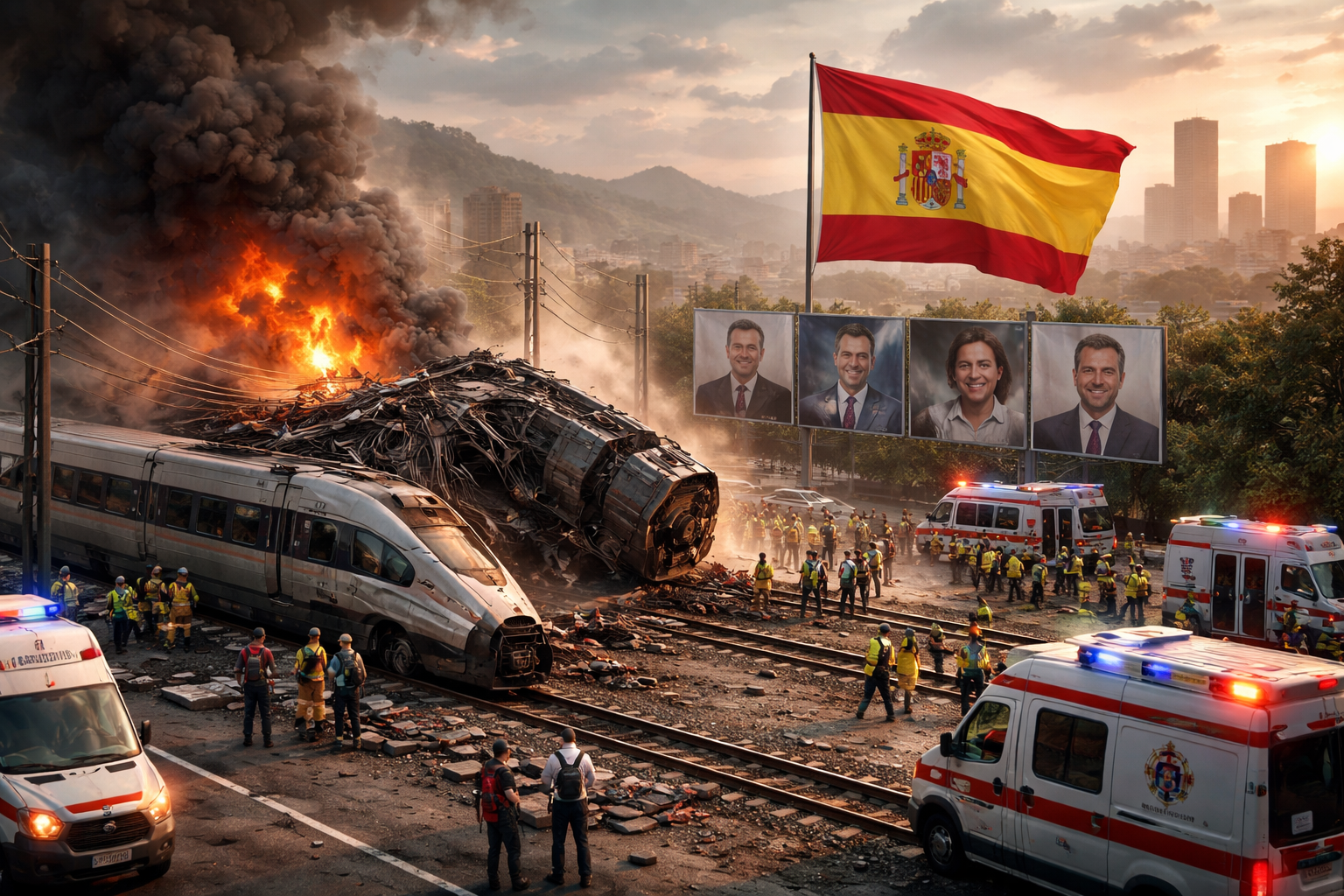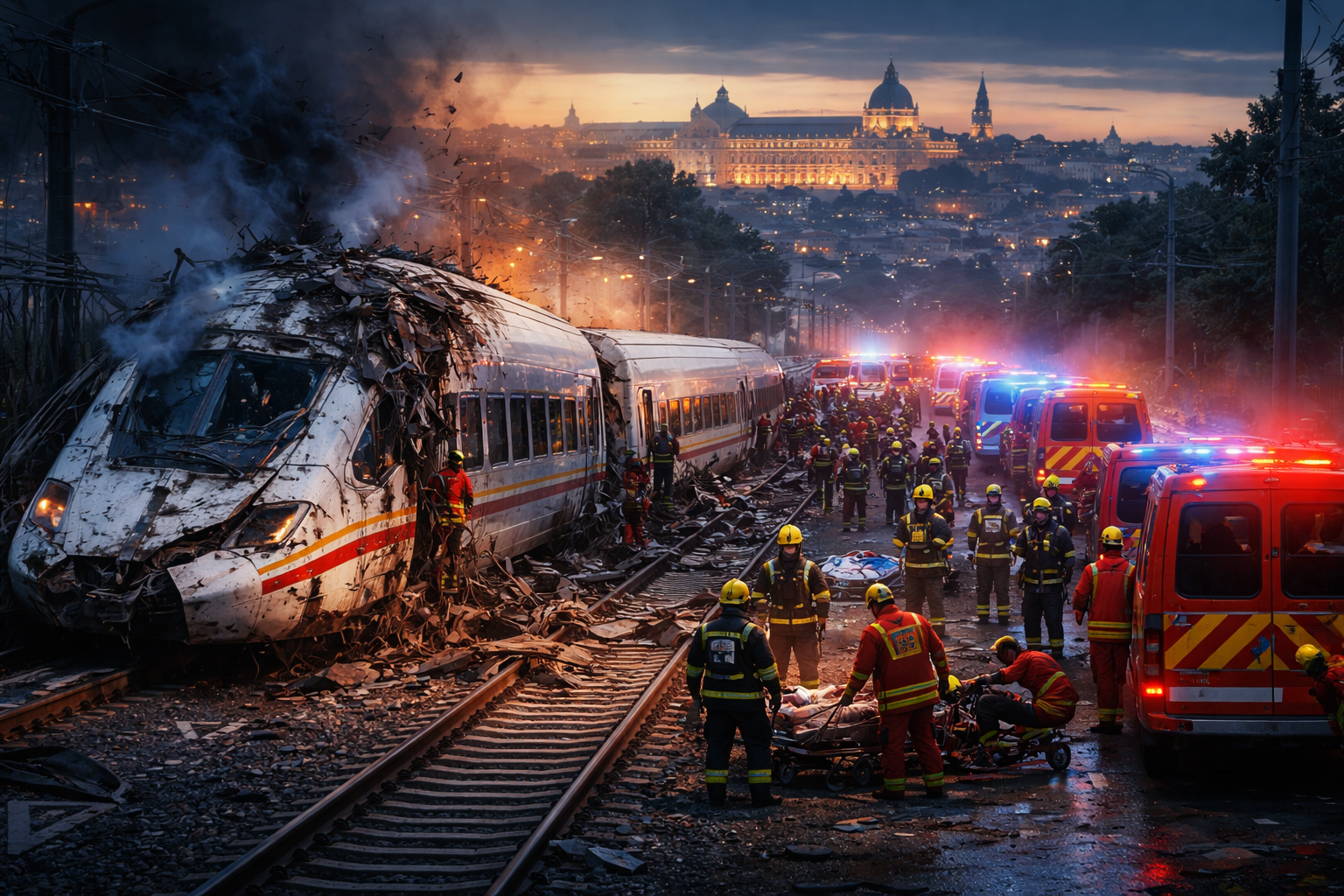
A tragic train collision in central Spain this week, resulting in at least 69 recovered bodies, has shaken public confidence in the country’s high-speed rail network and cast a shadow over the Socialist-led government of Pedro Sánchez just weeks ahead of a snap general election.
The crash, near Toledo on the high-speed line south of Madrid, follows a similarly deadly train accident just nine months ago near Córdoba that killed 46 people. With wreckage scattered along the tracks and down an embankment, officials are investigating the circumstances of this second devastating incident in a short span.
Government Response and Investigation
Spanish Transport Minister Óscar Puente quickly addressed the public, attributing the disaster primarily to human error rather than systemic failures. He highlighted that Spain’s high-speed signaling safety system, known as LZB, is used in other European countries like Germany and Austria and, while it has failed 170 times this year, these incidents fall within normal operational ranges for the EU.
Puente stressed that the critical problem occurred once the system failed, shifting control to manual operation. According to the minister, a series of errors led to one train being authorized to move at high speed despite the presence of another train stalled further ahead on the line. Audio recordings and control center screens in Madrid showed the impending collision, yet no stop order was given to the advancing train.
Despite calls from the opposition People’s Party demanding Puente’s resignation on moral and ethical grounds, the minister refused, asserting his duty to remain in office and improve safety measures going forward.
Political Fallout and Public Sentiment
This disaster compounds a string of crises facing Sánchez’s government, including corruption allegations involving his close relatives, a surge in migrants crossing from Morocco into the Spanish exclave of Ceuta, and public outrage following a widely shared video of a pensioner’s forced eviction. These issues had already weakened Sánchez’s position before the accident.
Polling data indicates a significant advantage for the center-right People’s Party, often in coalition with the far-right Vox party, appearing poised to win the upcoming election. Political analysts highlight that the train crash has shifted public mood further toward dissatisfaction, eroding trust in both the rail system and government institutions.
Locals in Toledo expressed fear and anger. One commuter remarked that the accident would alter voting behavior, suggesting a swing from left-wing to right-wing preferences due to accumulated frustrations with recent events.
Broader Implications
The high-speed train disaster underscores challenges in Spain’s transportation infrastructure and governance. It has led to heightened tensions and protests, with far-right groups organizing small demonstrations in Madrid and authorities preparing for potential clashes. The dual tragedies on Spain’s rails have not only inflicted personal loss but also contributed to a broader sense of political instability and public disillusionment just weeks before a critical vote.