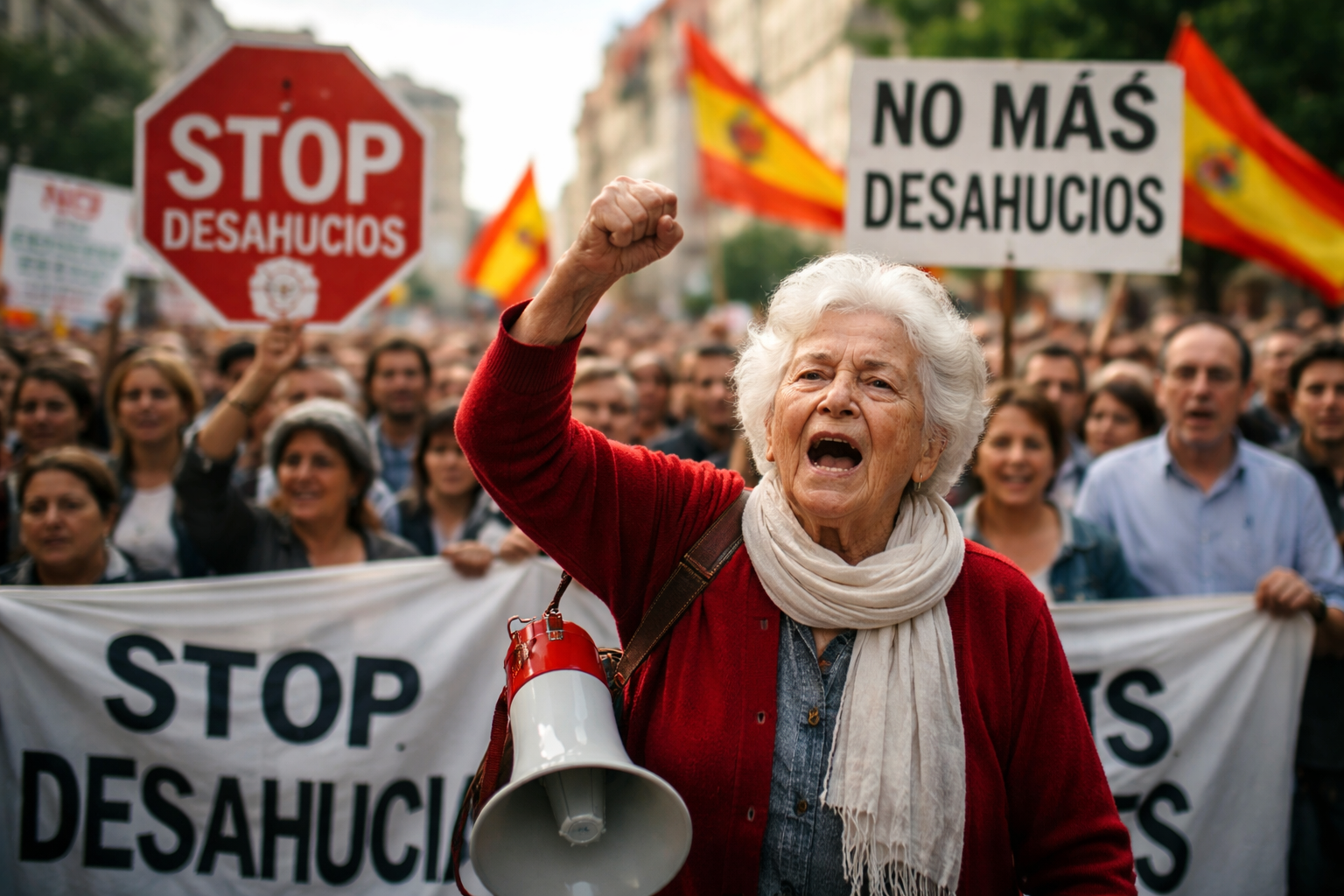


Spain’s housing crisis has taken center stage following the death of María del Carmen Abascal, an 87-year-old woman who was evicted from her longtime Madrid home just two weeks before she passed away. Her death has intensified public scrutiny of the country’s mounting housing challenges as a snap general election looms at the end of November.
Abascal’s eviction and subsequent death galvanized protests in Madrid and spurred the socialist-led government to introduce a set of emergency housing measures. These efforts aim to ease access to housing, protect tenants from eviction, and curb speculative real estate practices. However, right-wing and far-right parties blocked these proposals in Congress, prompting Prime Minister Pedro Sánchez to call early elections.
Emergency Measures Amid Rising Public Concern
According to Spain’s state center for sociological research, a significant majority of Spaniards support government intervention in housing. Over 76% favor state action to guarantee housing access, and nearly 79% believe housing deserves constitutional priority. In response, Sánchez’s government reworked their emergency decrees after last week’s defeat, proposing 21 key measures such as expanding protections for vulnerable tenants, easing rental procedures, banning speculative purchases, and offering tax breaks to responsible landlords and tenants.
The prime minister described these initiatives as essential acts of humanity and common sense, designed to assist small property owners and tenants while targeting speculative property investors. These policies follow his earlier promise to construct 184,000 affordable public rental homes and introduce rent price caps in critical areas.
Political Opposition and Election Dynamics
Opposition leader Alberto Núñez Feijóo of the conservative People’s Party criticized Sánchez’s late focus on housing, calling it the government’s “big failure,” yet promising his party will prioritize the issue if elected. The People’s Party, leading in polls, champions a strategy of building 200,000 homes annually, reducing taxes, and cutting bureaucratic obstacles. However, their alliance with far-right and separatist parties to block the government’s emergency measures has raised questions about their commitment to addressing the housing crisis.
Feijóo also called for respect in the wake of Abascal’s death, warning against political exploitation of the tragedy. Despite this, his campaign launch in Ceuta—a region recently impacted by a mass border crossing crisis—shifted focus away from housing to security concerns.
Far-Right Response and Continued Political Tensions
The far-right Vox party has accused Sánchez’s government of exploiting the elderly woman’s suffering to obscure its housing policy failures. Vox also linked Sánchez to other national tragedies, including deadly floods and power outages, as part of their broader criticism.
As union groups prepare a general strike over housing on November 11, just days before the election, Sánchez’s government hopes renewed legislative efforts and public support will demonstrate its dedication to resolving Spain’s housing challenges.