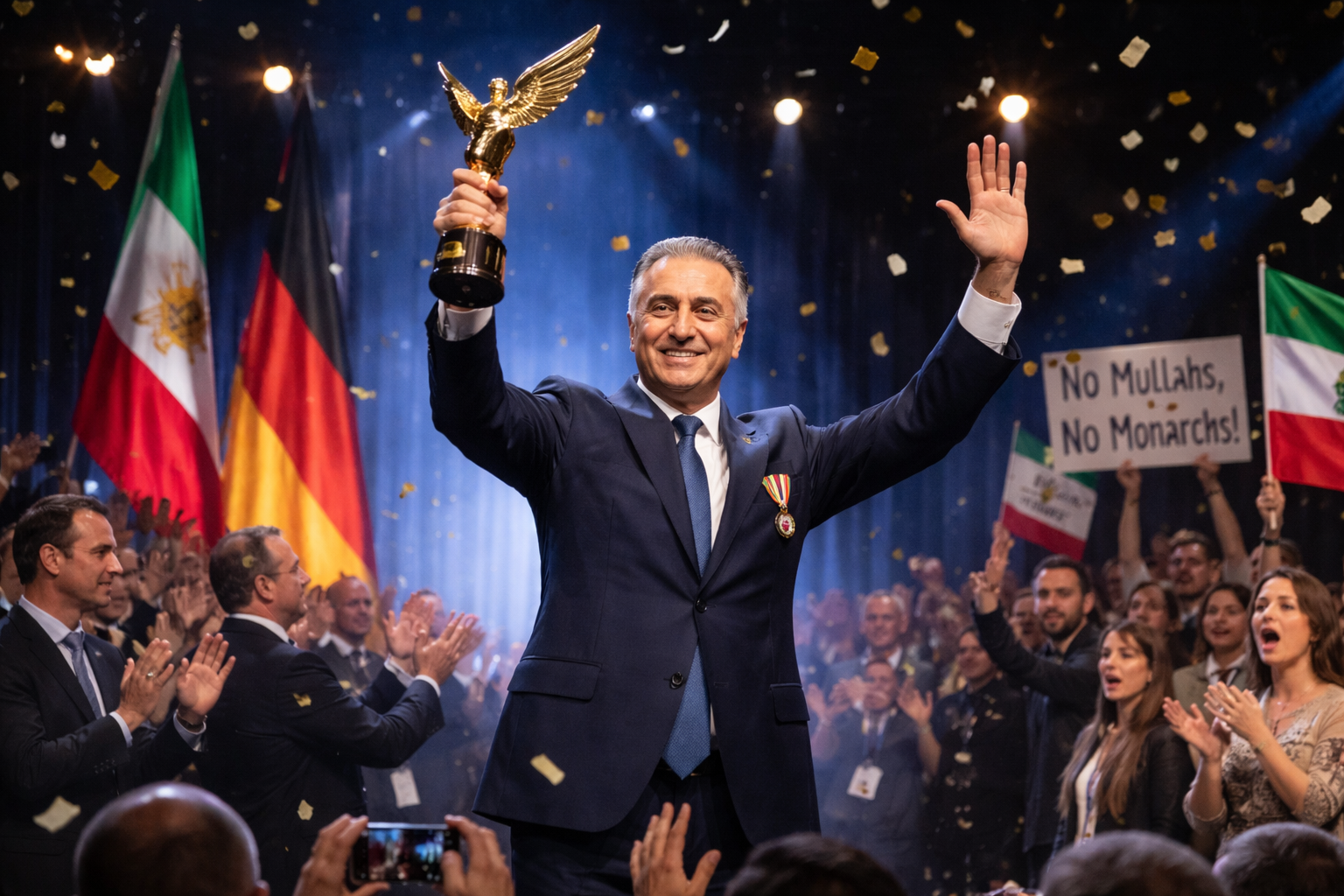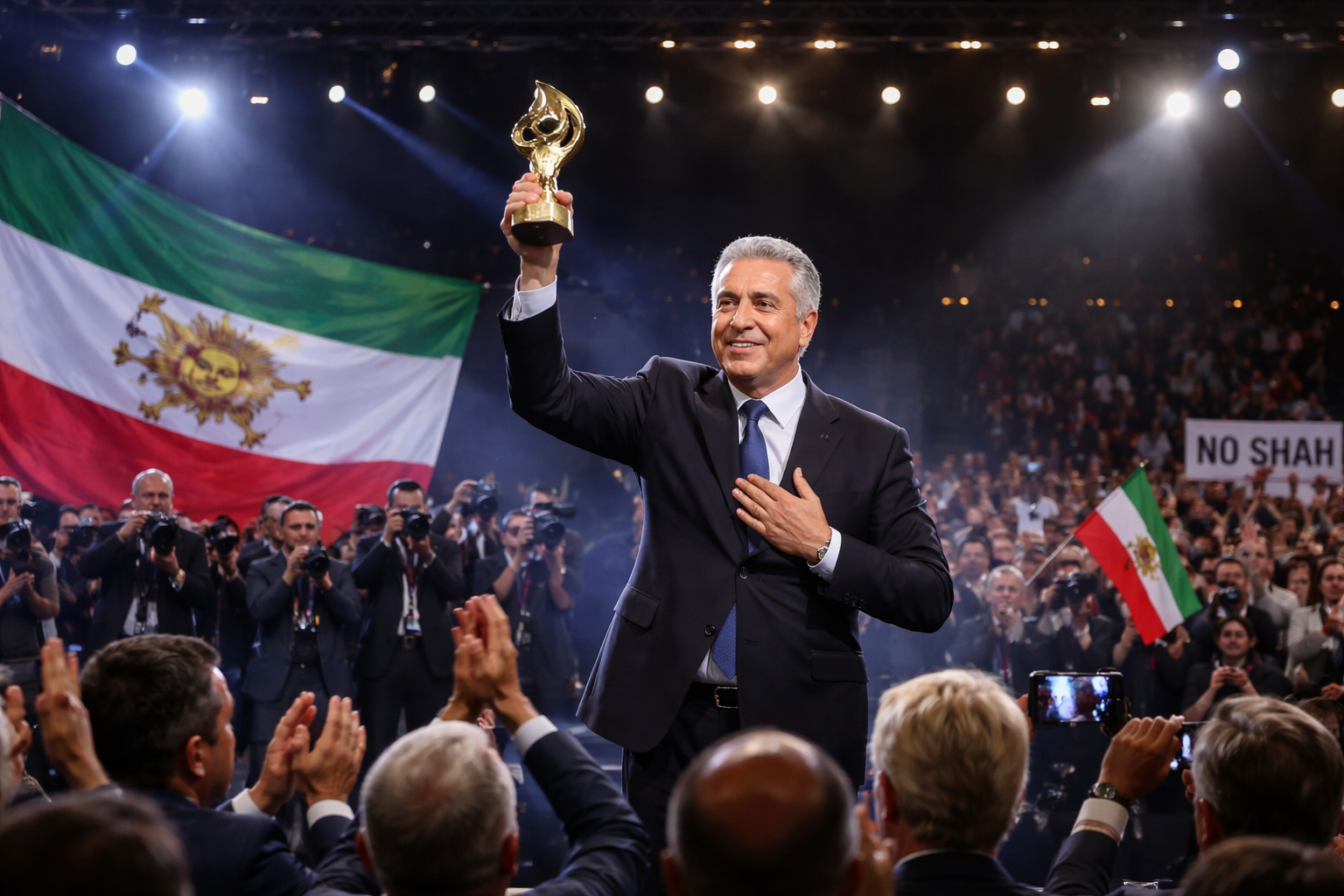
Reza Pahlavi, son of Iran’s last shah Mohammed Reza Pahlavi, was awarded the “Freedom Prize” in Frankfurt, Germany, on Saturday. The event drew about 18,000 supporters, according to police reports, and was hosted at St Paul’s Church, the historic site of Germany’s first elected parliament.
The Friedrich Naumann Foundation, affiliated with the Free Democratic Party, presented the prize to Pahlavi, recognizing his stance on democracy amid Iran’s ongoing political challenges. Pahlavi emphasized that Iran is a nation suppressed from practicing democracy rather than one needing to be taught it.
Pahlavi’s Remarks and Vision
During his acceptance speech, Pahlavi highlighted the willingness of the Iranian people to fight and die for their right to vote amid recent government crackdowns on protests. He described himself as a temporary caretaker of the prize, vowing to one day return it to Iran’s democratically elected government in Tehran.
Supporters chanted slogans praising both Pahlavi and Iran, reflecting his symbolic role in part of the anti-government protest movement. He has also indicated openness to leading a transitional government if democratic change occurs, without seeking to restore the monarchy, leaving that decision for future referendum.
Criticism from Within the Iranian Community
Despite support, Pahlavi’s recognition generated criticism from various Iranian groups. About 200 prisoners in Iran condemned the award, calling Pahlavi a symbol of a former dictatorship, according to Sahar Sanaie, spokeswoman for the Society for German-Iranians in Hesse.
Local political parties also voiced dissent. The Social Democrats and Greens in Frankfurt boycotted the ceremony, questioning Pahlavi’s legitimacy as a representative of the Iranian people. Additionally, the socialist Left Party objected to the use of the church for a political event, citing municipal regulations against political gatherings in religious venues.
Historical and Political Context
Pahlavi’s father was ousted in Iran’s 1979 revolution, which led to the establishment of the Islamic Republic ruled by Shiite clergy. Pahlavi’s role remains contentious among Iranians, especially given his perceived ties to his father’s autocratic regime and support for Israel.
The award ceremony underscored ongoing divisions within the Iranian diaspora and the complexities of opposition politics in exile.