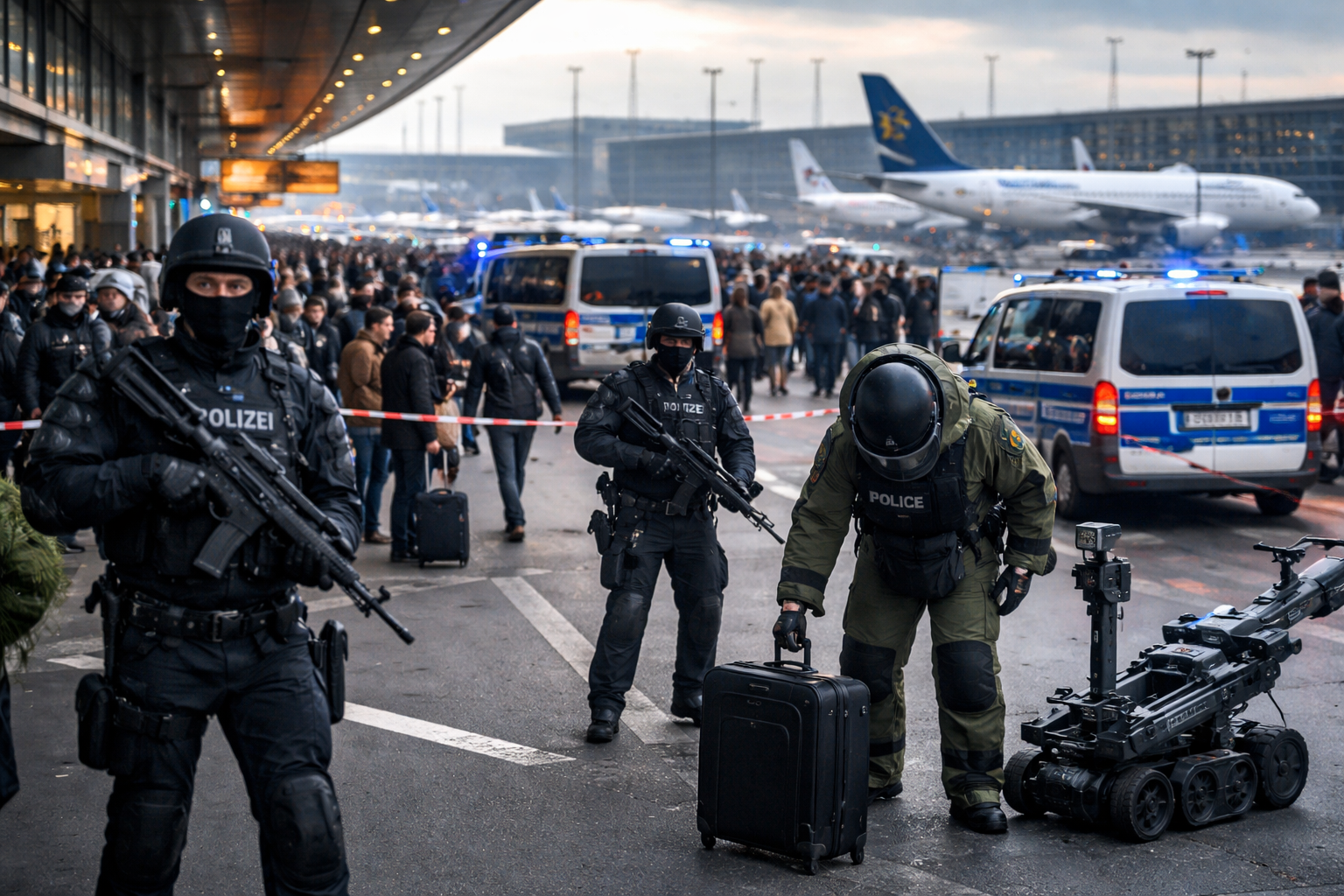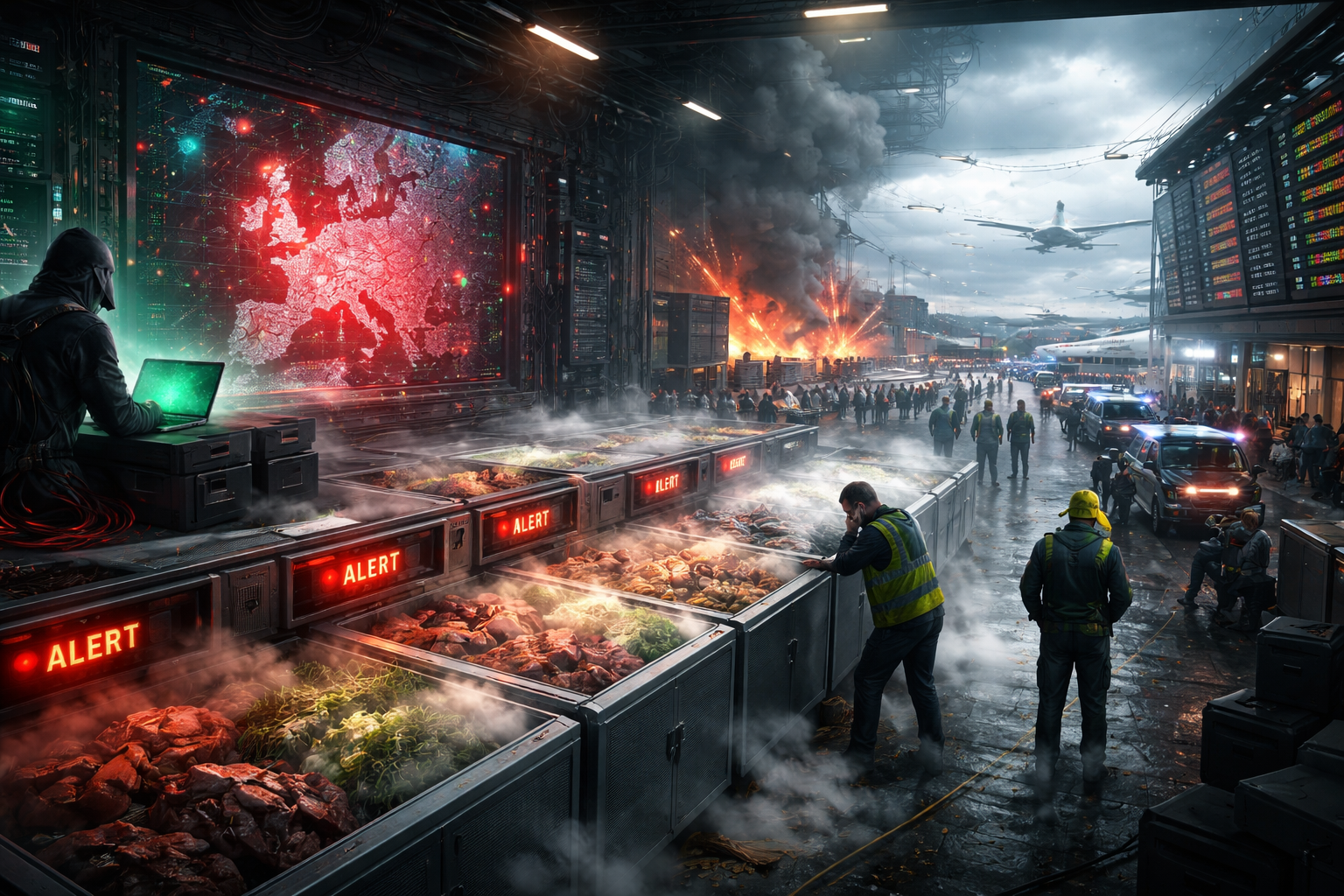
Across Europe, digitally connected supermarket freezers unexpectedly warmed to dangerous levels, ruining millions of euros’ worth of food. At the same time, false bomb threats forced commercial airliners to divert, make emergency landings, or require fighter jet escorts. These events highlight an alarming rise in cyberattacks and hybrid warfare tactics targeting civilian infrastructure.
From Finland to Ireland, multiple supermarket freezers breached freezing temperatures, some reaching as high as 50 degrees Celsius. Although no group has been definitively identified, Russian hacktivists claimed involvement in some sabotage, while other suspects include Iran, North Korea, or unaffiliated hackers. These attacks expose vulnerabilities in the growing array of digitally managed devices that enhance efficiency but increase risks of cyber interference.
Expanded Hybrid Threats Challenge European Security
The incidents coincide with ongoing concerns about greyzone aggression—hostile acts that fall short of full military conflict. In recent years, Europe has experienced Kremlin-suspected arson, drone incursions at airports, GPS disruptions over the Baltic Sea, and damage to subsea cables and pipelines. Cyberattacks on French blood bank refrigerators and the airline bomb hoaxes further demonstrate the diverse tactics adversaries use to disrupt and destabilize society.
Response and Preparedness Efforts
These events come as the United Kingdom recently launched the “Be Ready” campaign to educate citizens on preparing for emergencies, including climate change impacts and terrorism. Despite initial government fears of public skepticism, demand for emergency supplies like radios and power banks surged immediately after the campaign’s launch. This response challenges earlier assumptions that the public would react with cynicism or panic.
The Urgency of Building Resilience
The combined effect of cyberattacks and physical disruptions reveals the fragility of critical infrastructure, especially regarding food supply chains reliant on global shipping and digital connectivity. For instance, disruptions in the Strait of Hormuz have already led to inflation and shortages impacting energy and fertilizer supplies. Experts warn that future incidents could threaten internet connectivity if subsea data cables are sabotaged.
These recent attacks serve as a stark warning: hoping for safety is insufficient. Robust preparation, public awareness, and resilient systems are essential to counter ongoing threats from hostile actors seeking to cause disruption and fear. Demonstrating collective strength during crises can also send a message that such interference is unwelcome and ultimately ineffective.