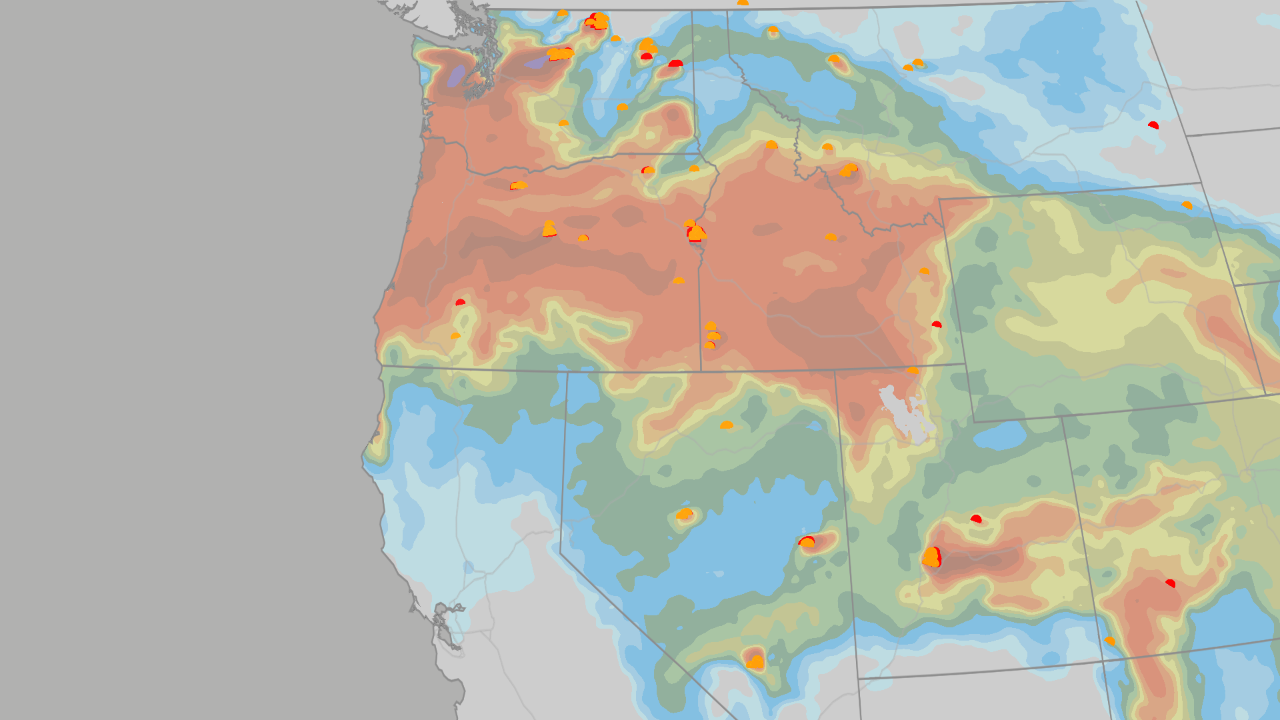
A pattern change is set to shift wildfire smoke once again across the Pacific Northwest after days of poorer air quality in Seattle. Breezier conditions could spread new fires by this weekend.
Here’s where the fires are burning
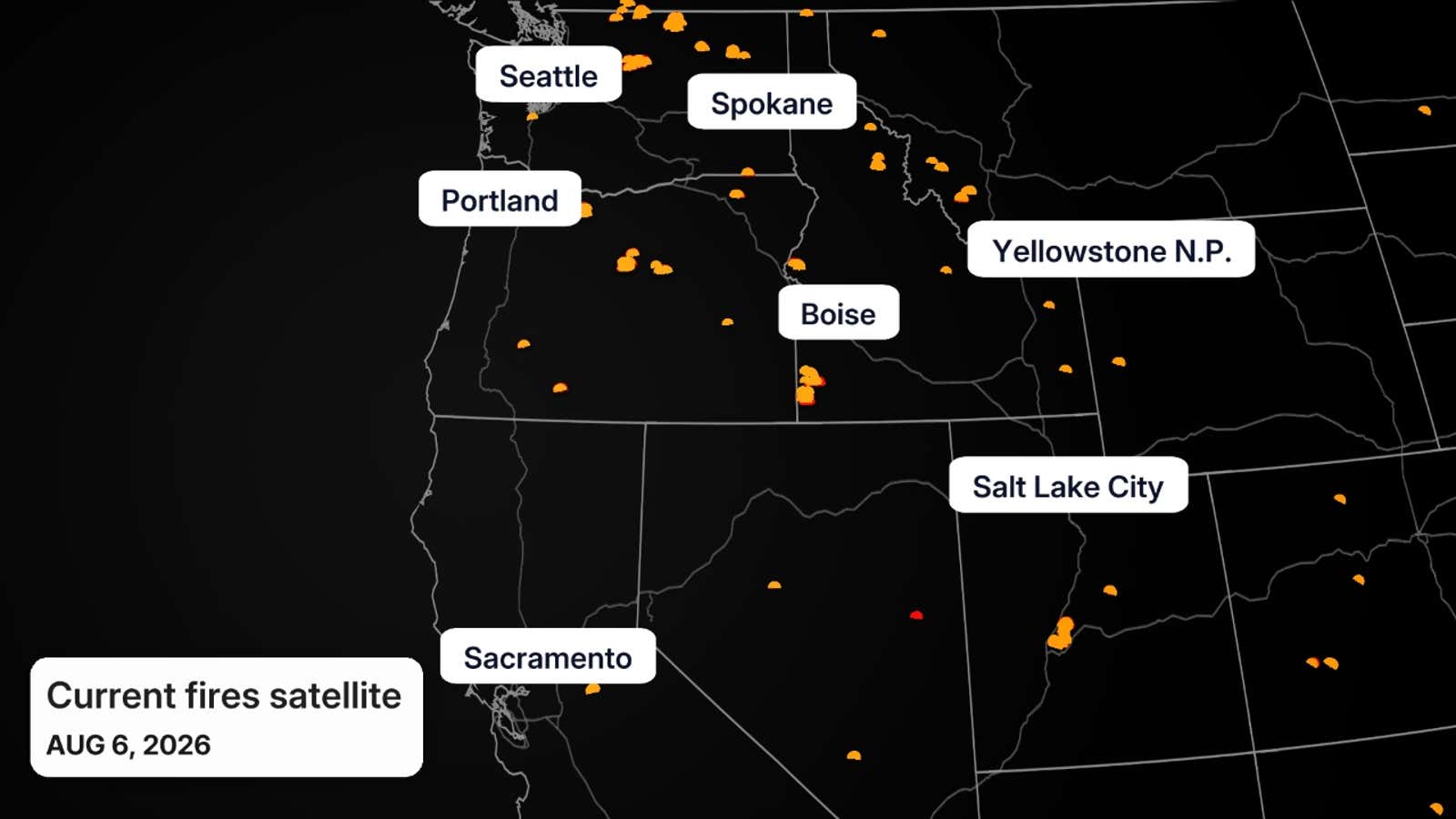
The most numerous large wildfires right now are burning in the eastern two-thirds of Oregon and Washington.
Three of those burning in the Spokane, Washington, metro area destroyed hundreds of homes and businesses. Thirty large fires are burning in central and eastern Oregon.
Other large fires are burning in Idaho, Montana and Utah, among other western states.
(MORE: The Weather Company Labs: active wildfires and fire weather tracker)
Where the smoke will go
A pattern change across the Northwest is expected on Thursday that will lead to less smoke for some but warming conditions and weather more conducive for additional fires.
Get More of Our News on Google
Set The Weather Company as a ‘Preferred Source’ to get quicker access to the news you value.

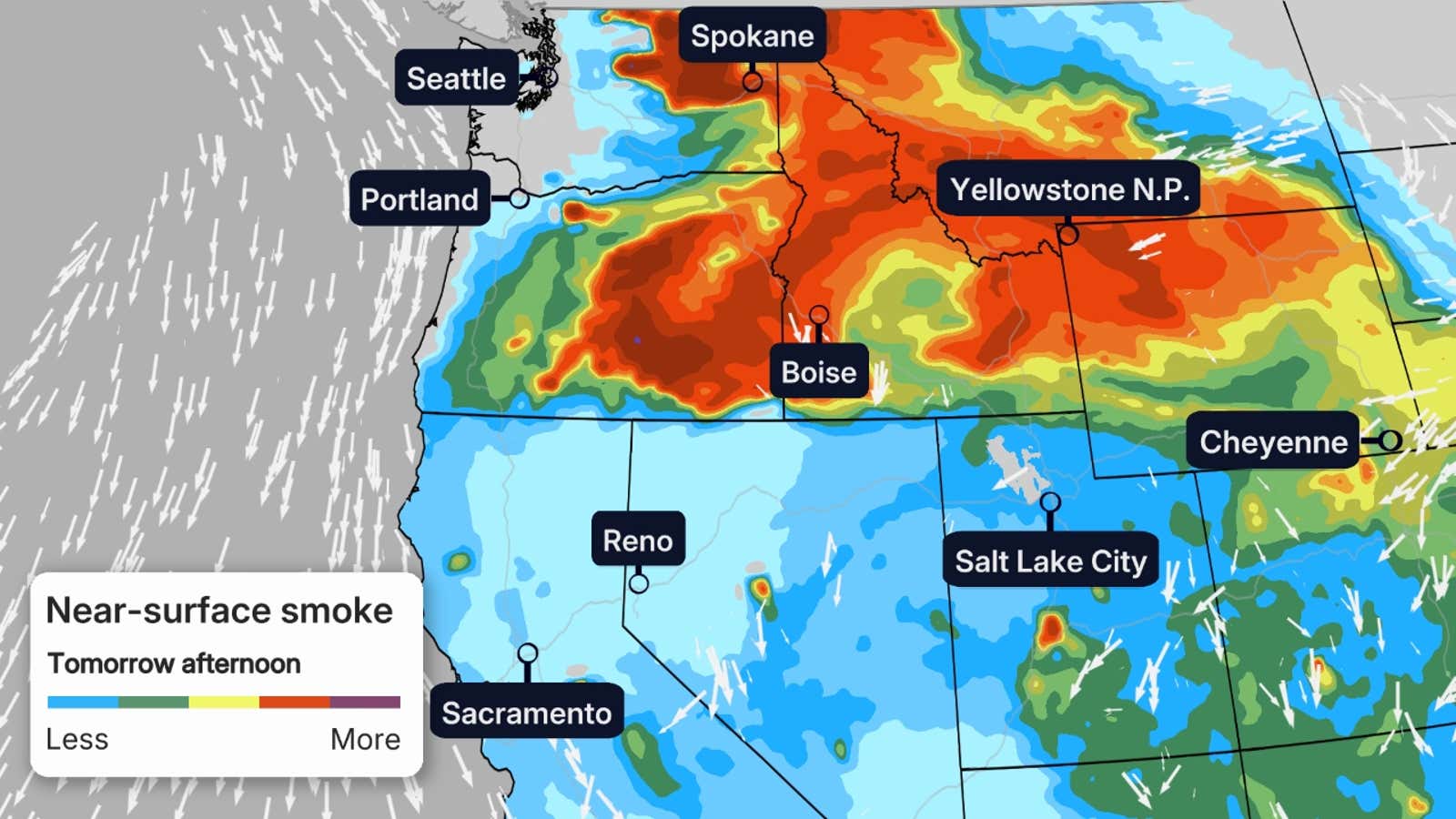
This smoke in western Washington and western Oregon will turn eastward on Thursday as the regular west-to-east winds return and the smoke layer thins out Thursday.
This smoke will spill across the Rockies late week. Not a great time to head to Yellowstone or Aspen.
Ground smoke will also continue in Boise and could flow as far south as Salt Lake City.
Gustier winds by this weekend could lead to fire growth and the start of a few new fires. Some gusts could exceed 30 mph in the lower elevations, likely peaking on Saturday.
(MORE: Fire suspect was questioned in 2 earlier blazes)
Some record heat, too?
As smoke moves eastward and high pressure moves in, temperatures will be on the increase from Interstate-5 eastward.
Daytime highs may approach 90 degrees in Seattle and will likely be in the mid-90s in Portland.
Those highs could flirt with daily record highs from Seattle to Eugene and Medford, Oregon.
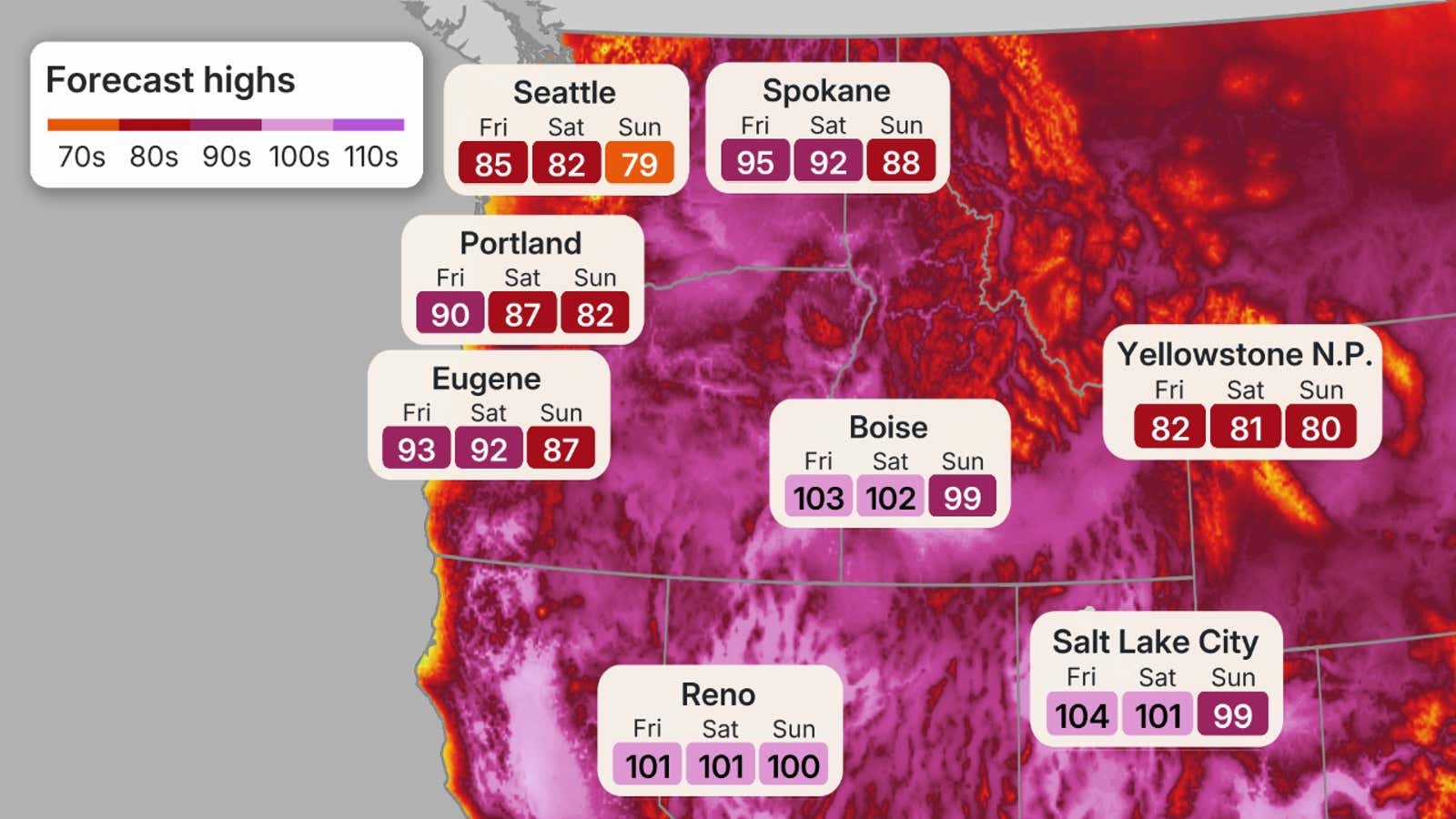
The same Pacific air that will push smoke inland over the West will also cool the Olympic Peninsula and much of the coast of Washington and Oregon into the 70s and 80s.
Is there any relief?
Summer is the Pacific Northwest’s dry season, so it’s hard to get the kind of soaking rain and mountain snow you’d see in, say, November.
There is a little better news in the forecast, however. It will gradually trend cooler in the Northwest by this weekend.
Next week, monsoon thunderstorms may extend well into the northern Rockies.
That’s a mixed blessing, though. While rain is sorely needed, even light rain over areas just burned could lead to dangerous flash flooding and muddy debris flows. And some areas may see only lightning and winds, not rain.
(MORE: This $65 DIY air filter builds in just 15 minutes)
What you need to know to stay safe
Wildfire smoke is hazardous to breathe for several reasons.
It contains microscopic particulate matter much smaller than the width of a human hair that can lodge deep into the lungs and then enter your bloodstream.
It can lead to short-term effects, such as coughing, shortness of breath, a scratchy throat, runny nose and burning eyes.
Prolonged exposure to dense smoke can increase the risk of chronic lung issues and increase inflammation that could lead to heart attacks and strokes.
(MORE: What’s really in wildfire smoke?)
Check your air quality forecast before heading outside.
You can do that on The Weather Channel app by going to your local forecast, then tapping the “Breathing” button. Or, from your local forecast page on weather.com, click on the “Air Quality” button at the top.
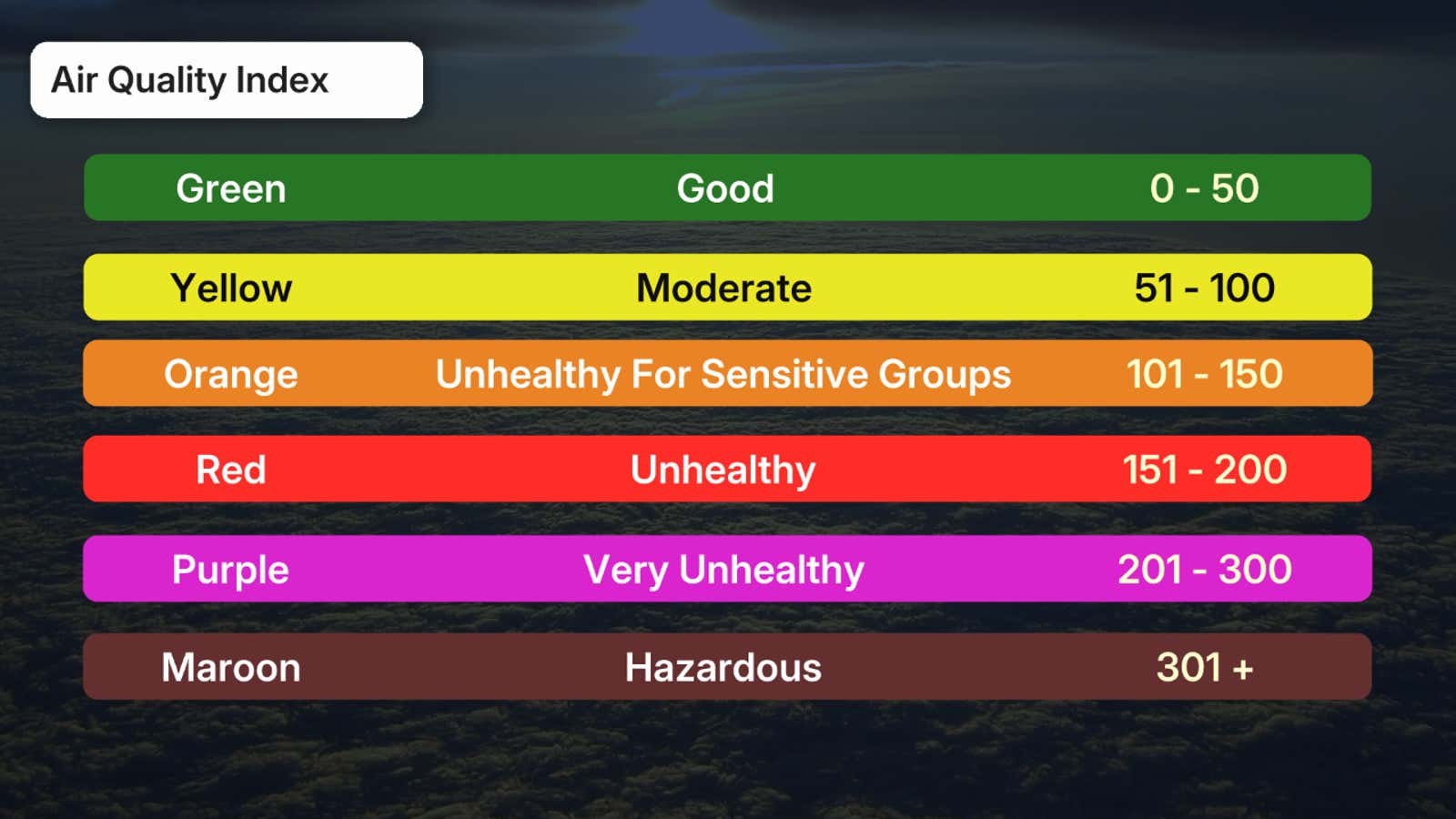
The index is color-coded from green (good) to maroon (hazardous).
If your air quality forecast is:
- At least code orange: More sensitive groups such as those with respiratory or heart conditions, the elderly, children and those pregnant should avoid staying outside more than necessary.
- Code red, purple or maroon: Everyone should limit their time outdoors. Consider exercising indoors and if you need to walk your pet outside, do so as briefly as possible.
(MORE: Wildfire smoke myths)
Jonathan Erdman is a senior meteorologist at weather.com and has been covering national and international weather since 1996. Extreme and bizarre weather are his favorite topics. Reach out to him on Bluesky, X (formerly Twitter) and Facebook.