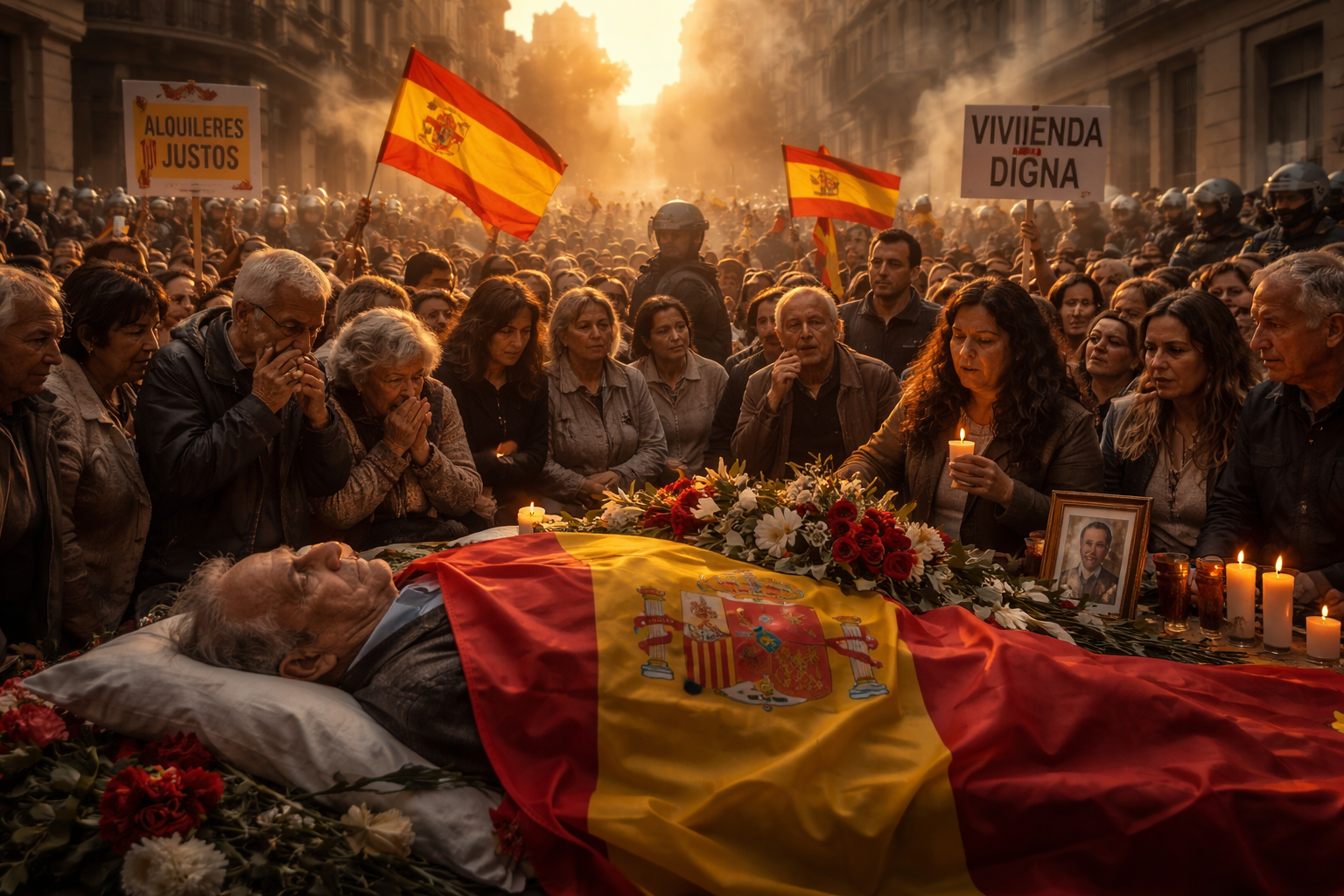

María del Carmen Abascal, whose forced eviction from her longtime Madrid apartment ignited a nationwide movement against Spain’s housing crisis, has died at 87. Her removal by police, which involved tear gas and saw her carried out on a stretcher, became a vivid symbol of the country’s struggle with rising rents and unaffordable housing.
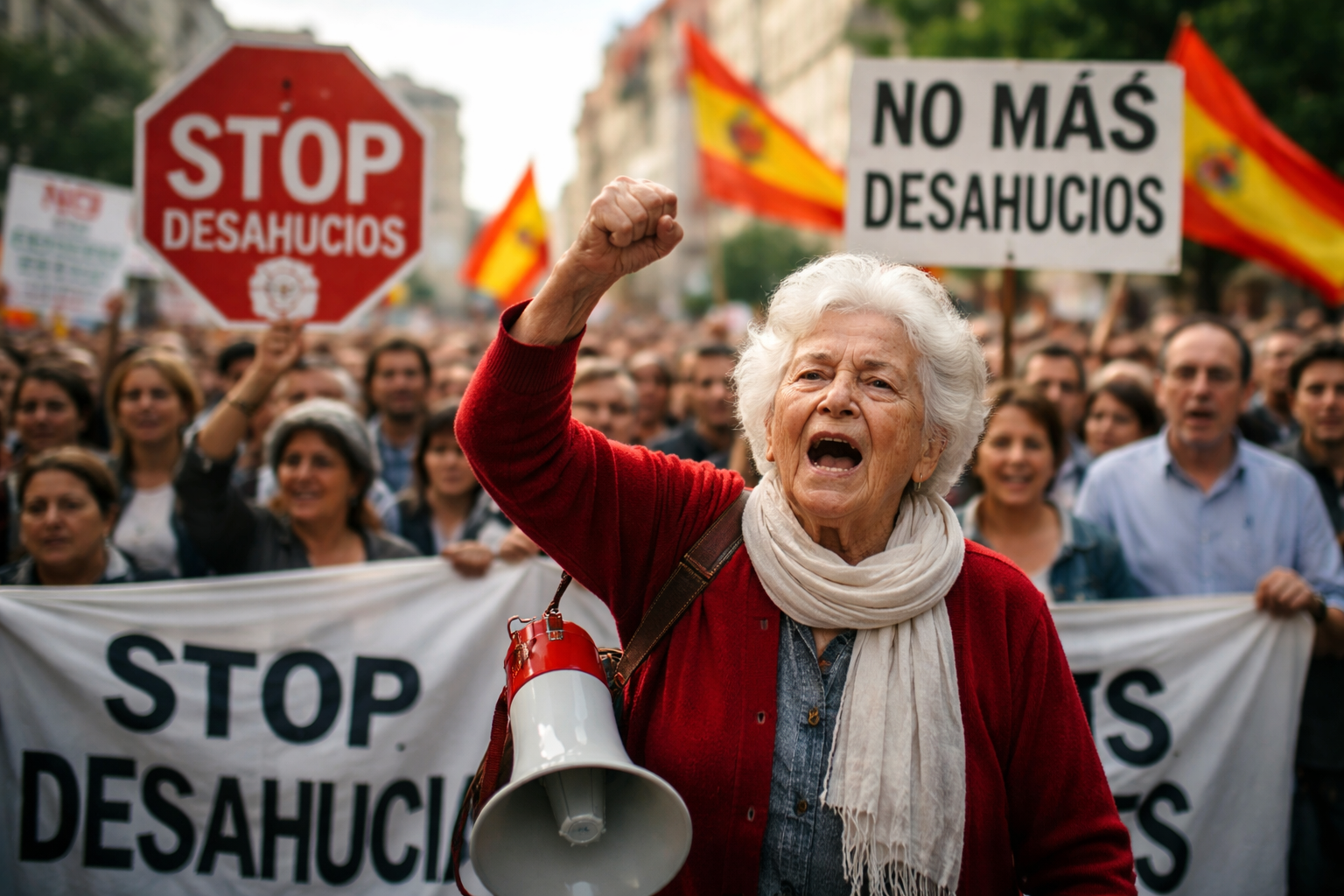
Abascal had lived in the Madrid apartment for more than seven decades before an investment firm bought the property and attempted to increase her rent by 230%. The eviction unfolded amid intense public scrutiny and sparked protests across Spain, with around 10,000 demonstrators gathering in Madrid shortly after the incident, holding signs declaring “Shame” and “We’re all Maricarmen.” Demonstrations also erupted across the country as rents surged 80% in ten years and home prices rose 63%.
Activism and Political Fallout
From her hospital bed, where she was treated for severe exhaustion, Abascal encouraged supporters of the emerging housing movement, saying she wished she could join them in person and urged courage to defend one’s rights. The investment firm later allowed her to return to the apartment, but the concession did little to quell public anger.
The political impact of the protests was swift. Two emergency housing decrees proposed by the government to address the crisis were rejected in parliament by right-wing and far-right parties, prompting the head of government, Pedro Sánchez, to call a snap general election. Abascal’s death came shortly before she was due to sign a new lease with the firm that had evicted her, a fact noted by the Madrid tenants’ union, which described the ordeal as “completely preventable”.
Official Reactions
Pedro Sánchez expressed condolences to Abascal’s family and to all those affected by her loss. Spain’s health minister highlighted how Abascal’s situation heightened awareness nationwide, calling her dignity and courage an example for others. Political figures reacted differently: Podemos parliamentarian Irene Montero characterized the event as an act of “murder” reflecting deep anger over housing injustice, while conservative People’s Party leader Alberto Núñez Feijóo urged respect and called for depoliticizing the tragedy.
Legislative Measures Following the Crisis
Following the controversy, Sánchez’s cabinet approved new housing decrees intended to uphold the spirit of earlier rejected measures. These 21 proposals include easier processes for renting or buying homes, extended eviction protections for vulnerable tenants, regulations on short-term rentals, taxes on seasonal leasing, restrictions on speculative property purchases, and tax incentives for timely rent payments.
With the parliament dissolved ahead of the snap election, the decrees will be considered by a permanent congressional council, where Sánchez is expected to secure sufficient support for their approval.
Legacy in Madrid and Beyond
In Madrid, where protesters had established a large encampment advocating for housing rights, Abascal’s death was marked by a moment of silence followed by a march to the national parliament, with chants affirming her enduring impact on Spain’s housing movement. Her eviction and subsequent passing have become a defining moment in Spain’s ongoing struggle over housing affordability, symbolizing both the human cost of the crisis and calls for urgent reform.