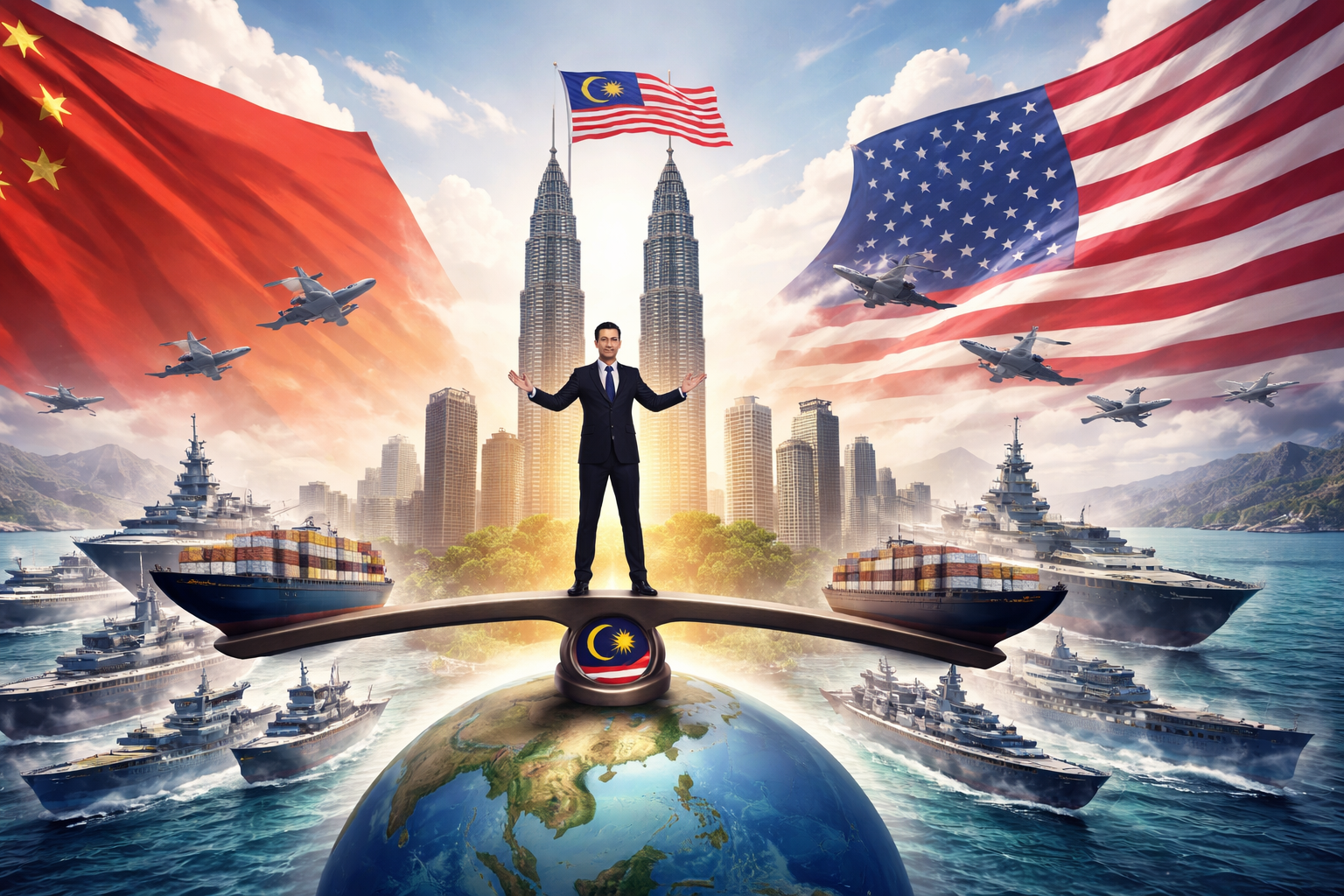

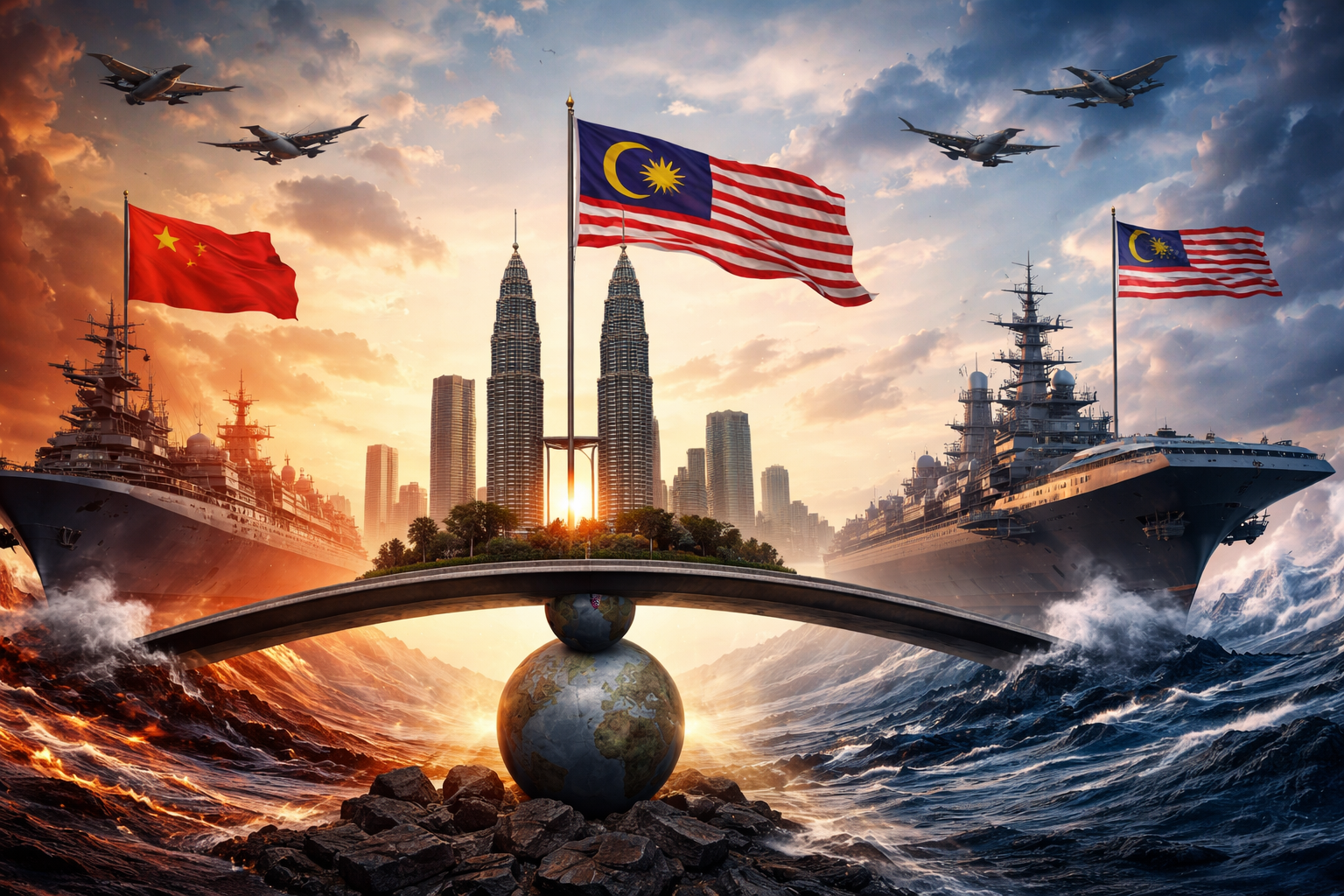
Malaysia continues to navigate a complex path between maintaining ties with the United States and strengthening relations with China, but recent statements by its leader have raised questions about the durability of this balancing act. According to reports from Al Jazeera and local analyses, the Malaysian leader emphasized a view aligning with China’s stance on Taiwan while also highlighting security concerns linked to US military activities in the region.
The comments come amid Beijing’s growing influence and expanded US military cooperation with the Philippines, prompting Kuala Lumpur to reconsider its regional defense posture. Experts suggest Malaysia aims to preserve good relations with both powers despite narrowing room for ambiguity.
Controversial Comments on Taiwan
The Malaysian leader publicly described Taiwan as part of China, echoing Beijing’s longstanding position. More notably, he did not rule out the use of force in the event of secessionist moves, a viewpoint that Beijing welcomed but which raised alarm in Taipei. Taiwan’s foreign ministry criticized the remarks as validating potential Chinese military action and warned they might undermine Taiwanese business confidence, particularly in Malaysia’s semiconductor industry.
Concerns Over US Military Presence Near Malaysia
Two days after discussing Taiwan, the leader called for enhancing Malaysia’s defenses in Sabah due to the expansion of US-backed military facilities on the nearby Philippine island of Balabac. This location lies about 31 miles from key Malaysian islands, and is part of an agreement allowing US forces access and infrastructure development. Analysts note this reflects territorial tensions between Malaysia and the Philippines, over which Malaysia rejects Manila’s claims to Sabah.
Malaysia’s Ongoing Diplomatic Balancing
Despite rhetoric perceived as accommodating to Beijing, Malaysia remains committed to its traditional approach of maintaining strong ties with the US and other Western countries. Specialists stress that Malaysia’s public warmth toward China does not necessarily indicate a strategic realignment. The country continues to reject Chinese maritime claims conflicting with its own in the South China Sea and asserts its right to resource exploration in those waters despite Beijing’s opposition.
Experts highlight that Malaysia’s ability to hedge between the two powers depends on both remaining valuable partners. China seeks friendly trade neighbors, while the US benefits from Malaysia’s semiconductor manufacturing.
Domestic and Strategic Pressures
The Malaysian leader also faces internal political challenges following electoral setbacks. This domestic turbulence, combined with increased regional tensions between the US and China, constrains Malaysia’s diplomatic flexibility. Ahead of an upcoming visit to China, Malaysia aims to deepen economic ties while preserving its security interests and relationships with Western nations.